with NAM
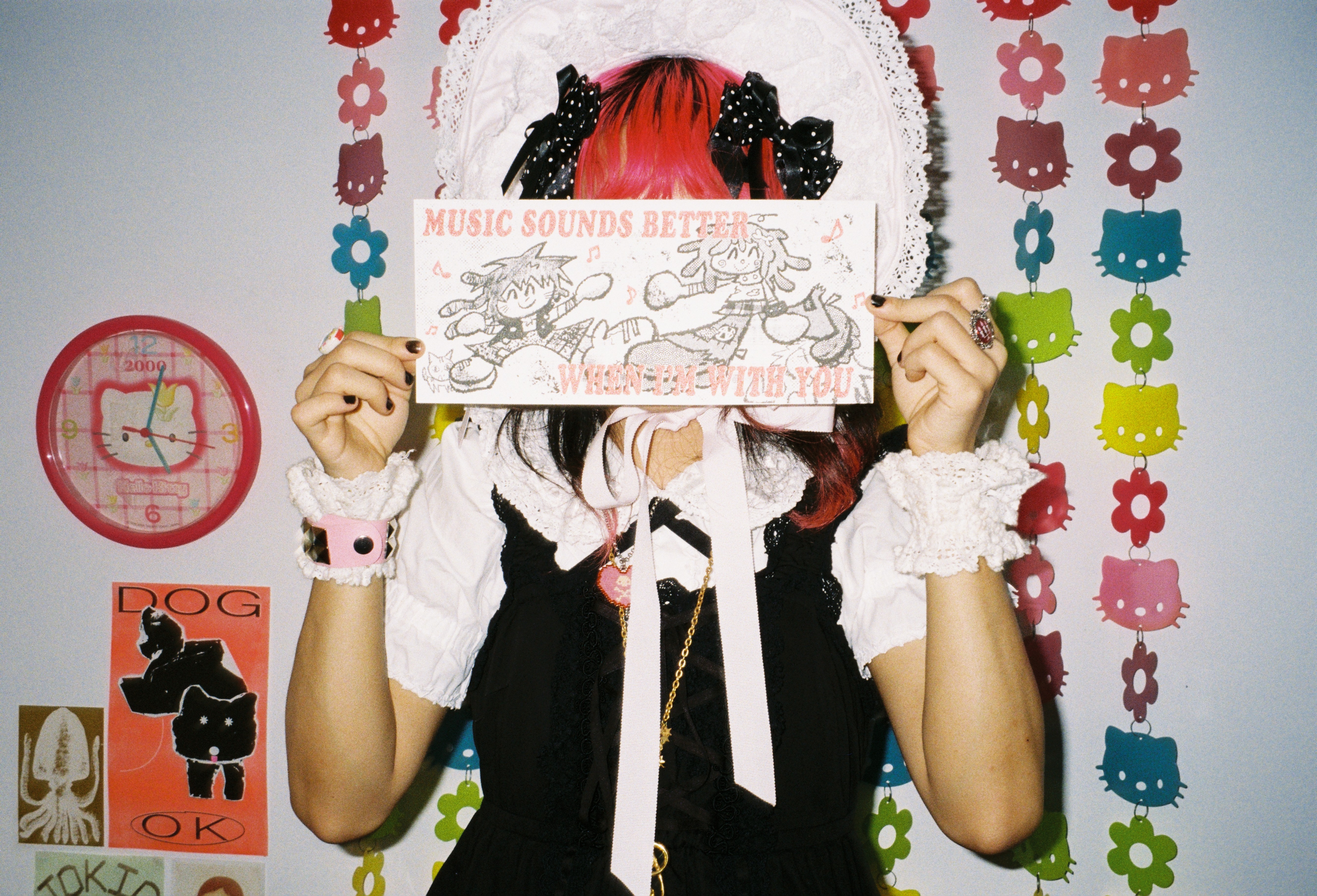
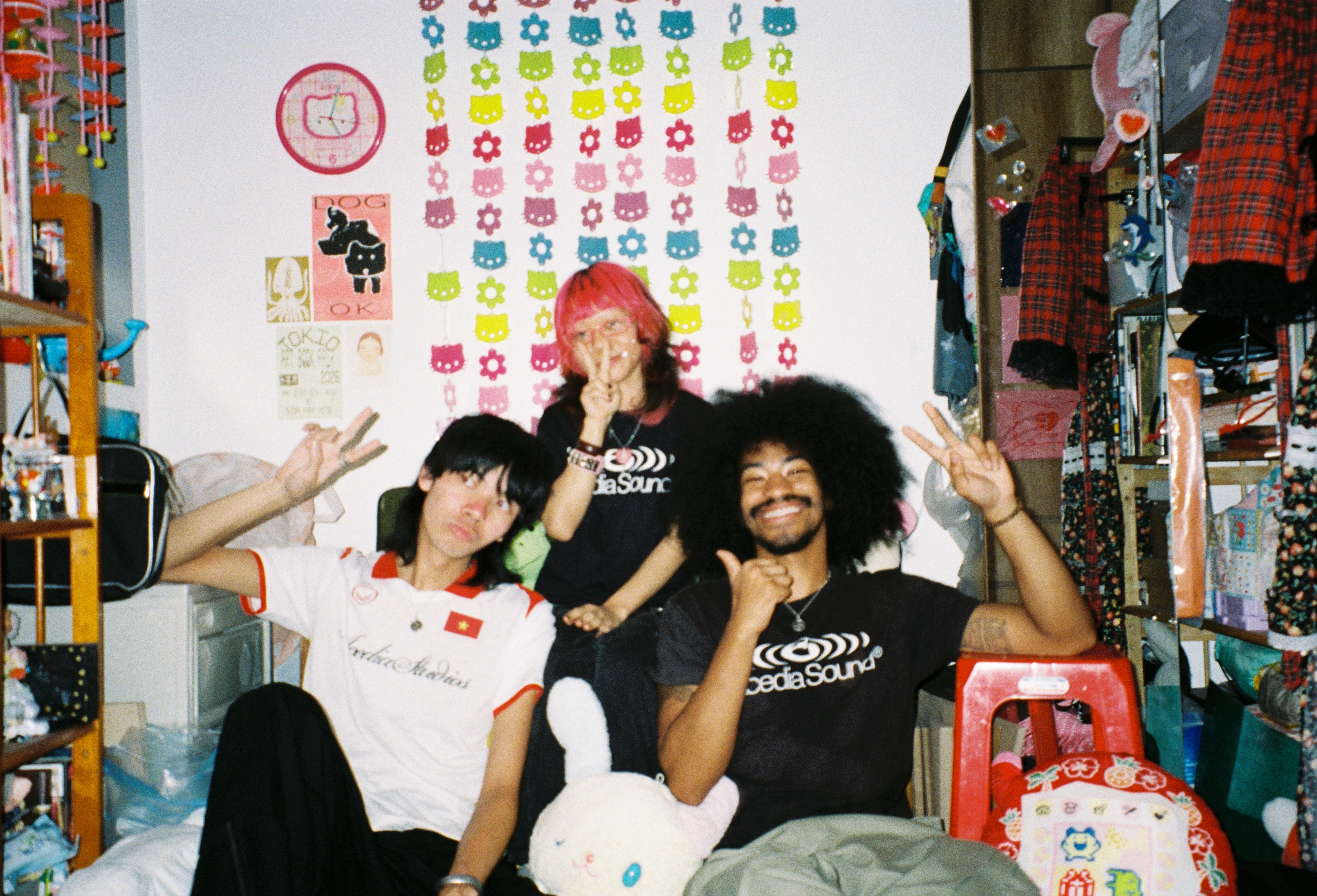
My name is Chris, and today we're doing a very special Acedia spotlight. It is our third week in Vietnam, and we have a very special guest with us.
WHO ARE YOU?
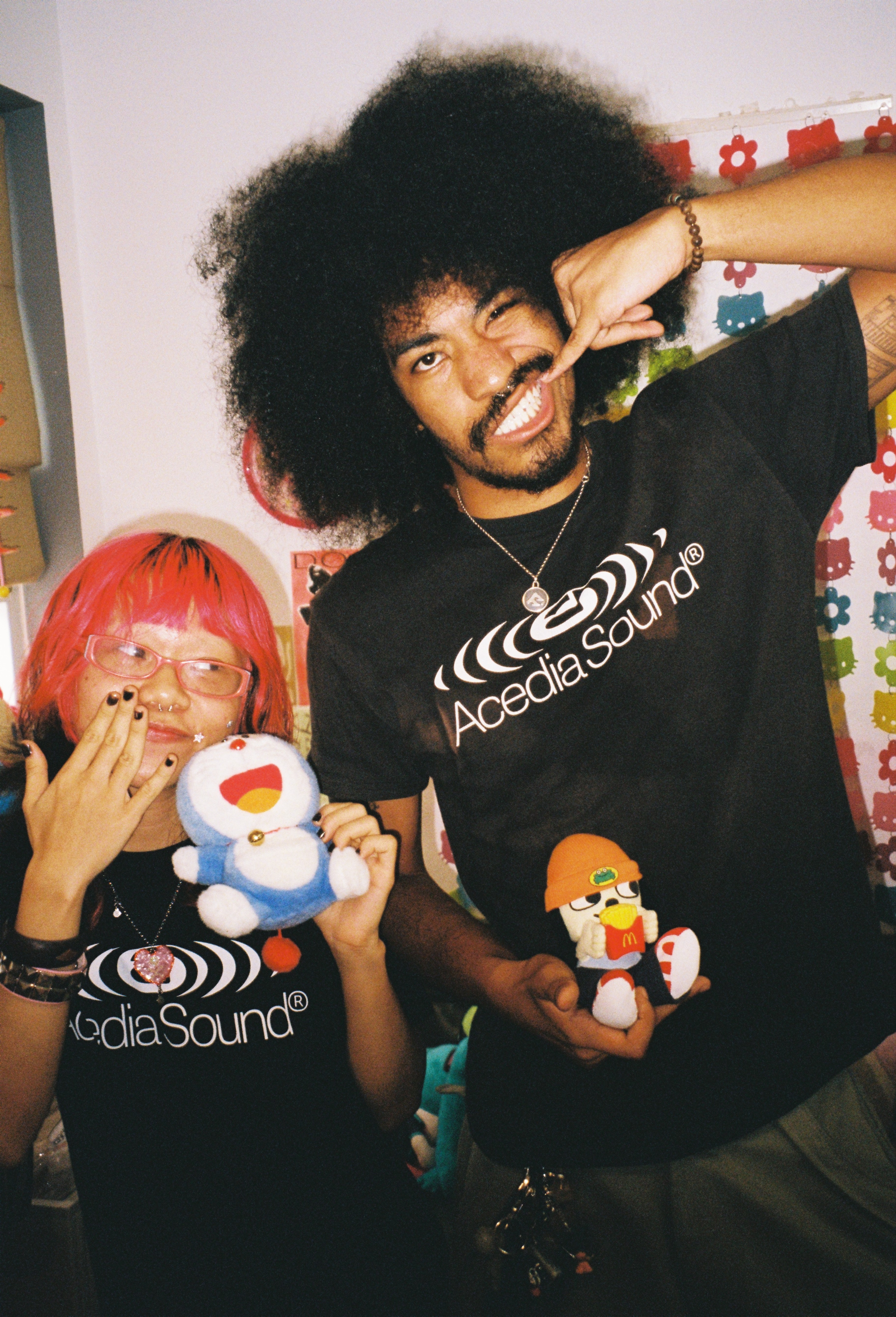
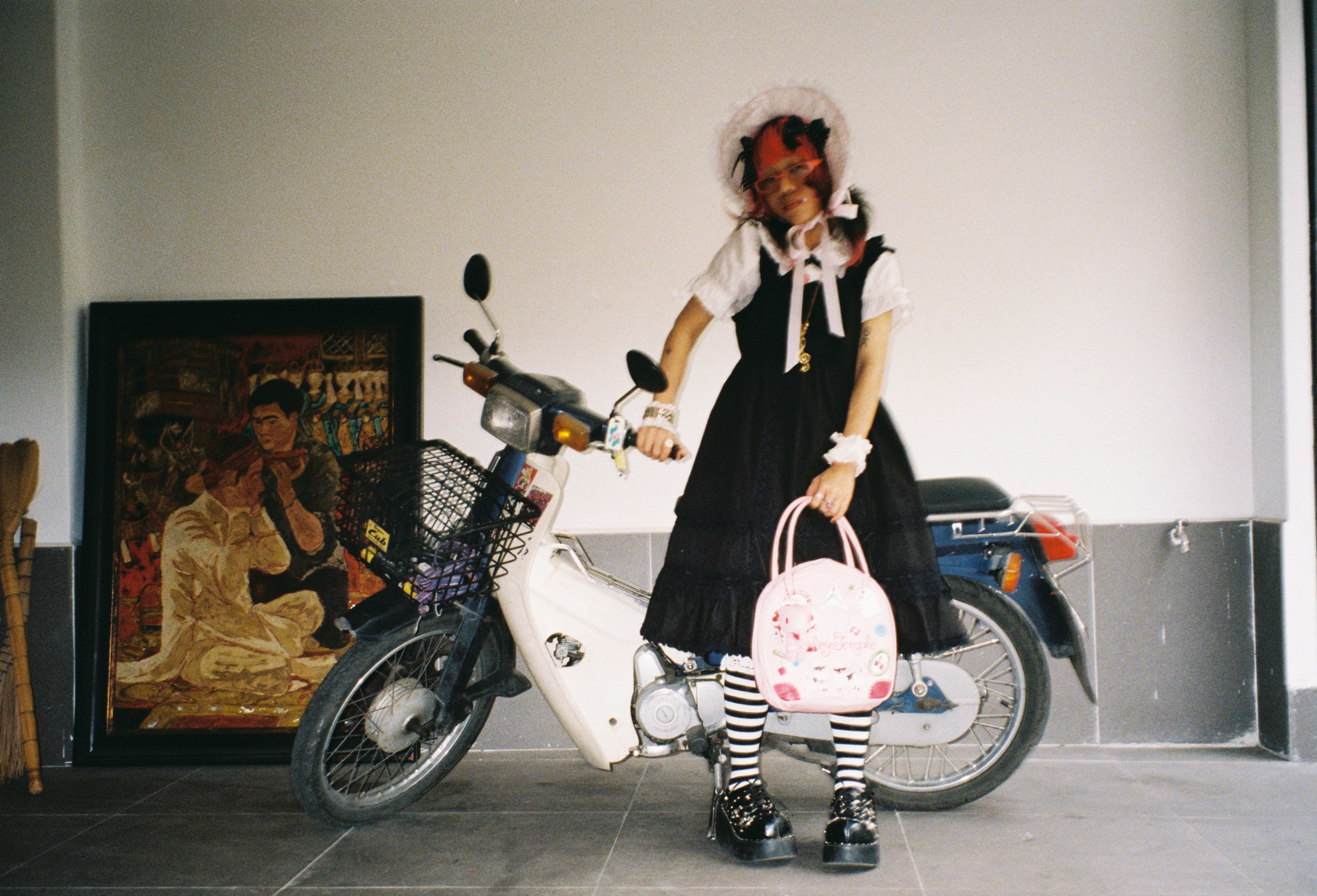
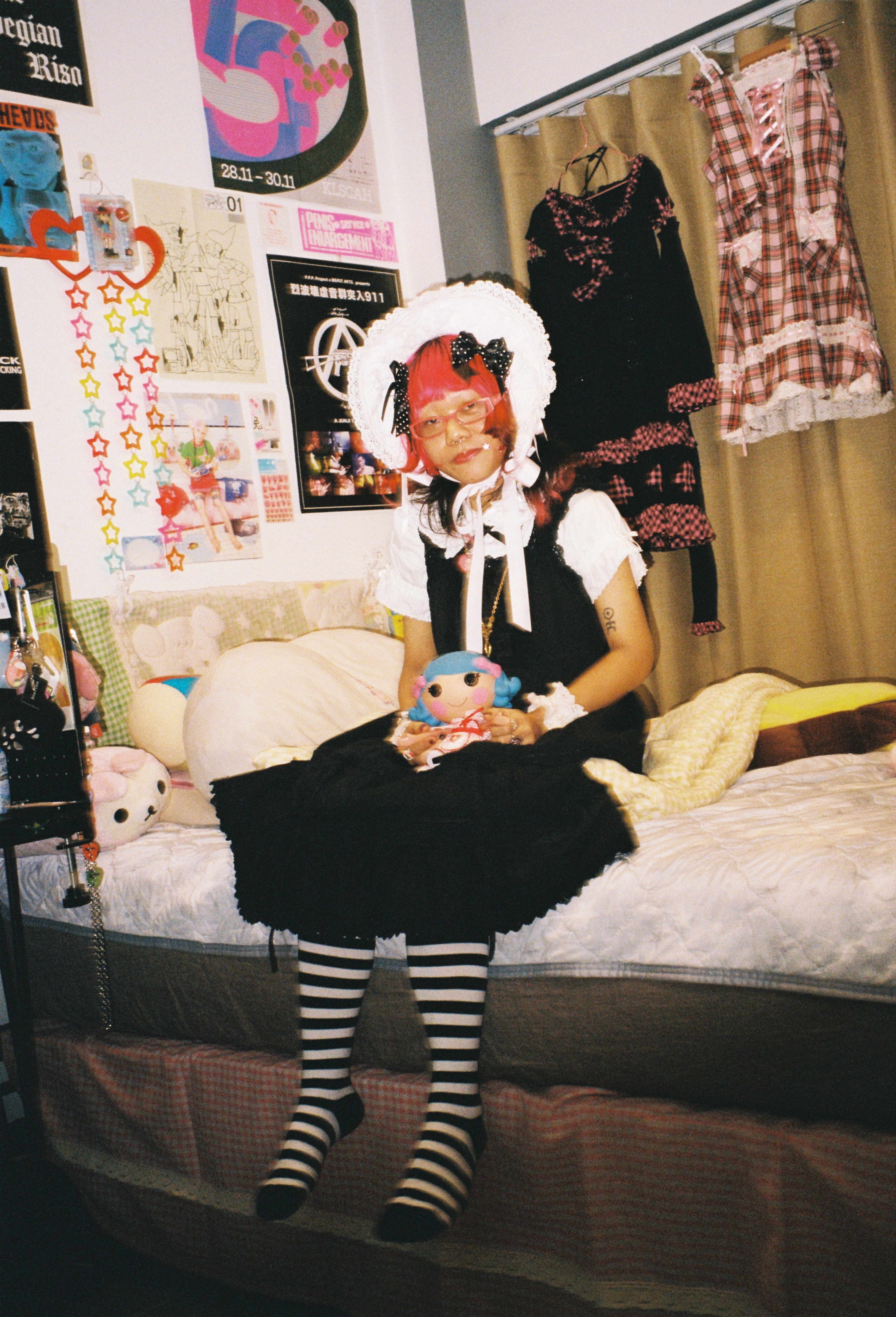
Hi all, my name's Nam, but most people locally know me as Spencer. I design and illustrate music event flyers, album covers and merchandise. You might be familiar with my work with Rắn Cạp Đuôi and Mona Evie. I guess I can call myself a multi-disciplinary artist. Nowadays, I’ve shifted to zinemaking - publications - books - DIY community events, and people also seem to really like the big stickers I make. Also, I'm from Hanoi.
C: Big Hanoi in the house.
E: Big H town. Silent Hill.
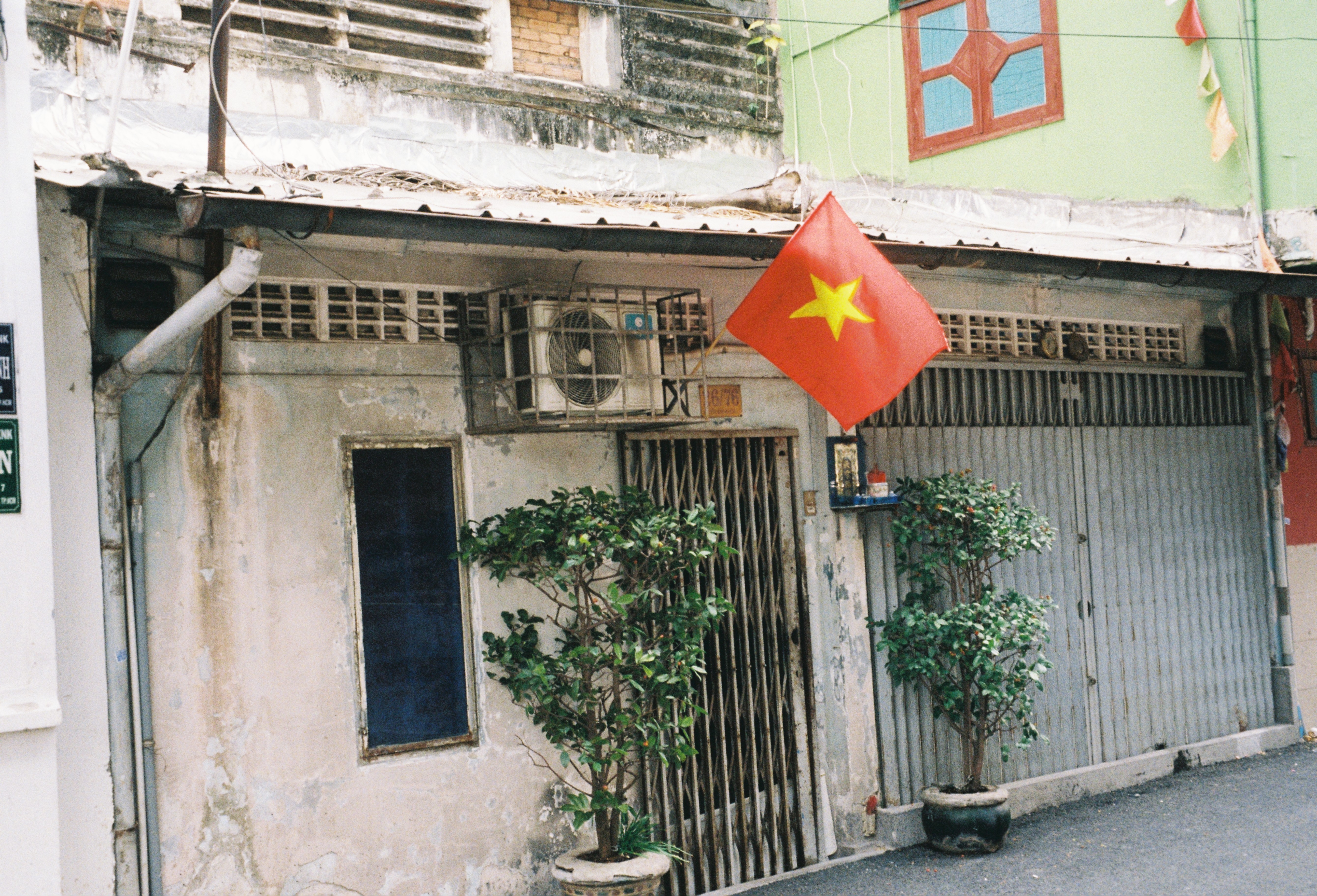
Yeah, I've always been in Vietnam. I was born in Hanoi, but most of my life I’m based out of Saigon.
HOW DID YOU GET INTO ART?
I would say it started with my family. Growing up, my mom never got to go to art school. So she did banking for a long, long time. After saving up, she had the opportunity to go into art school. She inspires me a lot to do what I do today. My parents have always been encouraging but not in the sense that they push me to do art, but rather to pursue what I want - they understood what it felt like to be pushed into a path that didn’t align with their internal values, and I’m eternally grateful for them to break the cycle.
When my mom was in art school I started to draw constantly, our house was filled with art supplies - paper - oil paints from my mom’s studies, I would borrow them. I started out drawing a lot of Pokemon fan art, got on Pokemon forums - did graphic design commissions for shiny Pokémon in return. Jumped from video game communities to hobby communities. Eventually I spent a lot of time listening to music, appreciating the (sub)culture that surrounds music - whether it’s visual - sound - fashion etc. I think music is something that inspires me to move in the field of art. Which is interesting because what I do is a visual field right? Music is something you can't really see or touch - yet it inspires me the most.
C: What type of art did your mom do?
My mom studied lacquer and silk painting, so she earned a fine arts degree from the University of Fine Arts in Ho Chi Minh City (Saigon) after 5 years. She does a lot of things on the side, such as ikebana flower arrangement, pole dancing, Tango dancing, and she has always been very open-minded and artistic. My sister and I grew up listening to bossa-nova, jazz, Vietnamese indie rock blasting from the living room at 7am.
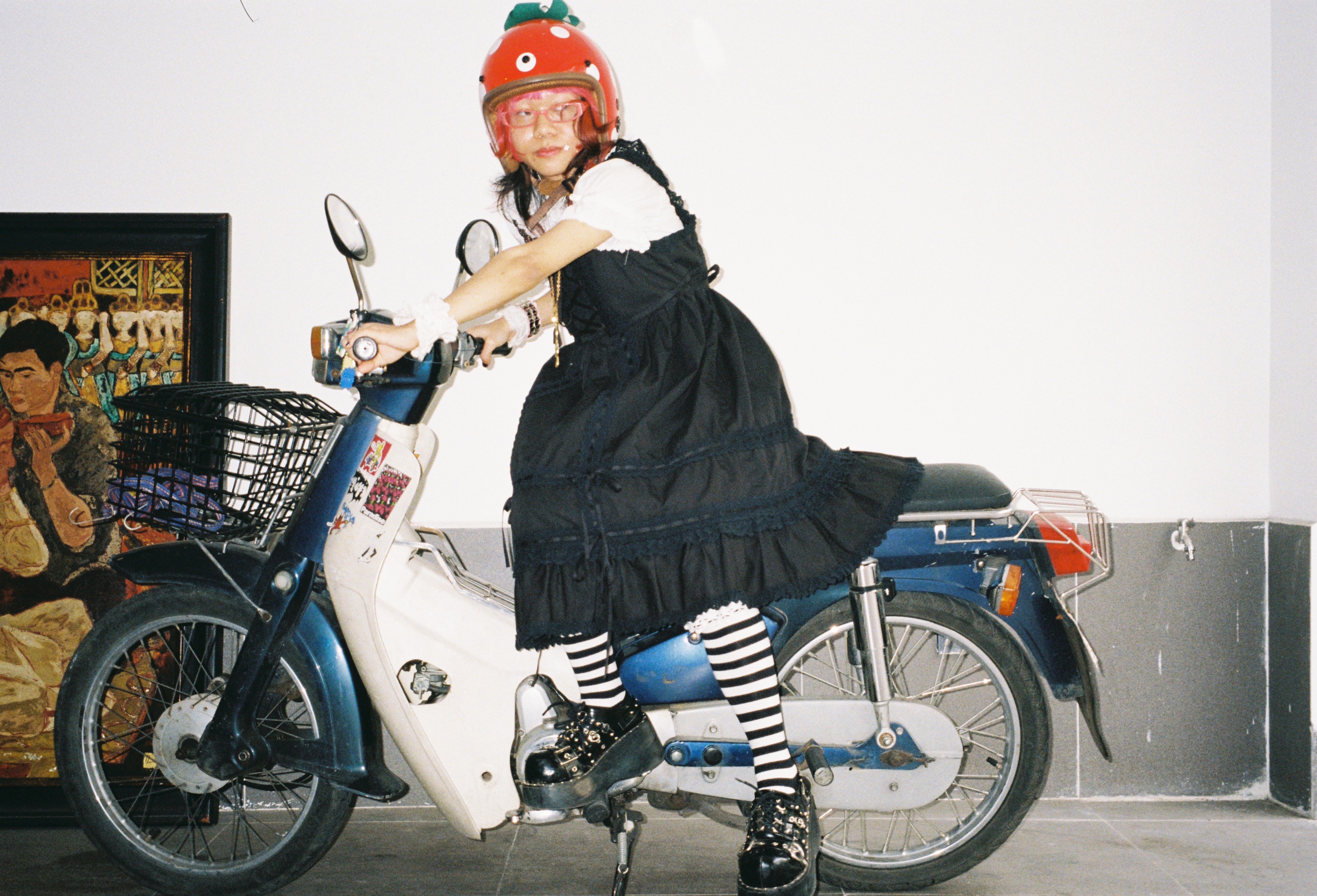
E: I want to talk a little bit about the relationship between your parents and art. As you said, that's not the typical Asian parent experience. Yet, it seems like there's almost a juxtaposition between what your mom does which is more fine arts whereas your work is very different. Very of this generation and time. How is the understanding between your parents and your work?
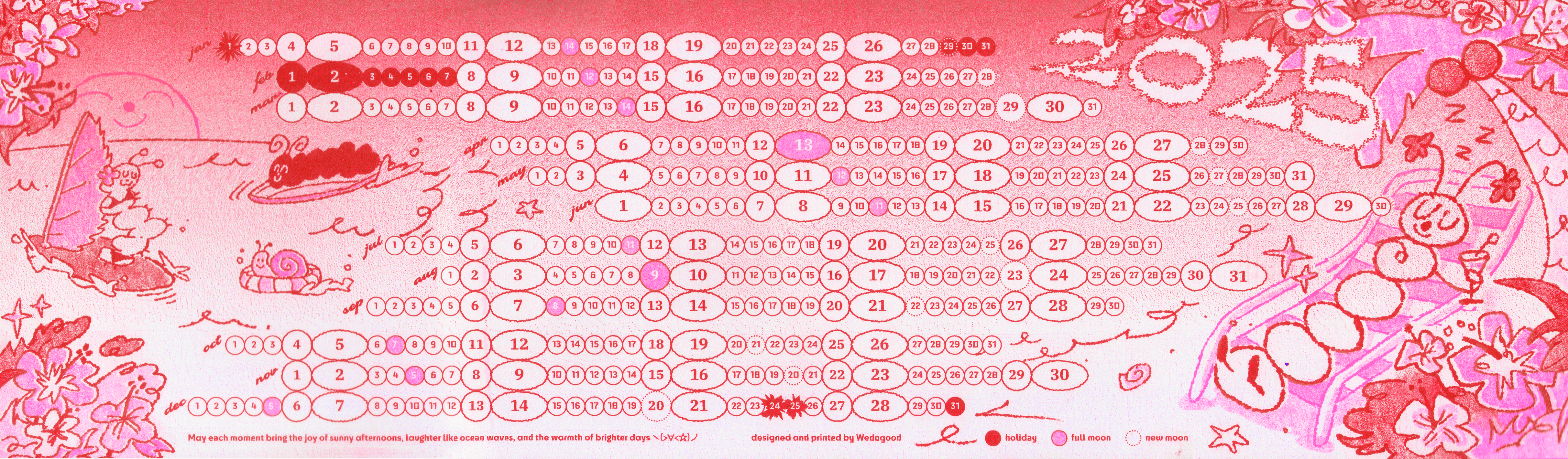
My mom doesn't live off doing art, she has a day job. She works a full-time job as a manager of an orchid flower shop near the area. My dad is a small business owner and consultant in marketing/branding. My parents are well aware of my online commission work since middle school, though it has transitioned towards a more print - merchandise production type of work. My parents totally understand the nature of the merchandising type of work I do, as you’re totally in control of your means of production - though I mostly sell my work at art fairs or artist consignment stores only.
E: For your parents, it's less about understanding the art, but rather like understanding the grind, right?
Yeah, I also don't want to deny that I have a lot of privileges either. My parents really support me on this journey, so I want to make the most of it. Everyone in my family does a small business, my sister does home-piercing appointments and I merchandise my work at art fairs, consignment stores and online sales.
C: Passed down, lineage shit. You mentioned that your mom went to art school, and I know that when we first talked, you also said you did. Talk about your experience going through that type of education, and do you think it was beneficial to what you do now, or was it not very necessary in your eyes?
The program at my high school that I went through had huge in-depth courses about sociology, literature and pop-culture. That gave me a huge headstart, along with my experiences with the local art scene to build a solid portfolio which landed me a scholarship of 50% of my tuition at my university. Reflecting on this a year after graduating, I don’t think my opinion has changed much since I first started studying. Personally to me, I think art education is essential in every creative person’s career, it mostly teaches you technical foundations necessary in your practice, however it shouldn’t be the sole source of your art education.
I think it’s important for Vietnamese young adults in creative fields to engage, and learn with people from different social upbringings, backgrounds, and experiences. Being part of a community or subculture really helps you shape your identity, become a more empathetic person, and understand how deeply your art can impact others no matter what medium you exercise in. Those connections can be so valuable. Make good friends, and keep them close to you, give, understand and support. That’s community.
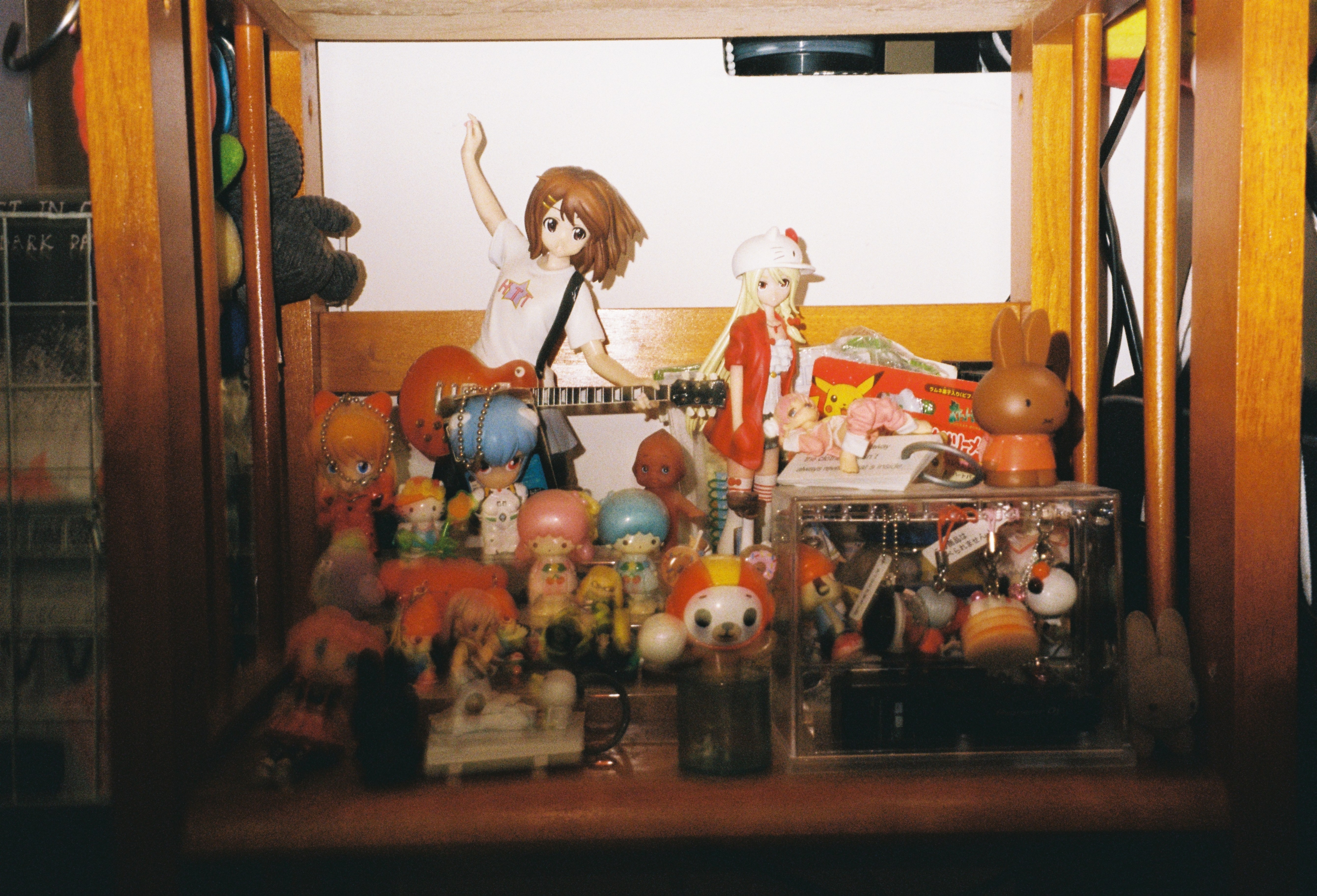
C: You’re from Hanoi, and now you're based out here in Saigon. How do you feel the art scene differs between the two cities?
So I have a very unique situation because I was born in Hanoi, but my parents raised me in Saigon, so I lived all my life in this city. I've only been connecting back to Hanoi in the past few years when I started working with Mona Evie, so maybe I should talk a little bit more about that?
C: Yah!
Hanoi and Saigon are like night and day at least for me, Hanoi very much values tradition and cultural preservation - lots of arts organizations operate there, the annual Vietnam Festival of Creativity & Design happens in the capital. Saigon is much more open, it’s diverse in the sense that it has a lot of foreign influences, open-minded people but a bit more commercialized . That’s why my background also reflects that, I try to do a lot of things. I started out in illustration and then I dipped my toes into music and now I want to focus more on printmaking. I initially started illustrating for bands like flyers and stuff like that. Then I got invited to play guitar in a band called Ran Cap Duoi in Saigon.
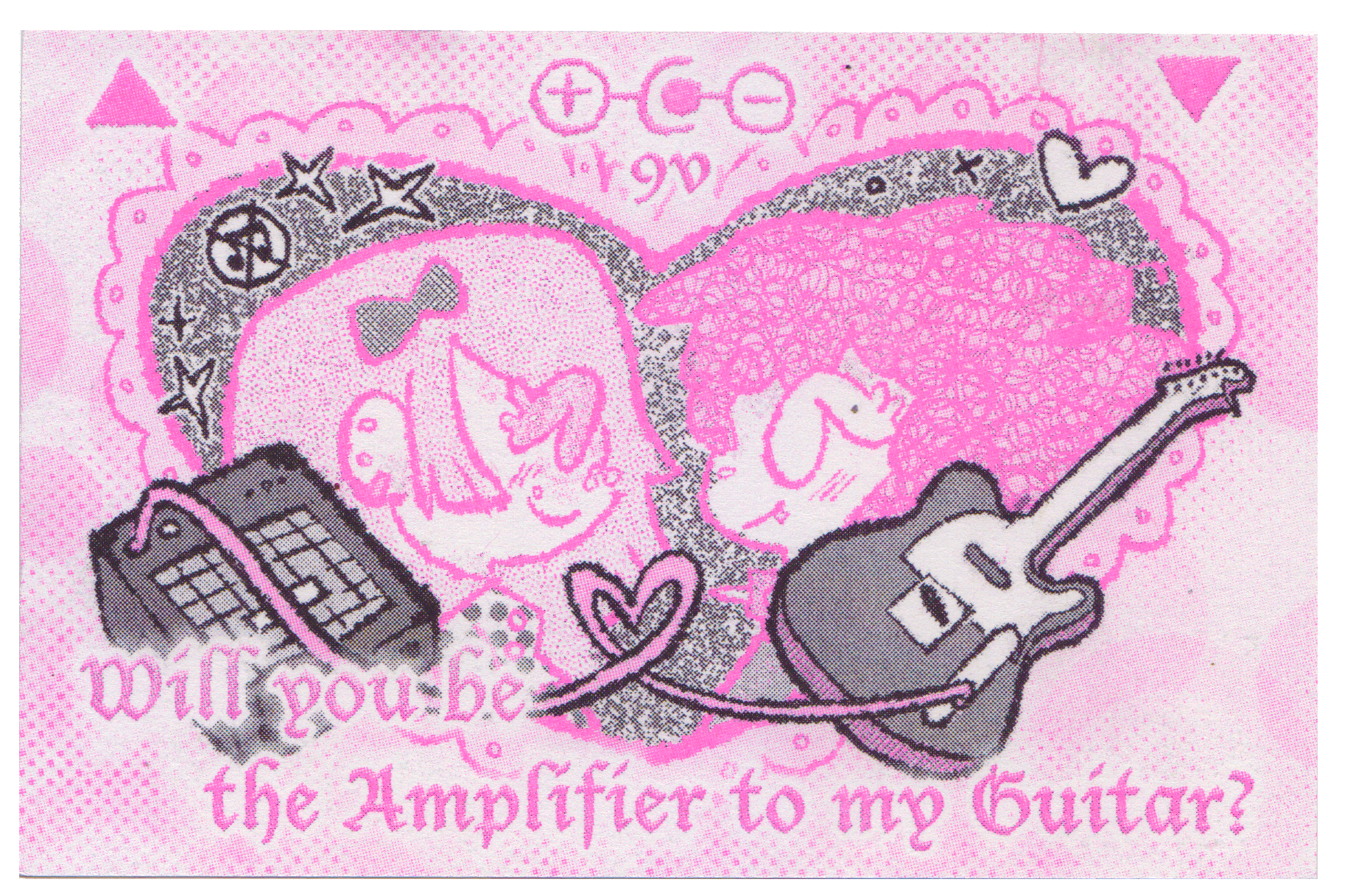
As I said, music really inspires me, but not just like punk music, but I love unconventional sound art as well. Anything related to noise, sound art, things that are unconventional, that's what I really like. Yeah, Ran Cap Duoi was a big part of my life. I was in that band for four years, so they just picked me out like a list... we were all friends on Facebook. This guy wanted me to join his band, and then I didn't know how to play guitar. He just threw me in, and we kept practicing. It was like a free jazz improvisation krautrock thing. I did that for a few years, and then I got invited to another group (Mona Evie) because Ran Cap Duoi was mostly older people at the time, and I was only in high school. There was a big age difference. I’ve met different older people in the Saigon scene, but then sometimes, you don't align on a lot of things.
E: Yeah, that’s like me talking to my little cousin.
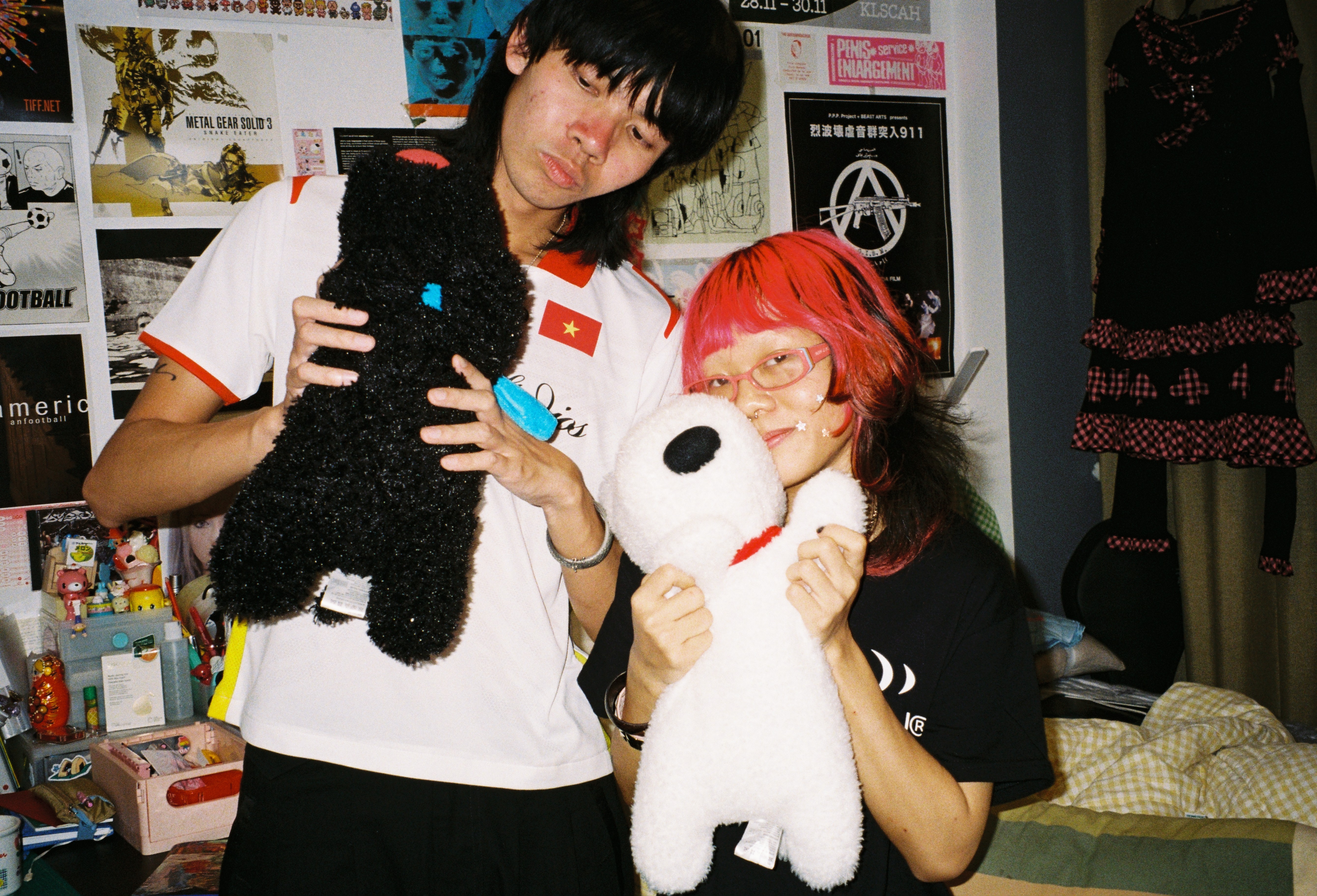
I mean, also, I was really immature and stubborn at the time as well. Then I got invited to a different group called Mona Evie, which was like nine people. I think, at the start, it was like nine people in the collective.
C: So y'all were Brockhampton?
Wait, so we met... the thing is that we met on this site called Rate Your Music. Then I found out that everyone in Mona Evie, met through a Tyler, the Creator fan page on Facebook. We bonded a lot through music. We talked about JPEG Mafia, Brockhampton, Death Grips, Standing on The Corner, Earl Sweatshirt etc. They were like, "Oh, we love Brockhampton so much.” They loved all the Saturation albums.
E: It was good, the Saturation trilogy.
C: That shit was generational, I can't lie.
JPEG Mafia?
E: I don't know about that.
C: Nah, I'm cool off that.
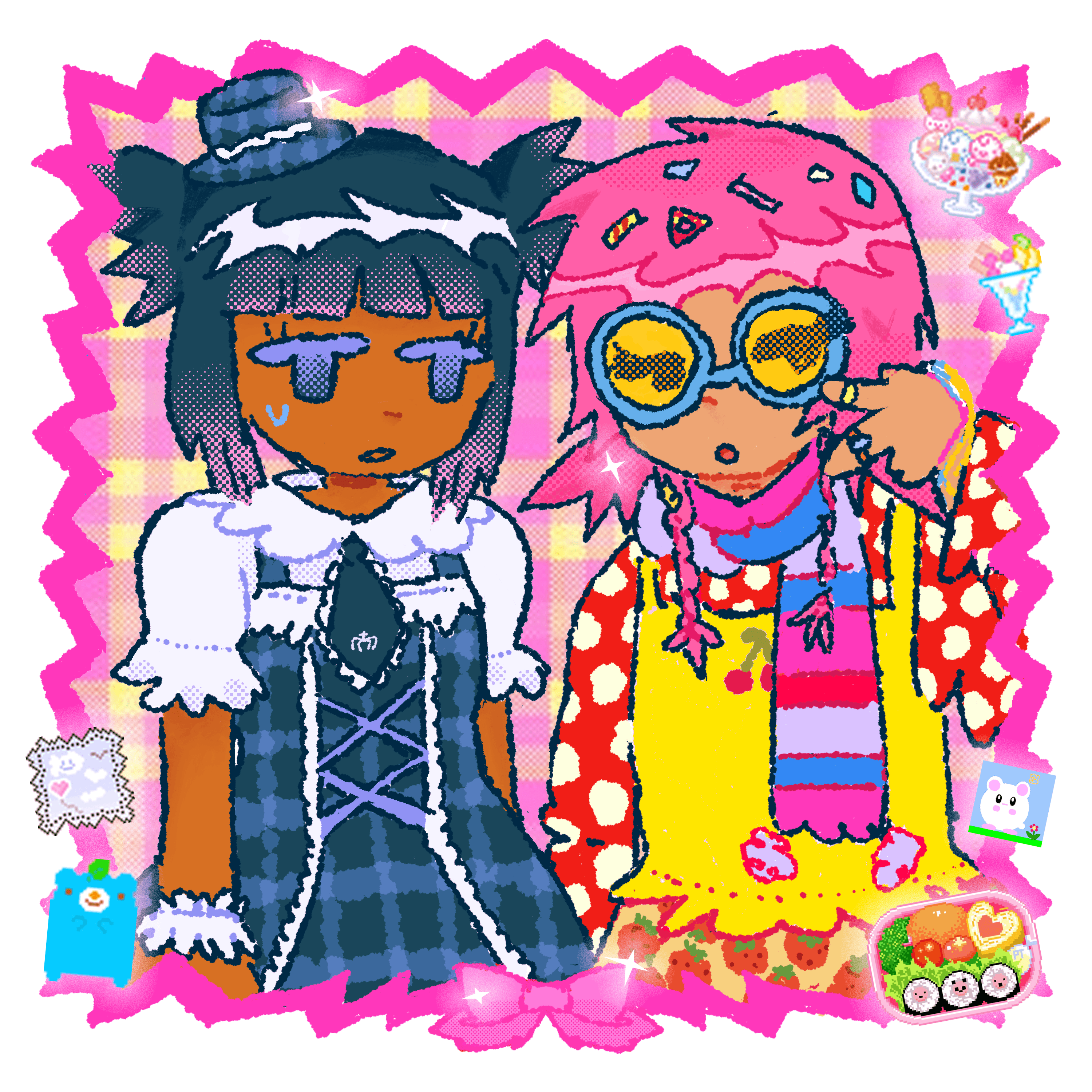
Yeah, a lot of it was inspired by the internet, like alternative music. I thought it was a strange genre to create. There wasn’t a lot of underground hip-hop music at the time. Even if there were, a lot of it is cultural appropriation in terms of visuals and fashion, so we wanted to be very careful. But we tried to do a lot of research. We listened to a lot of R&B, soul, and neo-soul. We got in touch with a lot of other people our age who were making the same music. Unconventional internet music. Lots of, terminally online producers on Discord who just basically streamed their FL Studio. It was during COVID as well. So a lot of internet culture influenced Mona Evie. Although it came to an unfortunate end, three years later I still think it was one of the most influential periods of my life. We made an album together. You know, when you grow up as alternative teenagers living through covid in Vietnam, and you have a big group of friends who do lots of crazy shit with you, and they listen to the same crazy music as you, and you make crazy music together. The first song is called "Spencer's Psychedelic Breakfast."
E: So, can you talk a little bit about your role in the band, Nam? Like, what were you doing for them?
I handled all the illustration and art direction, and I also wrote a few songs for the album. So we co-organized. There wasn't a hierarchy in the collective. I think that actually shaped my preferred way of working. No hierarchy. Everything is transparent.
E: There was no Kevin Abstract.
No Kevin! Yeah, I think then, you know, things happen. We grow up. I'm no longer part of Mona Evie. We made one of, I guess… A lot of people told us we were one of the most influential Vietnamese hip-hop collectives or alternative music groups at the time. I'm fairly grateful that we made an impact. But it's behind me now, and I'm really grateful for the experience. We also made a zine, there’s some of my amateur photography in there. I can show you.
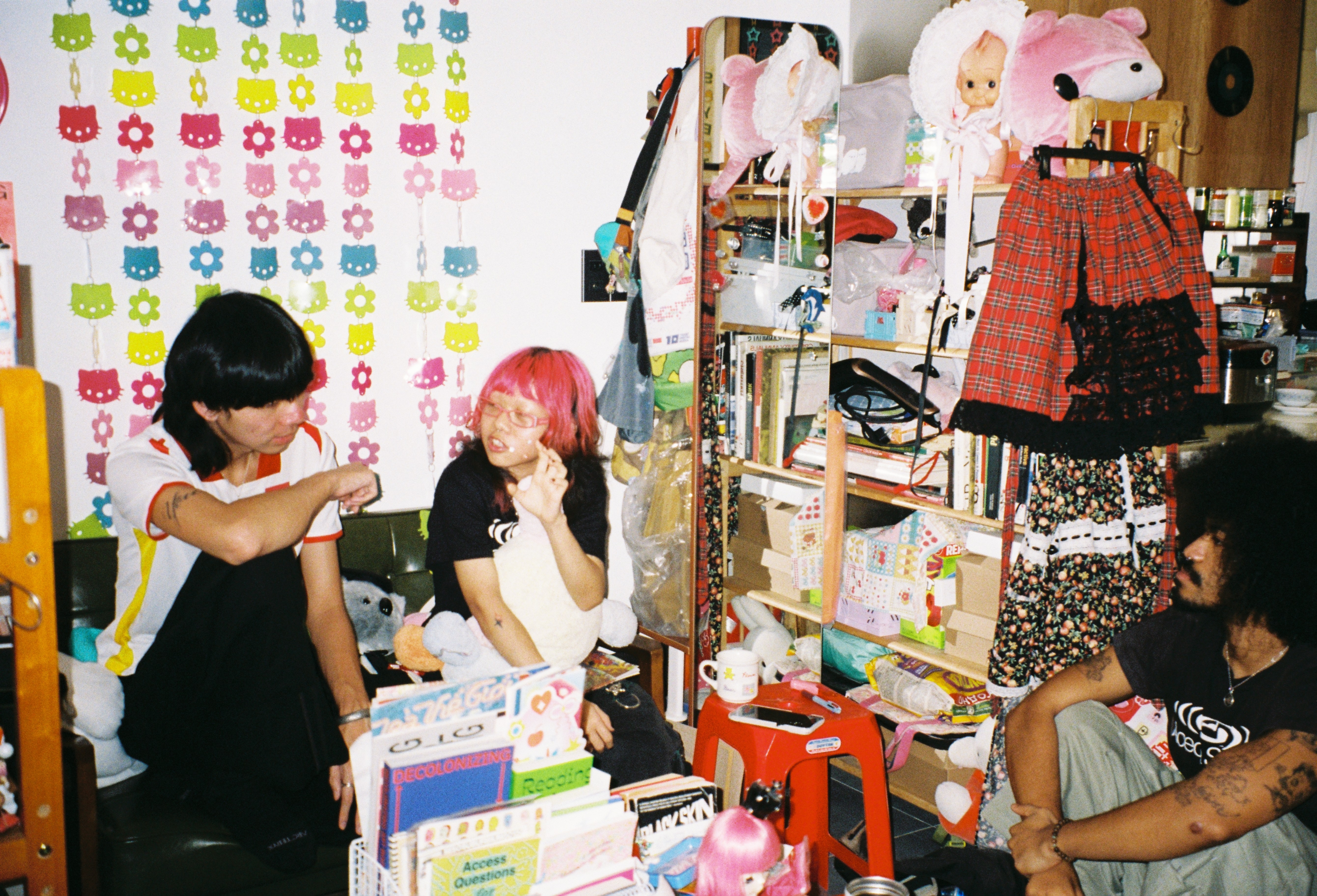
E: I mean, speaking as someone who is Vietnamese, but grew up in America. When I discovered you guys...and this was before I knew that Nam was a part of the band, or even knew Nam at all.
Oh, you knew about our band?
E: Yes! I was so blown away. I was like, "Wow, this shit is so experimental." I couldn’t believe it was coming from Vietnam. To talk about I guess, signifiers of culture. It's cool to have an underground music scene in Vietnam, because it gives Vietnamese kids who aren't from Vietnam something to latch on to, even if we don't fully understand differences in culture. I'm like, "Damn, this shit sounds like it came out of New York." I hear this, and I'm like, "I can understand this, but it's really cool that it's coming out of Vietnam." I think that in itself is very important.
Sometimes I don't really like this perception of Vietnamese music, that because we are Vietnamese, it means we’re “supposed to” incorporate something culturally embedded in our music. People were like why didn't we use traditional Vietnamese music? Some of the songs were in English as well. Some people were very confused. “If you're supposed to represent Vietnam, you should be talking about so much Vietnamese culture!”
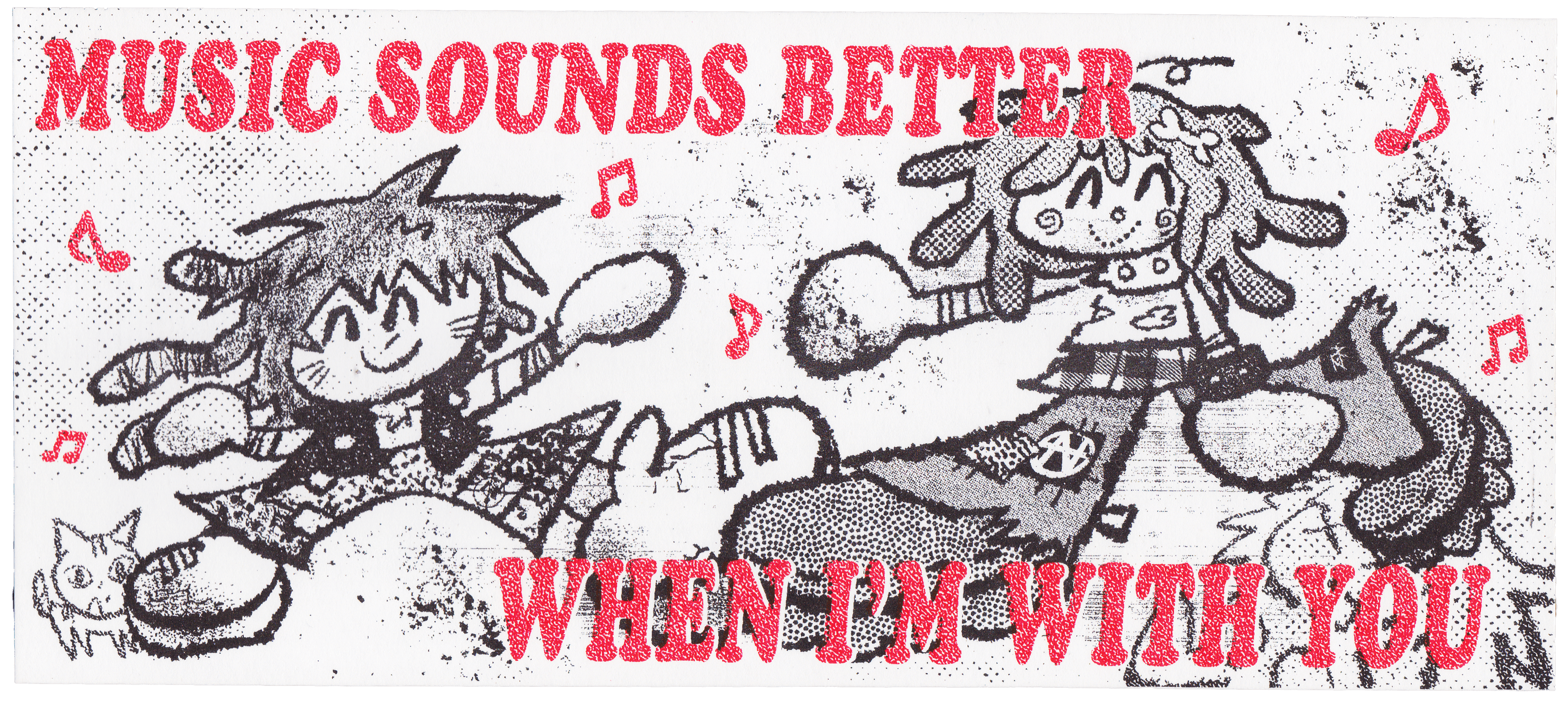
We declined all the labels at the time. We also rejected all interviews with local indie or popular mainstream journalists. The only interviews I remember that were quite okay were the V2X and Bandcamp Daily one. We wanted to do our own thing. I think we were one of the first people to even... not to brag, but one of the first people to really play into DIY, experimental multimedia making as well. Not only did we make music, but we also organized our own shows, zines, and merchandise. Because of Mona Evie, I started shifting my interest fully to printmaking. Starting in screenprinting totes, making stickers, flyers etc.
GET PAID AS AN ARTIST
Honestly, it's hard. I feel like everyone knows how to answer it. It's really hard. People aren't willing to pay much for merchandise design now that there's AI and shit like that. I'm getting fewer gigs to do it, too. That's why, at the time, we had to do it ourselves. DIY was something that we had to push because nobody was booking us. Mona Evie was also playing a music genre that was not yet developed in Vietnam, we didn't have a big community. We didn't have anyone else doing what we were doing. So we were basically alone. We had to start our own little experimental community as well.
C: Is that still the same story for you? For merchandising after Mona Evie? For your own artwork?
Even now, I'm trying to figure that out... because my art style and what I do are very different from what actually makes money in Vietnam. It's very much unconventional, inspired by alternative subcultures or from Western culture. So not many people get it. But for those who do, do. We found out that we sell better at art fairs abroad. So I want to do that more. I want to do consignments to reach the US target audiences. A lot of people ask to buy my stuff from the US, which I'm really surprised by. But then we'll have to deal with shipping and related issues. There are a lot of things that are my struggles related to the bigger struggles of colonialism, imperialism, lots of capitalism, and the way that the world sees Vietnam and the way that Vietnam is related to the world. It's so easy to ship from one country to another, but Vietnam, come on. It's crazy expensive. There's content control. Everything is so difficult. But there's always a way. There's always a way to get through it. So that's what pushes me.
YOUR EXPERIENCE ABROAD
E: Do you want to talk a little bit about your first experience abroad? Because I know you were just at the Tokyo Art Fair.
So, because I've been really privileged to interact with a lot of people from different cultures, even in Vietnam. I hang out with you guys and meet a lot of people from different countries and fields. So going abroad wasn't too hard an experience. But I do realize that my work is taken more seriously outside of Vietnam. I think that's the general consensus of anyone who’s Vietnamese that makes slightly alternative art that isn't accessible to the mainstream audience. They feel their work is better suited to a foreign gallery, which is really sad. We wanted our work to be appreciated here as a Vietnamese. I don't want to be like, "I'm Vietnamese, so I have to make art that is Vietnamese." I'm just an artist who happens to be Vietnamese, and I want my work to be appreciated here.
C: Is there any major conflict of thinking through the lens of, "Oh, I should just leave and go where the money is better or where people will appreciate me better," but you're still tied to Vietnam?
I'm tied to Vietnam.
C: Because that's the hometown team
It is.
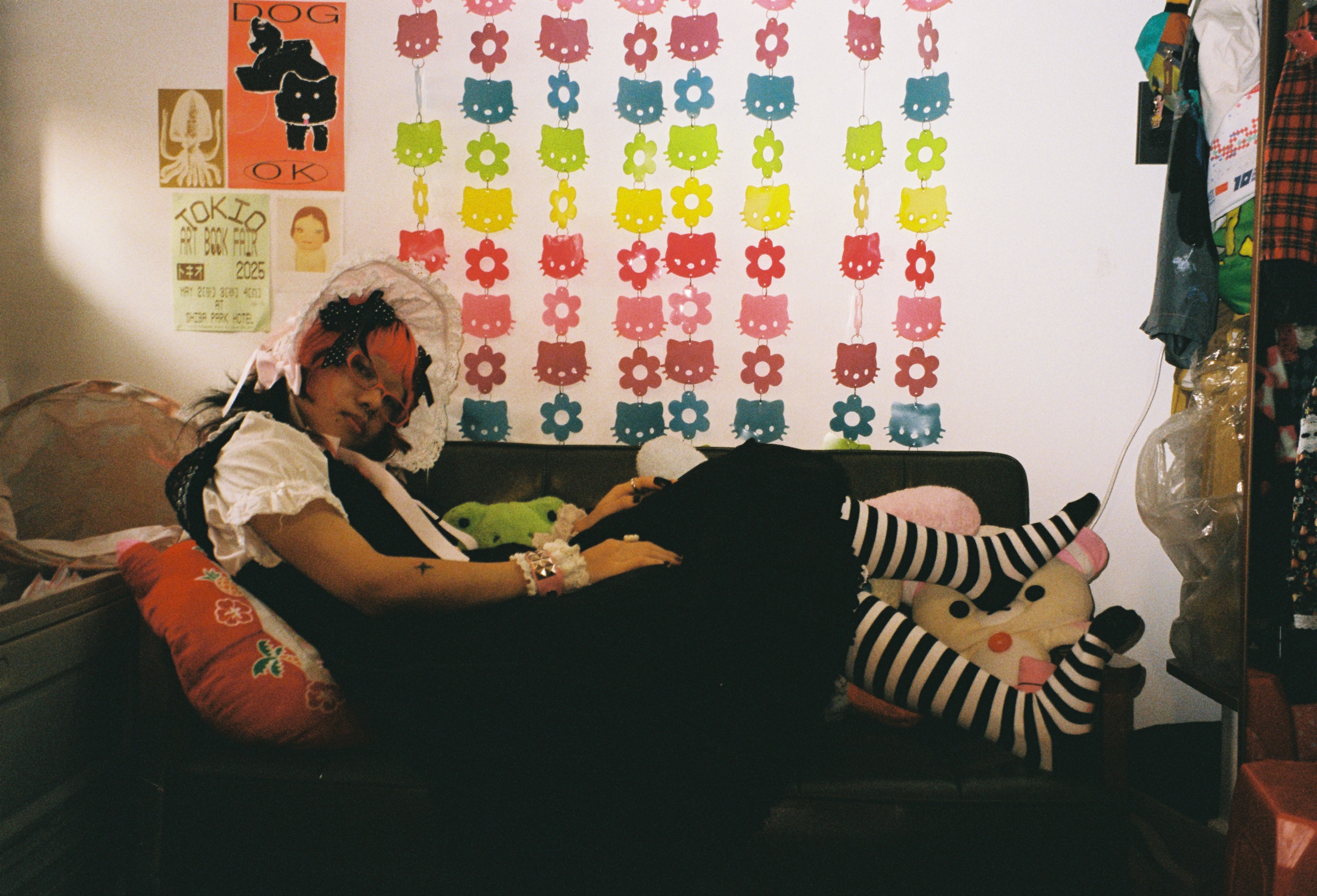
C: Is that a conflict that you've been thinking of?
Always. Because my parents always pushed me to— they wanted me to study at a pretty good high school. They wanted me to go abroad, finish university there, and then find a job there, immigrate to the country, maybe even give up my Vietnamese passport or whatever. That's the dream of the Vietnamese people. They want to leave the country. Same for most Southeast Asian countries. That's why lots of Filipinos leave their country. The general consensus is that they want to leave the country and immigrate to a ‘first world country’. And that's really sad. I know that it's sad because people want to make it here, but the atmosphere and the political and economic state here makes it difficult for some people, or some people are just not comfortable with their life here — but if you're not doing something that is palatable to the mainstream here, it's not going to work out. It's sad that you have to leave, or eventually that you have to leave, or even reach another country. Because I belong here. The only reason I want to stay here is that I have so many good friends, and I don't want to always think of myself as an Asian person abroad. You know, I went to Toronto for the first time. I lived in a first-world country for the first time ever, and I felt so alone. I've never felt so alone, even though I was surrounded by my Vietnamese friends and people who are really not white. But it doesn't feel the same at all.
E: You have a sense of belonging here.
In a way, yeah. I only choose to be around people I really fuck with now, in terms of ethics and values. I’ve had good experiences, but I also met so many troubled people, so many different people. But that's part of life, right? Growing up is meeting those people you don't want to meet anymore. But there aren't many people who think or want the same things I do. That's why I feel so alone here sometimes, in terms of work. But community-wise, it's fun. It's good. There's always good and bad, but I feel like the good sides override the bad sides, in Vietnam at least. A lot of Vietnamese people are moving back here, and many Viet Kieus are returning to Vietnam to start their own businesses or just live here. There are definitely still a lot of power dynamic struggles between the Viet Kieu artists who moved back and the people who have been in this scene locally for a while. But usually it's just so much easier to start your own business here now. So I have hope, but I'm willing to try if I have a good opportunity. If I have a scholarship to New York or something.
E: Acedia scholarship.
C: Acedia scholarship! - Give us a couple of years.
At the same time, there’s a few concerns because I'm also queer. So it gets difficult. But here, you don't even need a doctor's note, or do anything crazy to transition as a transgender person. You just buy it off Shopee, bro (that's like the Amazon of Vietnam). You usually don’t even need a prescription. You don't need a therapist or anything. It's just a free-for-all. But that's a double-edged sword.
C: So they giving out estrogen for free out here?
You can walk for about 5 minutes to the pharmacy and get it right now. That's why many people choose to stay/come back here. It's very DIY. People don't use the term DIY here, but it is just how it is. A lot of it is survival, out of necessity.
E: Should we talk about that then? Is there any other part of your identity that's very important to you, being a queer person?
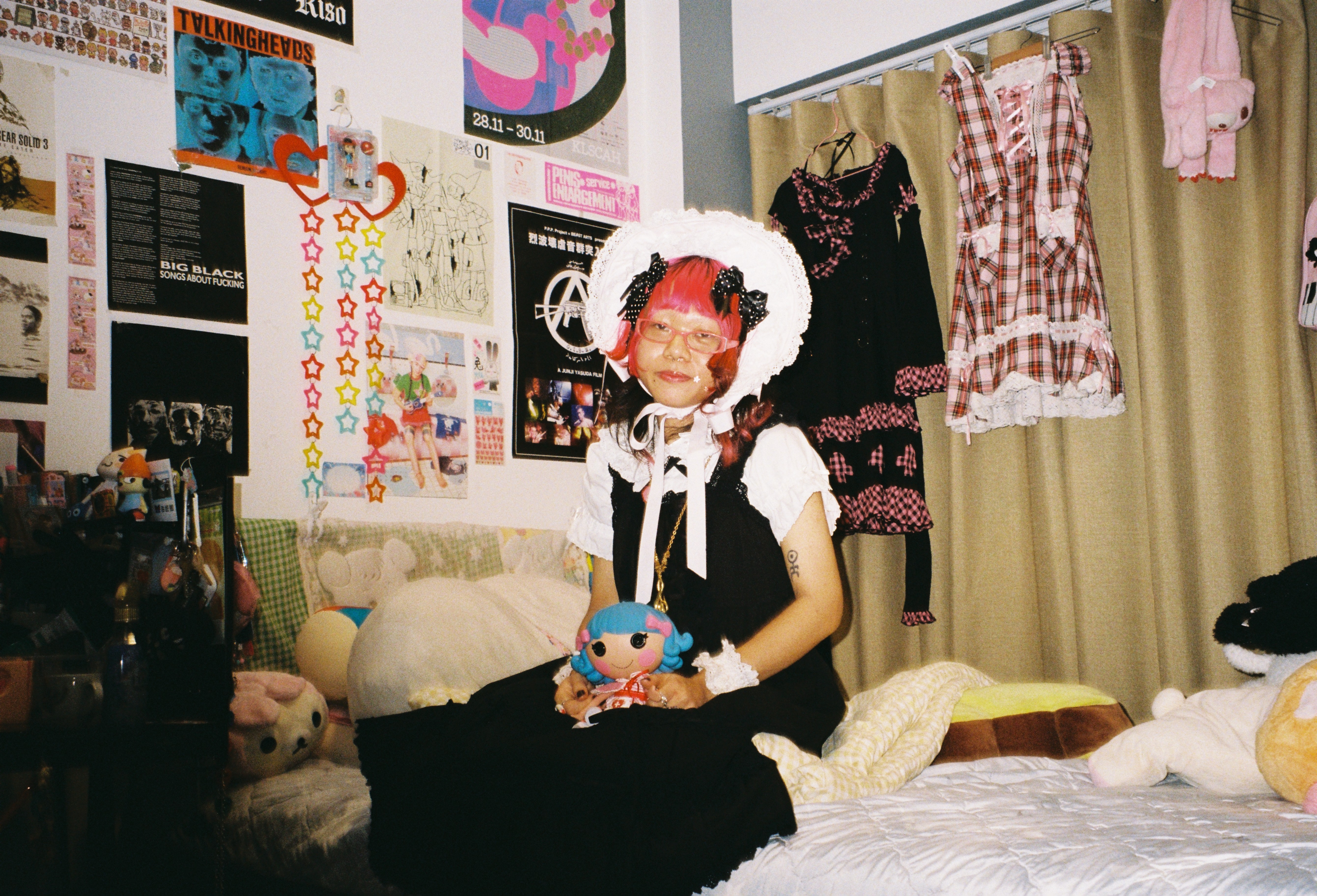
Yeah, here. I think we can talk about that a little bit. I don't think a lot of people even talk about transness. There are a lot of microaggressions you get within the circles that I try to move in. I've been in academic institutions. Sometimes I get really — people undermine me. People think that I'm not good enough. I don’t feel like people respect my work enough, or they think it's childish, or they think that it's not serious. I get that a lot. Because my work includes a lot of colors. It includes a lot of childlike imagery as well. Lots of fun, cool stuff. They don't really consider that serious. I don't like that. It's different for other artists but I actually don't consider myself making queer art. I don't like that term. I don't consider myself making Vietnamese art, I guess, to an extent. I just say that I'm just an artist who happens to be Vietnamese. And who happens to be queer.
C: Ethan mentioned one of his dreams is to get his work out here. That would make him, in his eyes, a more successful artist. What does success for you look like as an artist?
Oh my god, that's a big question! I've never even thought about this.
C: And it doesn't have to be like, "Oh, I want to get into this museum. I want to get into this spot." It could just be, "I just want to be sustainable." I'm giving an example.
Yeah, yeah. My dream is just to make a living off my art, basically. I don't want to work. I think a lot of my friends don't want to work a 9-5. Eventually, I have to. Just to fund my art for some period of time. But I don't want my life to be like "gò bó." How do you say "gò bó" in English? Gò bó. Restraint. I don't want to be restrained by… Yeah, like, restrained by that for my entire life. That's not how I want to live. It's just...Maybe my parents are just really supportive right now. But I don't want to rely on them forever. I want to make it out for myself, too.
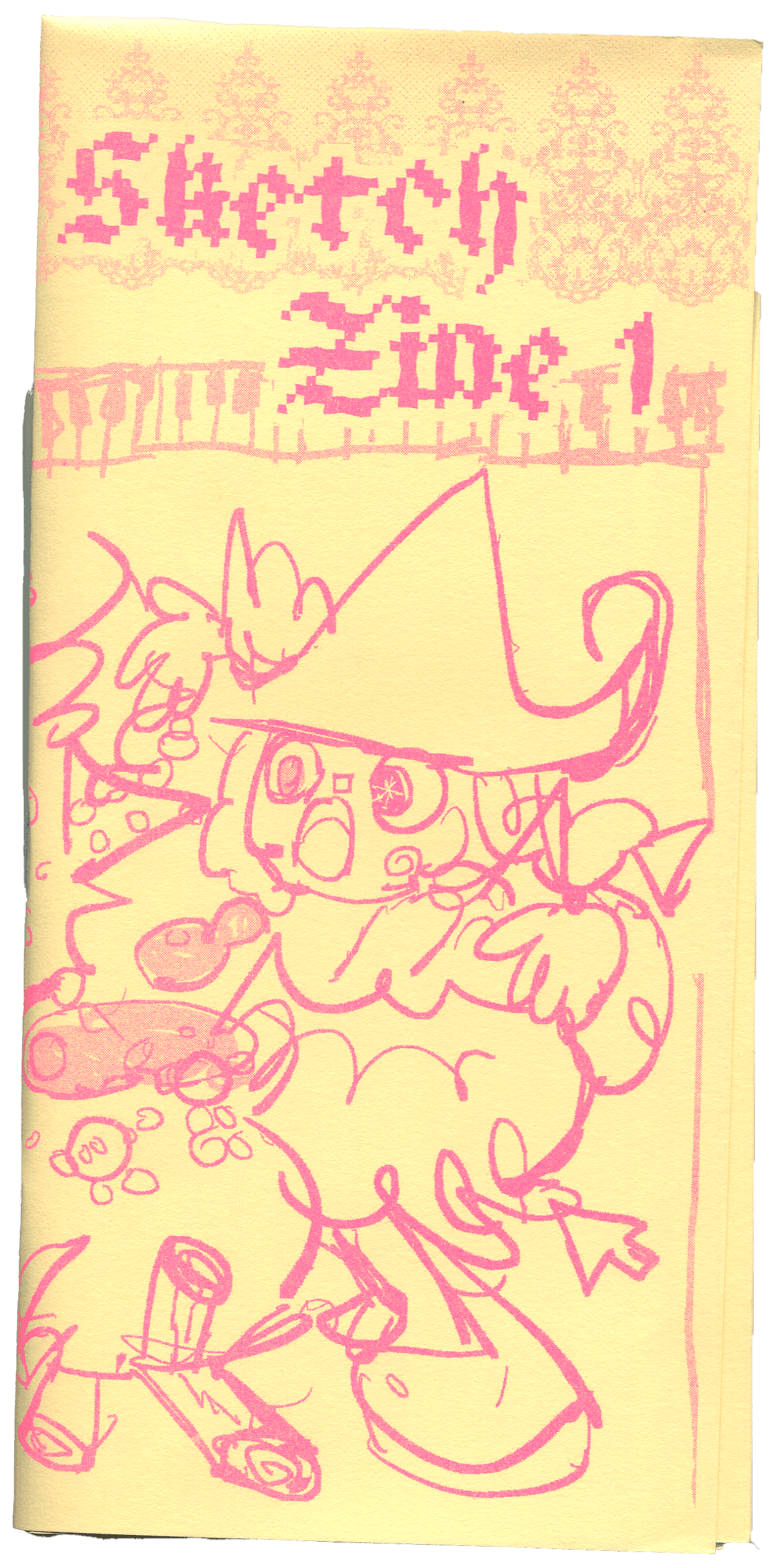
Specifically, I do want my stuff to get into galleries and art book fairs. I want, eventually, my own solo show out of illustration. I try to make installation work as well, you guys saw one of my sculptures downstairs. But it seems there is something I feel I have to curate, and to do that you’d kinda have to use art speak. Art-speak to throw myself into getting that world. Because the art world, I guess, the fine art works, the gallery work, it's like a different, complete class. It is not like, "Oh, you do art fairs. You can show it to everyone. Just DIY." No, it's not like that. You've got curators, you've got galleries to get stuff in. You need production staff to set up your exhibition and related materials. Yes, there are many barriers. So many barriers related to class and privilege. The general things that people enjoy here are, you know, I've already told you about this, it’s not direct but I get the idea that they don't really like my work. Or they think my work isn’t serious enough even though I do try to come off as serious. But I think many people here don't consider small printmaking or merchandising to be the same as gallery art, which is a shame.
RISO PRINTING
C: You mentioned that you're into printmaking as well. Do you want to talk a little bit about your time at WeDoGood Riso?
Oh yeah. So after Mona Evie, I studied abroad in Toronto. I learned about the Risograph machine. Gerbert.
E: Gerber? That one Gerbert. Nyeeh
C: Nyeeh ehi, you want to catch a deafaz.
Toronto Drake City was fun, but I felt like..
C: I'm cheesed, fam.
E: I'm cheesed, fam. I'm cheesed, this Gerber's talking.
Yeah, I felt like it didn't fit in. It was hard to break into. I feel like anyone can get into the scene here in Saigon. You can break in so easily. Toronto somehow was just really hard. Maybe different cultures. It felt kind of gatekeepy. You have to really know someone.
E: I feel like generally that's true between most art scenes. For example, you and I are Instagram mutuals. But I think when this interview goes out, people will probably be able to see, "Oh, Ethan, Chris." And then that's Nam. I know Nam. And then that in itself will be an opening moment for us.
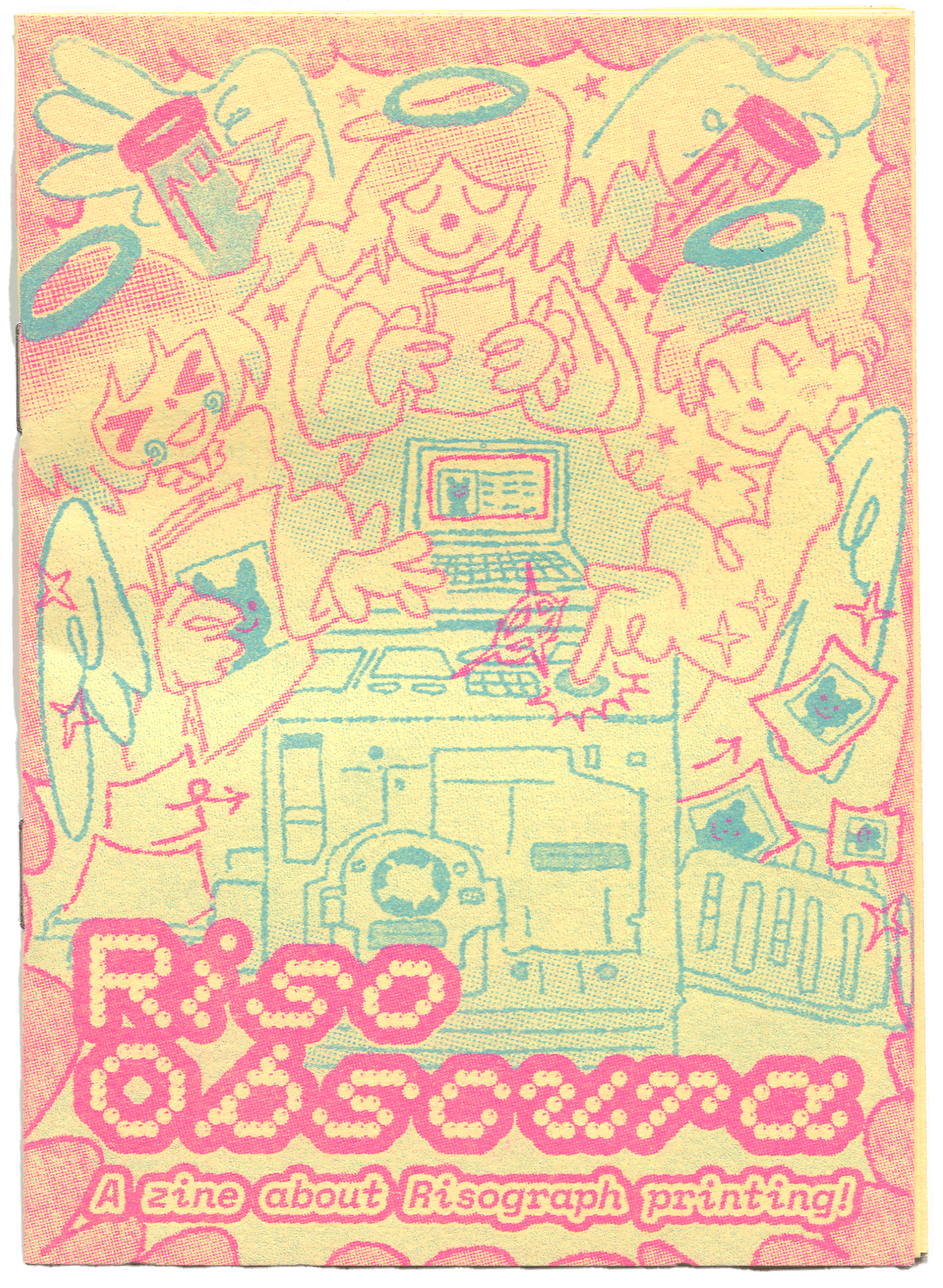
Yeah, after Mona Evie, I went to Toronto. I learned about the Risograph stuff. And then when I had to come back here to Vietnam, I asked Wedogood if I could use their machine and pay a different price.
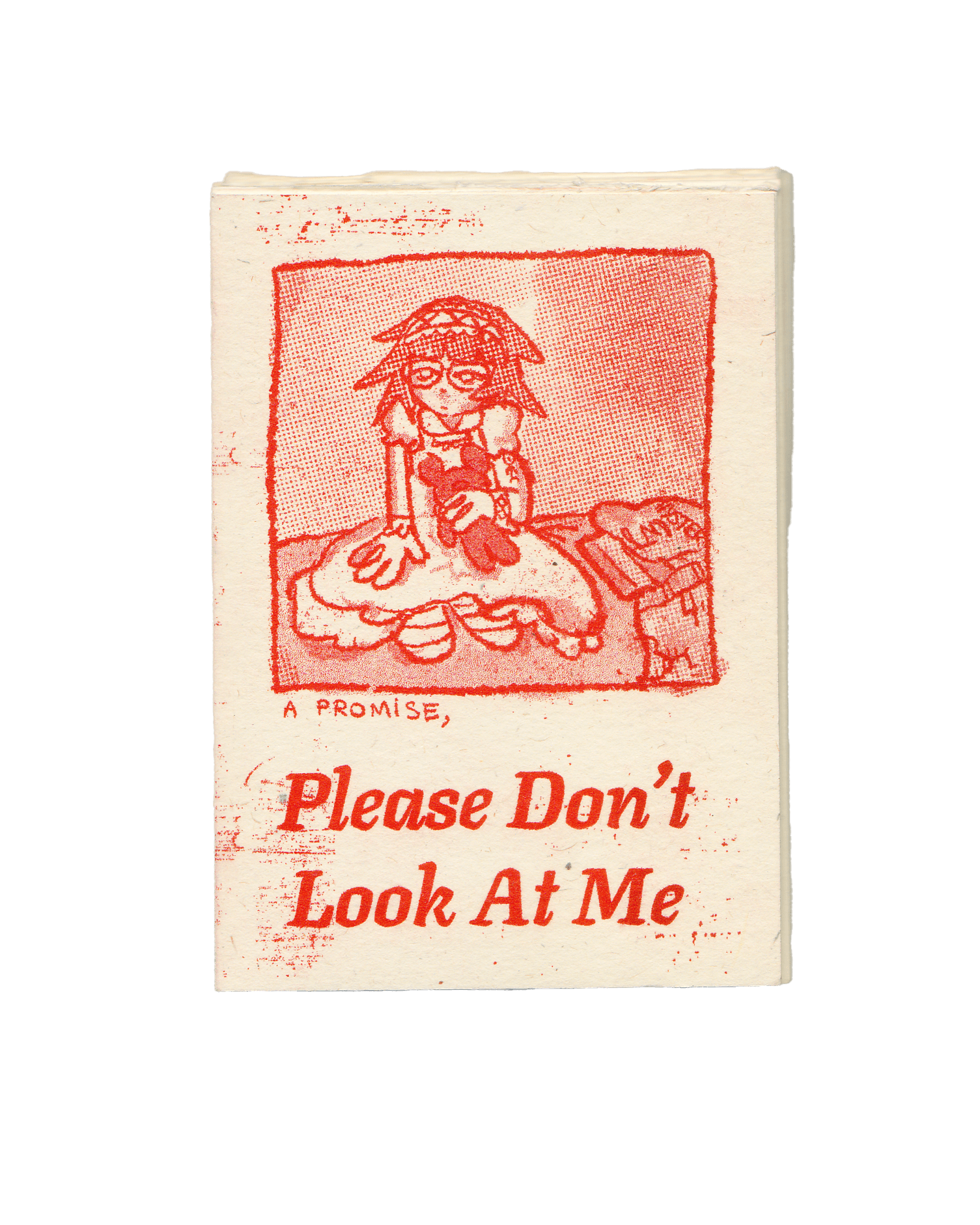
Because apparently Risograph-- Do you guys know what Riso is? Maybe I'll explain for everyone. But Riso is basically like a duplicator machine that prints color by color. And it's kind of like a silk screen mixed with a photocopy machine. It prints color by color with a stencil. It's really good for printmaking. It's really good for making multiple copies of an artwork. You can make pins, business cards, all that kind of stuff for a really low price. But apparently, in Vietnam, that is not the general understanding. People don't think that Riso is cheap compared to digital printing. Because Vietnam is considered a manufacturing country at this point. You can get anything printed within one day. You can get it really cheaply-- That's why all the local streetwear brands are popping up like mushrooms in Saigon. Because manufacturing is so cheap. Because of that, it affects a lot of how people think about which medium to choose. People generally aren't going to choose Riso unless you're a very invested artist who wants your work to have good texture and vibrant colors. Most would be like; “Why would you choose that when you can go with a cheaper, faster production?” Like a print house. They do it in one day. I can get stickers die-cut in one day. It's crazy. When I was in Toronto, I couldn't do that. There's no way. You had to wait two weeks. Everything is so fast here.
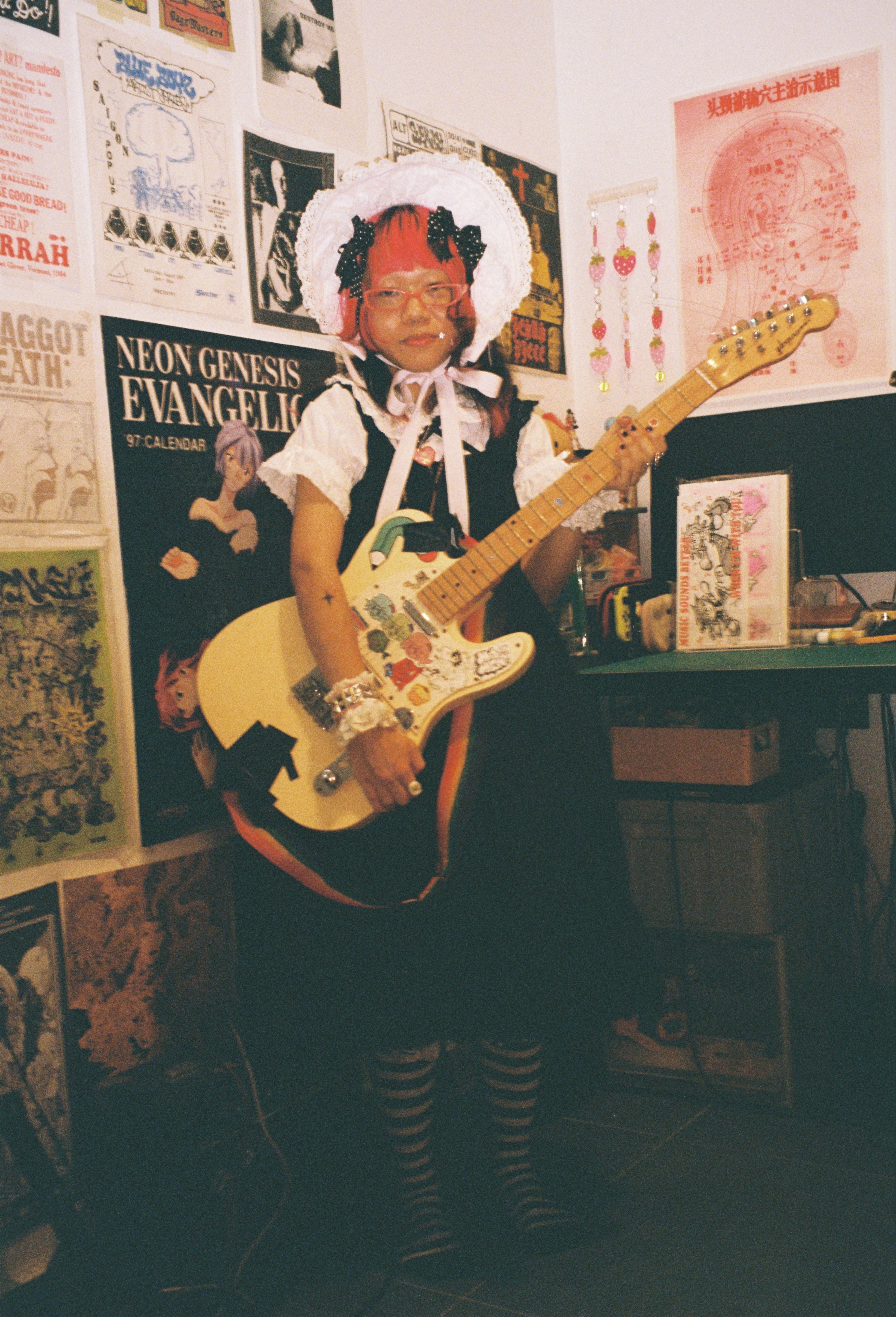
The reason why I work with Risograph is that there are so many imperfections with it that I had to let go of it. I'm a big perfectionist when it comes to my work. But working with Riso has made me loosen that up. Working on my technicalities, my skills with that. But then I also discovered bookmaking and zine making with Riso. At WeDoGood, I learned a lot about dealing with clients. I think it was my first real job out of school. Before that, I only worked at galleries. I actually worked part-time at galleries. I did gallery watching. I did staffing at pop-ups and events. Got paid a really low student wage. But WeDoGood was my first long term job, a year and a half. I did everything: social media, customer service, and printmaking. Also did printing files for guests or for clients. Then my main job there was to do the printing, the technical printing. Laboring job. Cleaning out the machine. Using the drums and stuff like that. So I know a lot about Riso. I know about the colors, the technicals, and how they work.
So from there, I think my practice has now shifted from illustration to more writing and doing something more meaningful for the community. Political tensions in Vietnam have become increasingly difficult in recent months. Especially when Vietnam has just joined Trump's board of peace or whatever.
E: Yeah, I saw that.
So disappointing, right? Yeah, I think being an artist here, I don't want to fuck with people who aren't aware of any of this stuff. Because if you're just catering to the mainstream and being so comfortable with what most mainstream Vietnamese pop culture already has, rather than challenging it in new or abstract ways, you won't be able to create space for unconventional art to grow. I also want the different types of media that I’m not familiar with to grow as well. Movement arts, theatre, cinema, sound art, puppetry etc… I want all of it to grow in a space free of outside restrictions or control. To be able to challenge that, you have to be so socially aware and challenge everything in little ways. Of course, be safe and take care of your community. Because I'm in Vietnam, I think, it's not the same as in the US in the sense that you have to be so subtle with so many things. You have to be so subtle and so careful with your event planning. If you're making a DIY event, my suggestion is to have a group of like-minded people to understand how to carefully plan an event to go smoothly. So yeah, working at a Risograph studio taught me a lot. Yesterday was my last day of work, so this is a good reflection. Yeah, from now on, I want to do more writing.
E: Shout out to Spencer's boss, that one girl with a pillow of her face.
INSPIRATION?
E: Just name some artists that inspire you.
Right now? Oh my god. I like a lot of super-flat art like Yoshitomo Nara. Illustration-wise; my biggest influences include Hiroyuki Imaishi (whose works include Panty & Stocking with Garterbert, Kill La Kill), Junko Mizuno, Matsumoto Taiyo (author of the manga Ping Pong, Sunny), Jinx88kc, Fruits Magazine, Harajuku and gothic lolita fashion lifestyle magazines from the 90s, and even to an extent some games like Splatoon 3, Parappa the Rapper, Pop’N’Music, Jet Set Radio, and Hylics.
The way I move through life and art are always tied to music, subculture, cinema and politics. I’m a huge nerd. My illustration career went on a completely different path when I first saw the guitarist of my favorite band Wata from Boris release a pedal called the Hizumitas produced by Earthquaker devices. The artwork on the guitar pedal was so stunning that it is permanently engraved in my brain whenever I start a project. So yes, my biggest musical influences also probably include R&B, Shibuya-kei, Noise Rock, Punk and Experimental.
C: Who are some artists in that genre?
Some artists and bands that inspire me are Boris, Einsturzende Neubaten, Painkiller, Robbie Basho, Hanatarash, Boredoms, Melt-Banana, Standing on The Corner, Dean Blunt, James Ferraro, Bladee. Also not a direct influence but there are some other cool bands in Vietnam people should check out too.
C: You want to shout some of them out?
Shout out to Vuiqá from CÚT LỘN, Nuclear Stockpiles and in memory of the view from hanoi opera house!
WHAT’S NEXT
C: What's next for Nam?
What's next for me? This year, I'm going to work on a zine about music. That's something I've always wanted to do. A zine about Shibuya-Kei, a very small, short-lived genre in 90s Japan.I find it fascinating that specific genre is somewhat popular with indie kids in Vietnam. I want to know why so many people in Vietnam are into it despite not knowing the genre name, and write recommendations about that genre and how it came to life. Basically, write about music for my next project. I do write more zines that are a bit more emotional, personal and gentle. That's sort of like a reflection on myself as well. I have many stories to tell about Mona Evie and Ran Cap Duoi or my past experiences with being an alternative queer person in Vietnam. So I want to archive that down. I haven't really met anyone here who wants to archive stuff or write and document what they do in the form of an accessible zine yet. Something that the zine world here really lacks. Not enough people write and document in the physical medium!! It's just online or digital. One day I wish to see a semi-public zine library to be opened here. And eventually, unrelated but I would love to see a Vietnamese hardcore punk flyer archive book.
E: Yeah, that'd be sick. Is this happening beneath some sort of name? A collective even?
Yeah, so after leaving WeDoGood, I started a collective called Tau Hu Ky. We host small-scale DIY community events and publish zines. That Shibuya-Kei zine will be published under that collective, and eventually I would love to share curated music. Not just to curate Vietnamese music. But to show what Vietnamese alternative people here listen to. Not just like, "Oh, you come to Vietnam, you want to know about Vietnamese music?" We do listen to Vietnamese music, but we also really like other niche stuff. Showing different aspects of that will be included in the zine. It sucks that people usually think Vietnamese people just listen to mainstream Vietnamese music.
E: Y'all don’t listen to Vina House every day?
No, we don't! It’s not true!
C: Any shoutouts? Any of your homies you want to shout out? Any of your family? Any of your friends? That's how we always end it.
I want to shout out to basically everyone who was a part of my art discovery journey; Who all have their own careers now. Long Trần, Chó Phú Quốc, Vĩ, Trần Uy Đức, Minherself, Nguyễn Hữu Trâm Anh, DJ Thuý Kiều, Linh Dinh (and the Rimixso team), Đào Mạnh Đức. They influence me so much. And we’re still friends with me nowadays. They make Hanoi so much more enjoyable to come back to even when I have moved away from my hometown. They built their own alternative and Vietnamese experimental scene there. That's unheard of! Shoutout to my Ho Chi Minh (Saigon) buddies, Khuê (pokeflesh), Oliver, DJ Ốc Thanh Lâm, Xứng, Pchan. Shoutout to my international buddies, Jenn, Gabby, Constant, Cash, Eden, Jun Inagawa, Jojo and Margo in New York and everyone at PageMasters (and Đức Trần) in London. Shoutout to my parents and my sister have supported me unconditionally until this day. Yeah. Shoutout to Hải Lệ for being here and taking us pictures. Shoutout to you guys. This is my first-ever interview as a solo artist. I want to make it as a solo artist as well.
E: You will make it as a solo artist.
C: Inshallah. Allah wills it for you.
Shoutout to Ngoc, Quang Anh and Nai, who supported me for the past year at my previous job. I moved from music to Risograph printmaking and book-zine making. I learned so much about writing, how to structure a book, and how to make books. Now I want to make books and zines. I want to make more books like Huy. I read your zine, and it was so inspiring for me to do all of this as well. I'm so glad there are other Vietnamese people making zines. That's why I'm so happy. No matter if diaspora or not, I'm just so happy that (Vietnamese) people are making zines.
E: We're going to carry that torch.
Zines are going to be the revolution.
Make zines.
Write things.
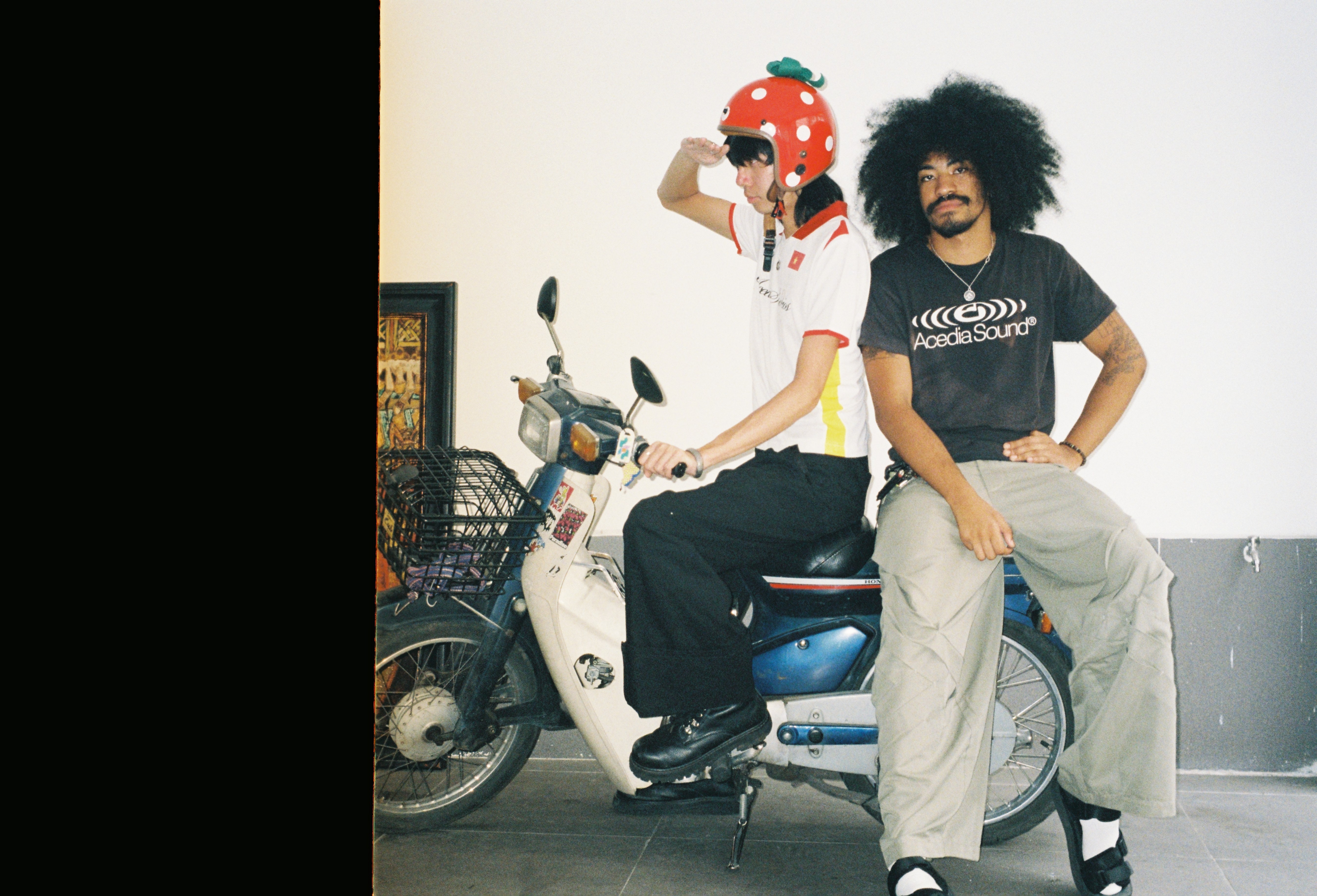
Writing a lil extra for this outro, excuse my sentimentality. What an honor to do an interview in my family's home country! I always imagined that Acedia would one day interview talent from outside of New York. I am eternally grateful for Nam & all of his hospitality. His work is absolutely outstanding, make sure to give him a follow. Additional thanks to the all the other beautiful people we met, especially Lệ for taking some of the photos of the interview! The genuine grit and passion I witnessed in Vietnam is enough to inspire anyone. Vietnam's art world is developing, I ask that you keep an eye out! There is so much future to be seen. - Love, Ethan (Huy)
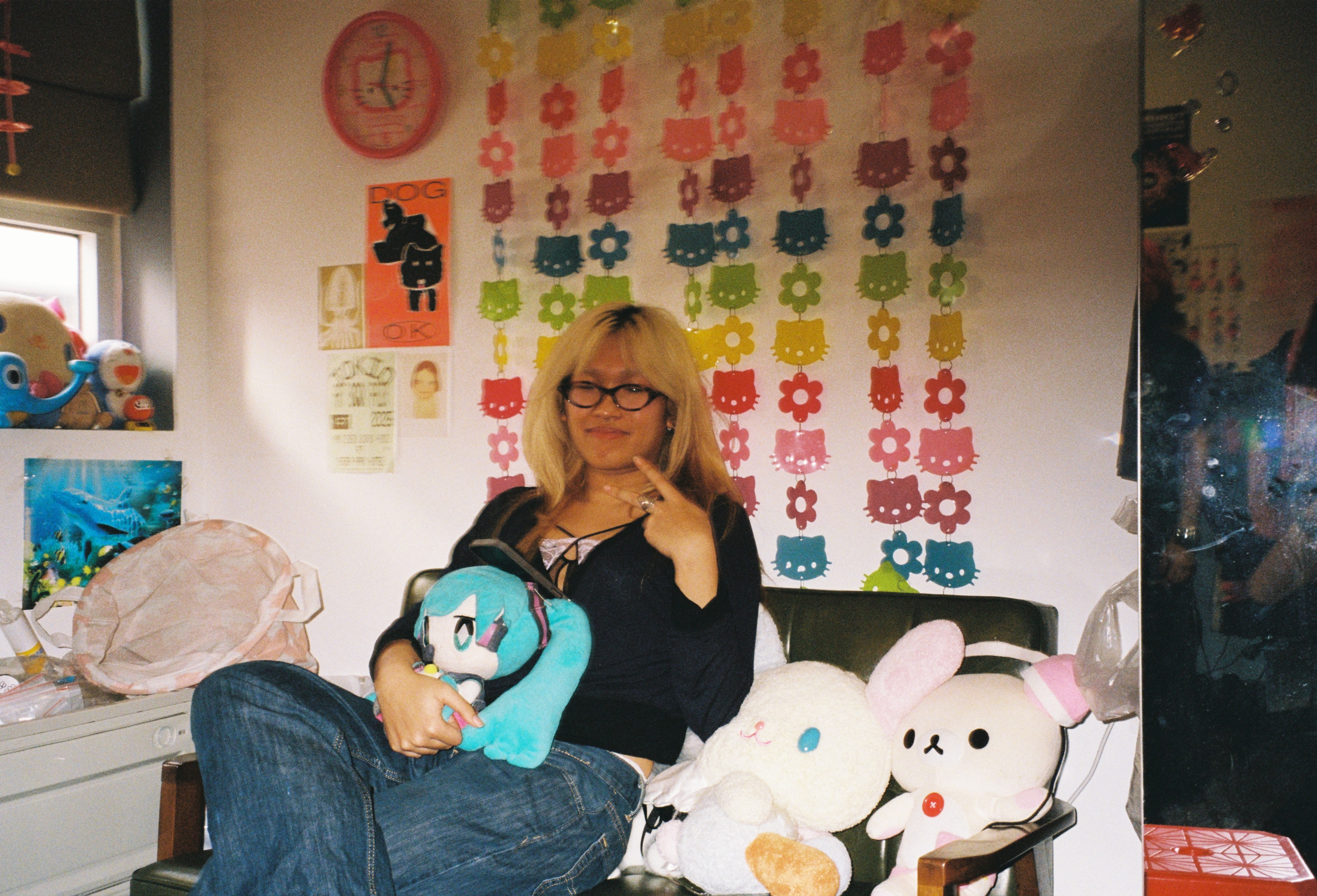
(thanks Lệ, you did good!)
SUBJECT/BRAND
NAM/SPENCER @iamtheangrysons
PHOTOGRAPHER
E&C* @acediastudios
MODEL
NAM/SPENCER @iamtheangrysons
EDITOR
E&C* @acediastudios
TEXT
E&C* @acediastudios