with TIMOTHY
WHO ARE YOU?
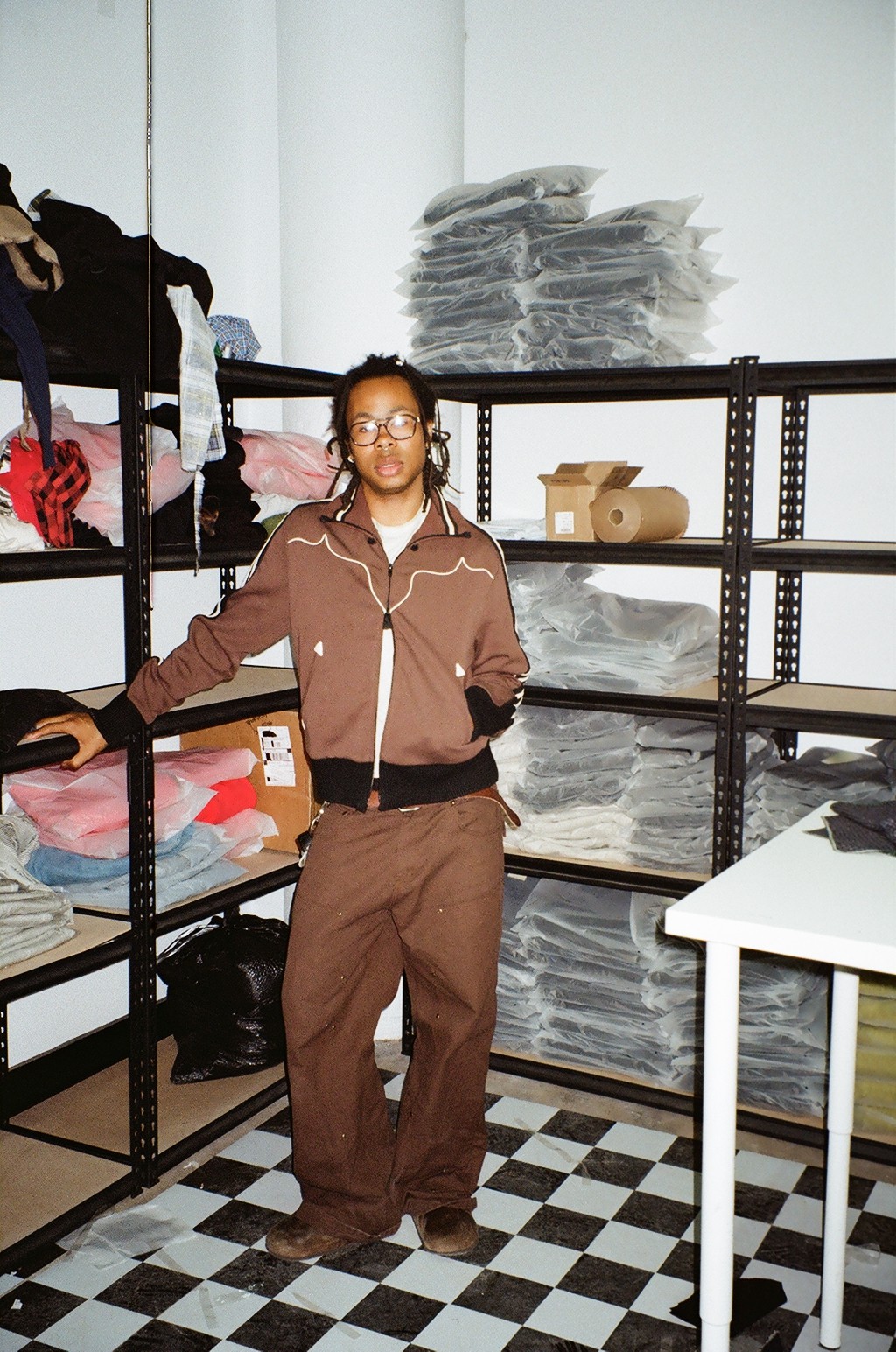
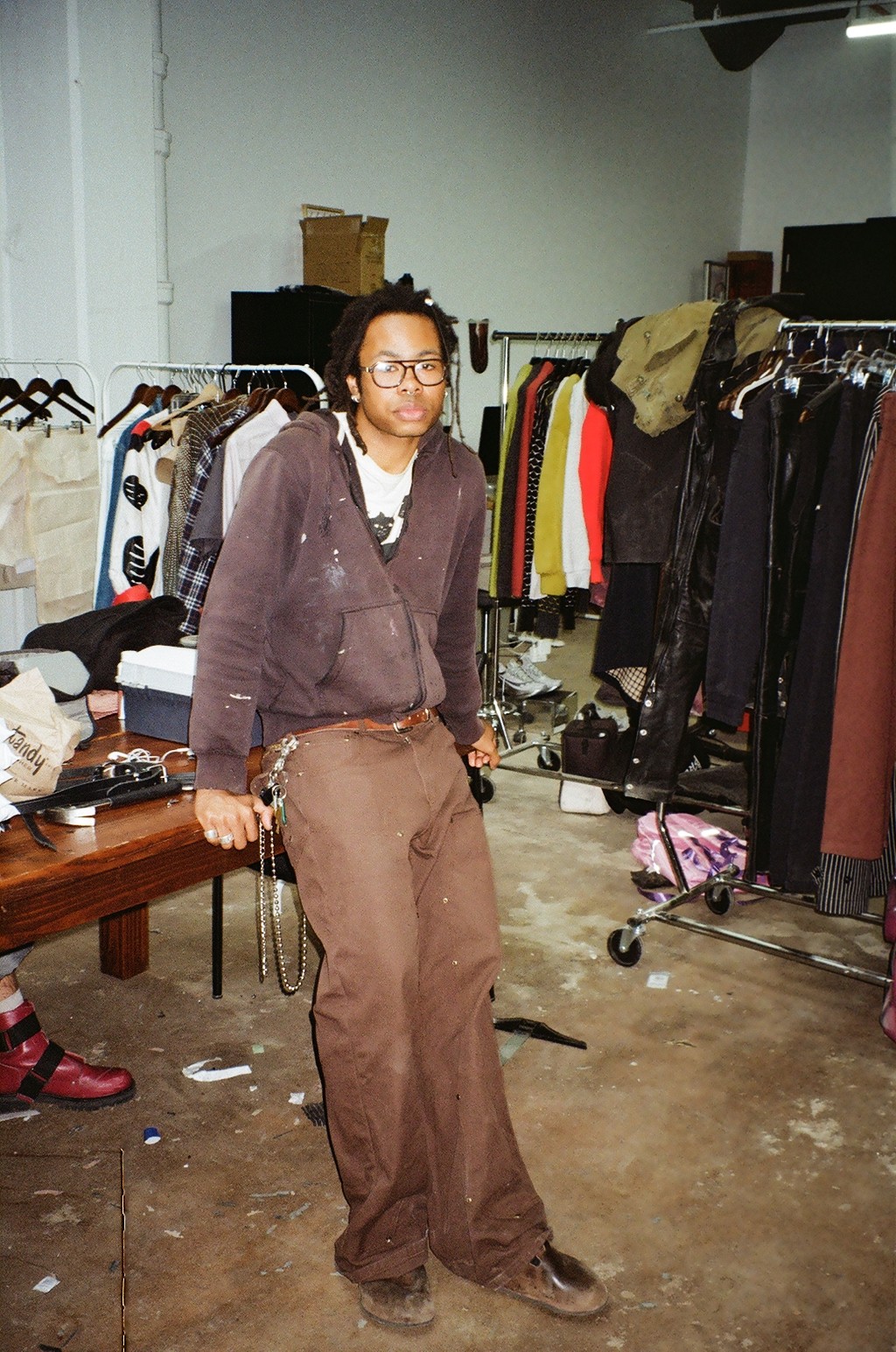
My name is Timothy Glass. I'm a 21-year-old designer from North Carolina. I've lived in New York for about 2.5 years now.
HOW DID YOU GET INTO FASHION?
I'd say all my life I've been doing something related to art. Honestly, something related to either fashion or art. I feel like I've been drawing since before I could remember. My grandmother bought me my first sewing machine when I was like nine years old. I think there were just things that kind of started more as hobbies, as I was like, you know, going through school. And once things got a little bit more serious, and I had to sort of conform to that way of, you know, your parents want you to go and do something serious. That's when I started taking it seriously. So yeah, I guess all my life.
C: Was there any added pressure from your family in terms of like, is your mom an artist, your dad, your brothers?
No, honestly, my mom and my dad are split up, but they're very different in terms of their ideologies on parenting. So, as my mom has always been super supportive, and that's who I grew up with, her and my grandmother. They raised me until I was about 11. Then my dad came back into my life, and he's very, very traditional. So he had kind of set up those metrics of, you know, not necessarily that art isn't like a real career path, but he was much more of a business-oriented person. But I never held any of that against him or anything. I think it was very good that the two sides grew up separately. Either way, he's very supportive. Both of my parents are supportive, but neither of them are artists. They just have corporate jobs.
E: You said you reached a point in your life where you realized you had to pursue something more seriously. Do you want to talk a little bit more about your academic background?
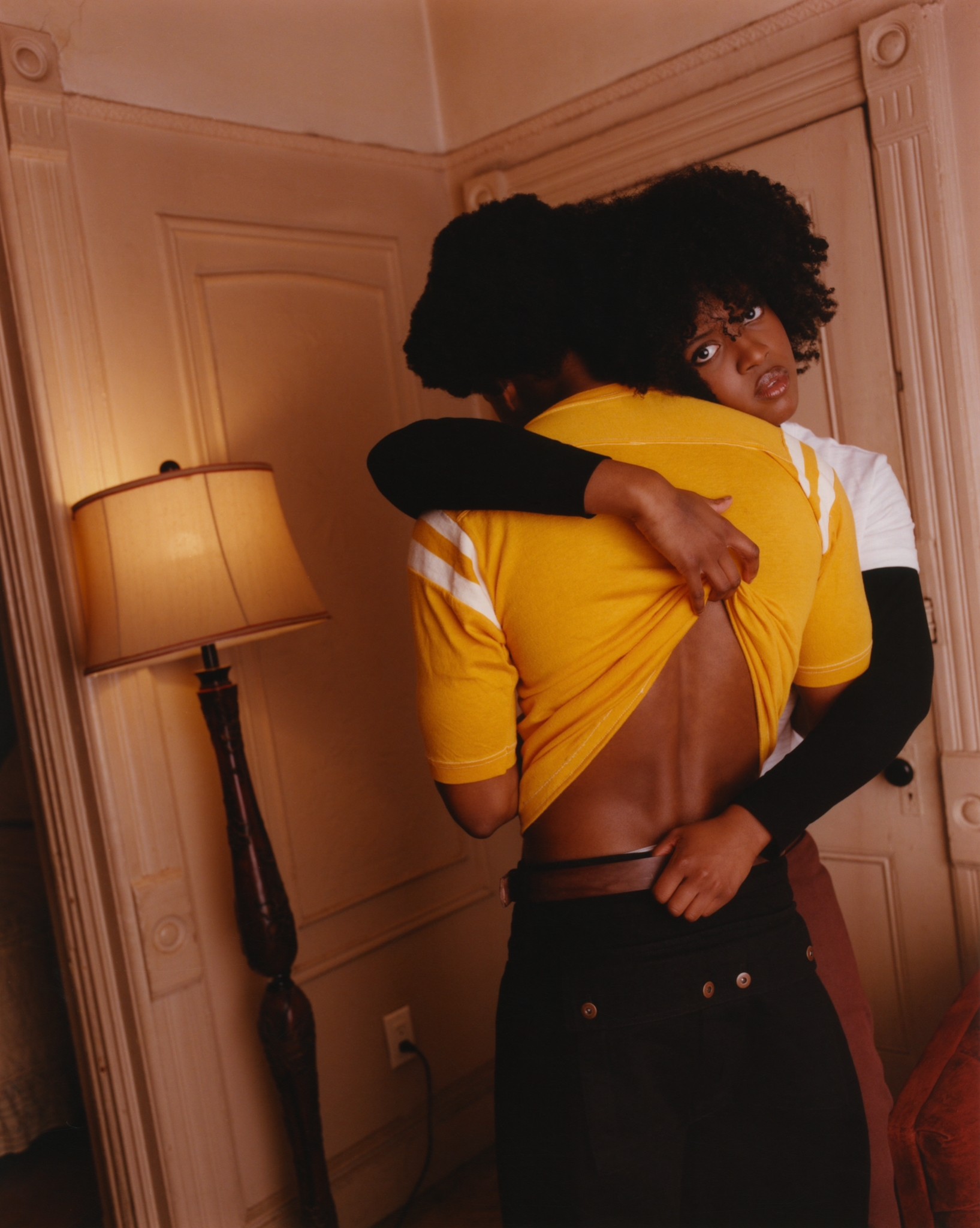
I went to Appalachian State University in North Carolina for a year and applied because it was just sort of the thing to do. I think I sent in my application, on the last day or the second-to-last day. Just because I had never really thought of college as an option for me until, you know, all your friends started getting into school. Everyone starts kind of holding it on to a higher pedestal. I kind of fell into that, like just do what everybody else is doing. I think that thinking came back to bite me once I got to school. I went for studio art originally just to keep painting, and I hated how it was taught. So I switched my major to apparel design, but I didn't like how it was being taught either.
C: And what specifically didn't you like about the academic way of teaching art?
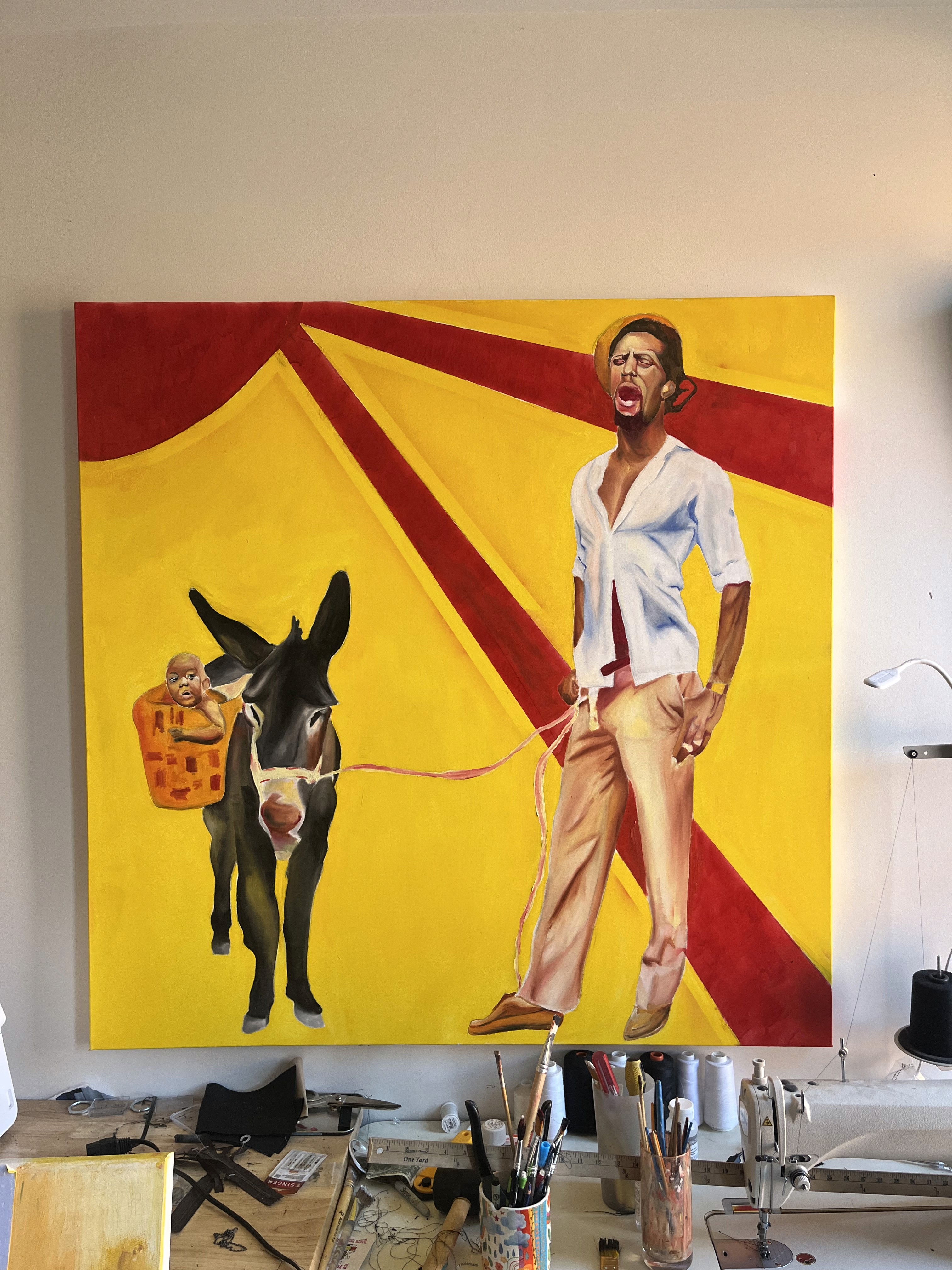
I think I just never had any sort of limitations put on me previously. There were times I'd be in class, and my teacher would put something in the middle of a room and be like, OK, you have to draw this for three hours. I had never had a moment where I felt like I had disliked art until then. I knew that was really, really eye-opening to me. I was like, wait, hold on. This is something that I've loved for so long. How could it be possible for me to actually feel negatively towards it? So I didn't love that, all the deadlines and everything. Which is just I mean, literally like school. There's nothing wrong with that, that’s just how academia is. But the same goes for, like, apparel design. When I switched my major, I didn't love that the teachers who were teaching me hadn't actually been in the field or done anything I thought was cool.
C: So they were making bullshit.
Yeah, like this is not it. So I just kind of wanted to go somewhere where I felt like people were actually making cool things. You know what I'm saying?
C: That brings us into our next question. Growing up in North Carolina, and now you're in New York. How is it? How does the energy of the state that you're in contribute to your creation?
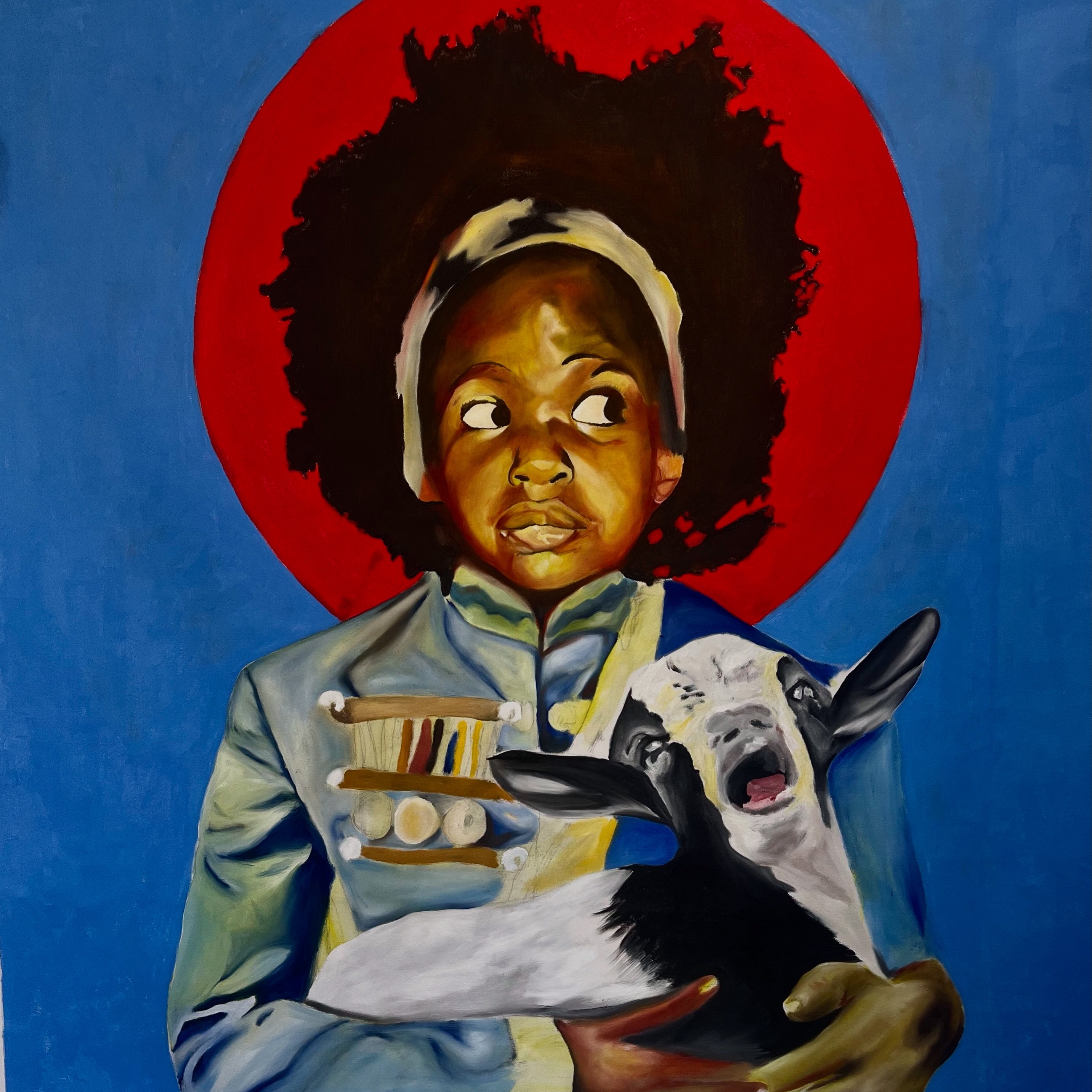
I feel it has a lot to do with my creative process. Personally, I feel like I take a lot of inspiration from my family, and growing up in a small town. If I could describe November or the ethos around it, it just kind of stems from all the living rooms that I had been in growing up. That's almost directly related to North Carolina and kind of slow, super grounded ways of living. I think comparing that to how fast New York is, you have to look back to stay. At least to me, just being used to everything being so slow. Looking back and taking inspiration from the things I would see when I was younger is almost like it's therapeutic in a way when everything here just moves so, so, so, so fast. You know?
C: And then you said you've been living in New York for about two years now.
Yeah, almost exactly one year. April 10th.
C: Does that correlate to November also growing as well? How has your experience been in New York, owning a brand now in the mecca of fashion?
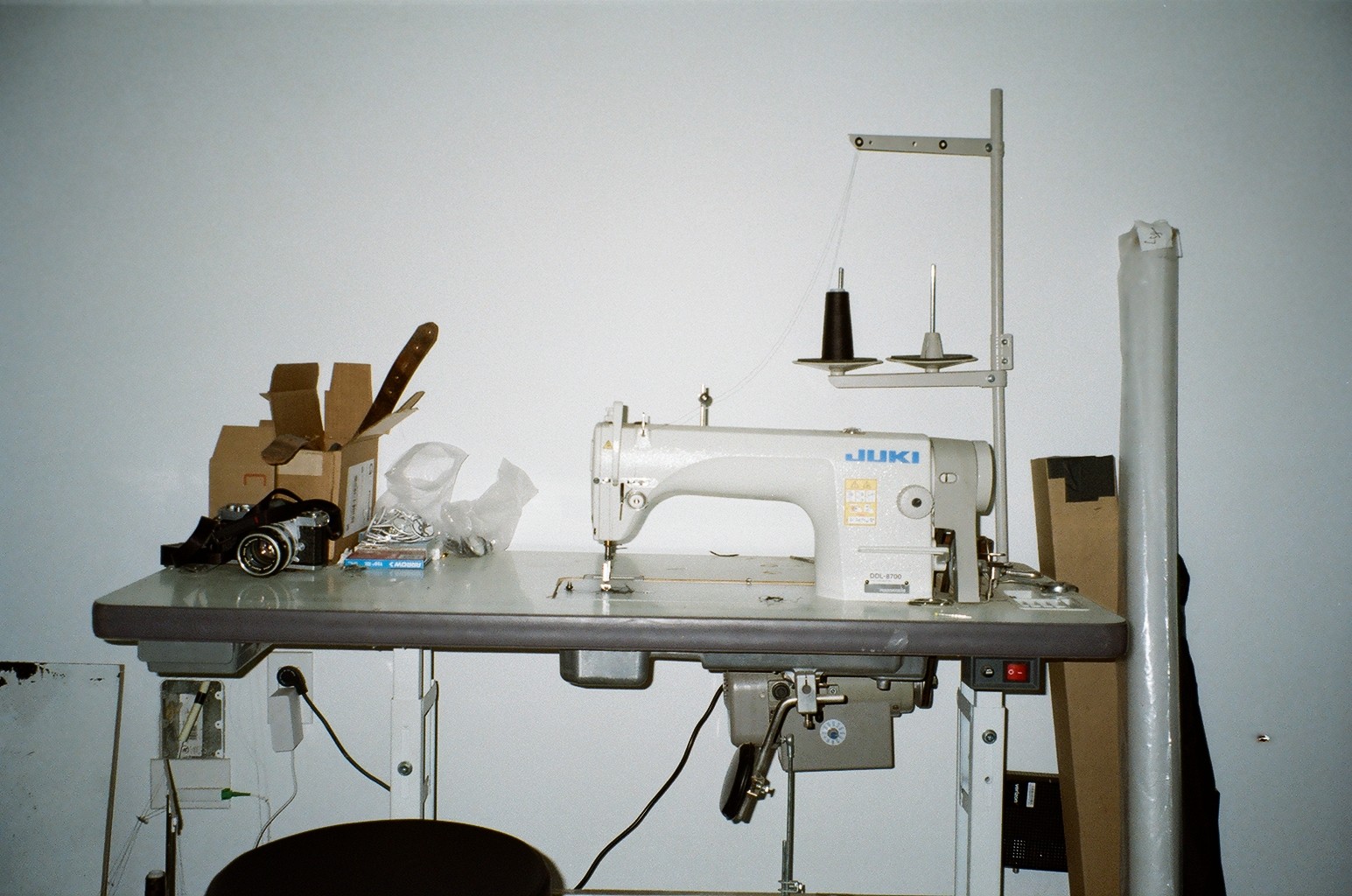
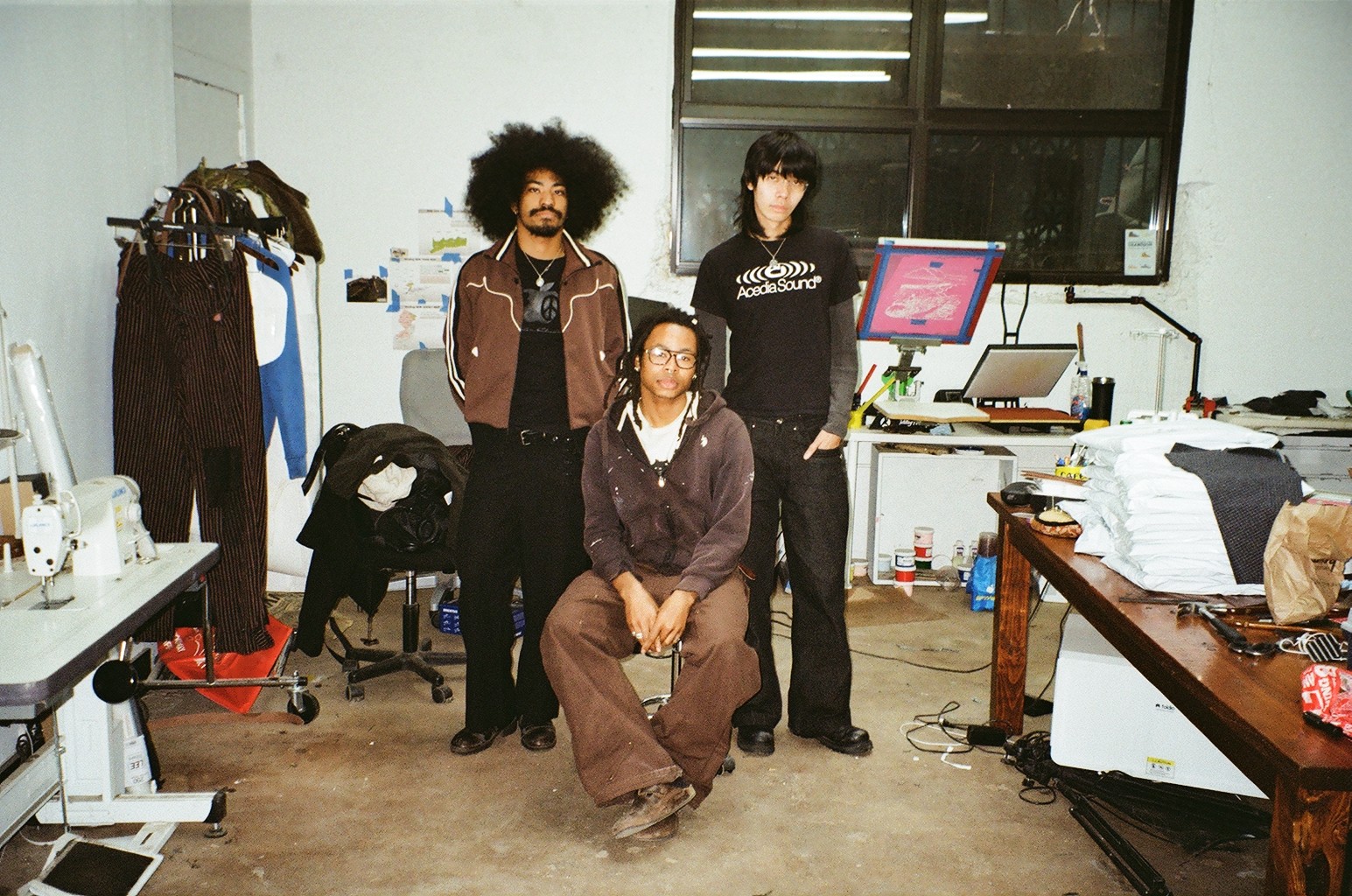
It definitely has. Obviously, it has more pros than cons. Being around other like-minded people is the biggest plus, even being in the studio and getting to share it with five people. Back home, I didn't even know five people who were into the same things as me, so to be at least close enough with people that we could come here and work together every day is super cool. But on the other hand, you get to meet a lot of people that you see online that you think are really cool, then you realize how much they're not. You know?
So like there's a lot of those wake-up calls where you're like, okay, this is something that I've dreamed about for so long, and it's actually not living up to, you know, what I thought it would be or whatever. But I don't know. It's ups and downs all the time, but it's definitely taught me more. I'm motivated all the time because I'm just surrounded by creativity or people who are doing what I want to do, or similar things.
E: Kind of reeling it back into that transitory period of your life, you mentioned that you were doing commissions during that time. How did that start?
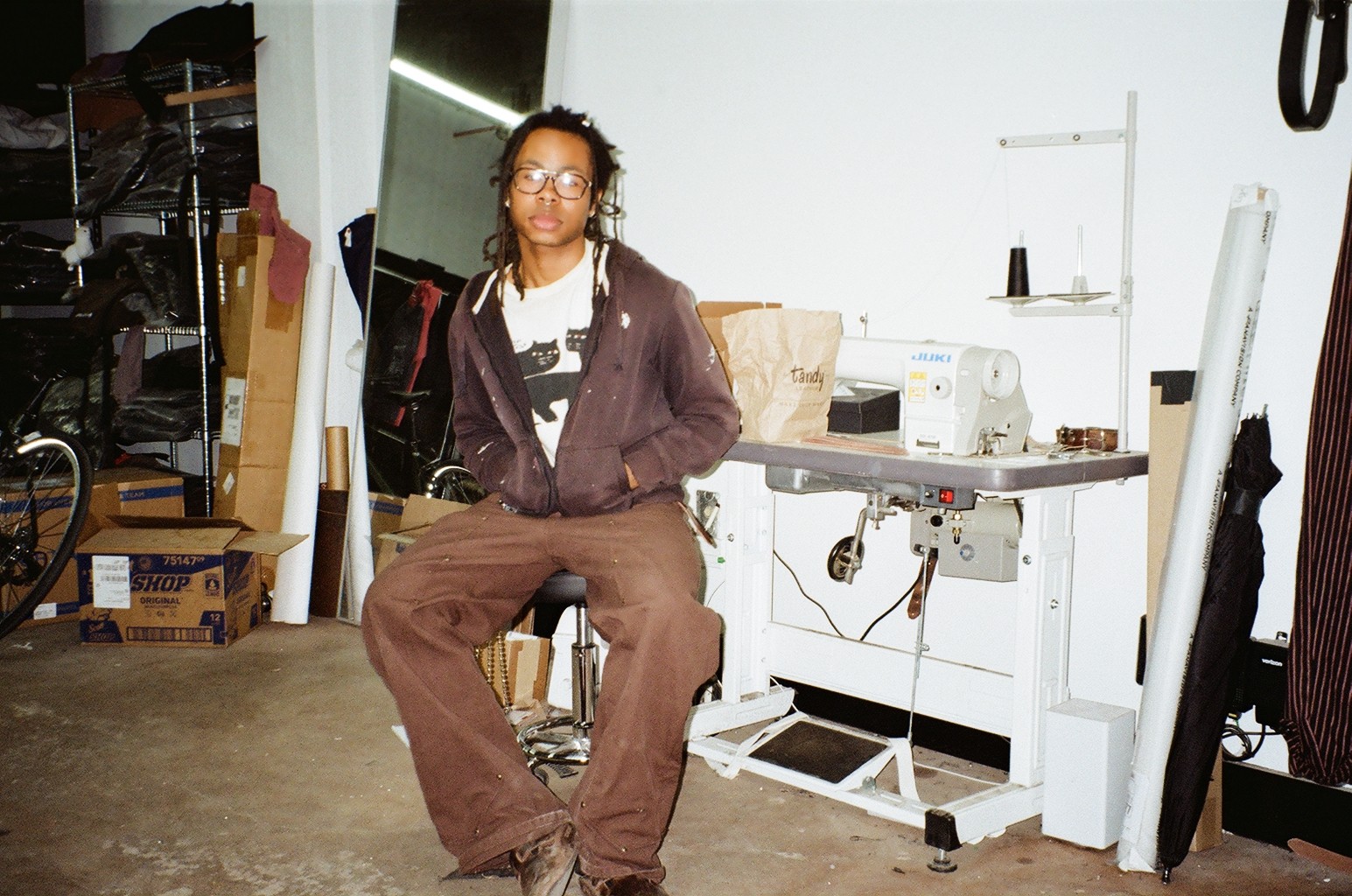
It was kind of a mix. Even now, whenever I do a pattern for a new sample we're doing, it always starts with how a garment would fit on me. That's how I started sewing, like obviously you start sewing garments based on your measurements. I think pretty quickly after I started sewing, I just wanted to see how things would look on other people. So when I started doing commissions, that was definitely the most rewarding part of that whole process, seeing how other people would wear them. It was definitely a lot. I spent a whole summer sewing, as it would just take up my entire day. Each pair of pants would take around six hours to complete, and I'd get maybe 15 or 16 orders. I didn't fully love it.
E: Was this back in North Carolina?
It started in North Carolina, and I think I did like two drops there before I moved. Then I was doing commissions in New York up until the summer of or the winter of 2024, beginning of 2025.
E: It puts food on the table, though.
Oh, absolutely. Sometimes, I'll kick myself for even complaining about that. It's like I still get to do what I want to do, you know. I can support myself and that's fire.
C: Yeah, but imma complain though.
Imma get it done, but you're going to hear about it.
C: I got mad shit to do today.
That's what I'm saying, dude.
C: As I'm eating steak and lobster and shit.
C: But yeah, so you mentioned you originally started creating for yourself. But now you have to think of what the consumer wants to see and what other people want to see. How has that reflected in your design process? How important is the consumer's reception of your clothing ingrained in your mind when making new patterns, new color ways, and doing all these things? Or is it more that I'm going to create what I want? If they like it, they like it.
I wish it were like that, to be honest. I think I'm starting to lean more towards that now. But honestly, once you start recognizing patterns and how things sell, it's kind of inevitable. It's just kind of ingrained in you.. Whenever you design something, you have to think about, you know, who will buy it. Otherwise, you can't pay rent. As the business has grown, I've gotten more comfortable being myself. But I think within fashion right now, a lot of people, at least when you're small, it's like the more basic, the heavier it'll hit. So I was trying to kind of play around with not doing too basic, not anything too complicated. Because it's just you never know how things are going to work. I honestly think that there're risks that I could have taken that would have been fine, that I just didn't because I wasn't used to even putting my stuff out there like that. But I don't know. I feel like it's something that I'll probably battle with forever. But it's okay. It's good to work under restrictions sometimes, too. I think it makes you a better designer for sure.
HOW DID THE BRAND START?
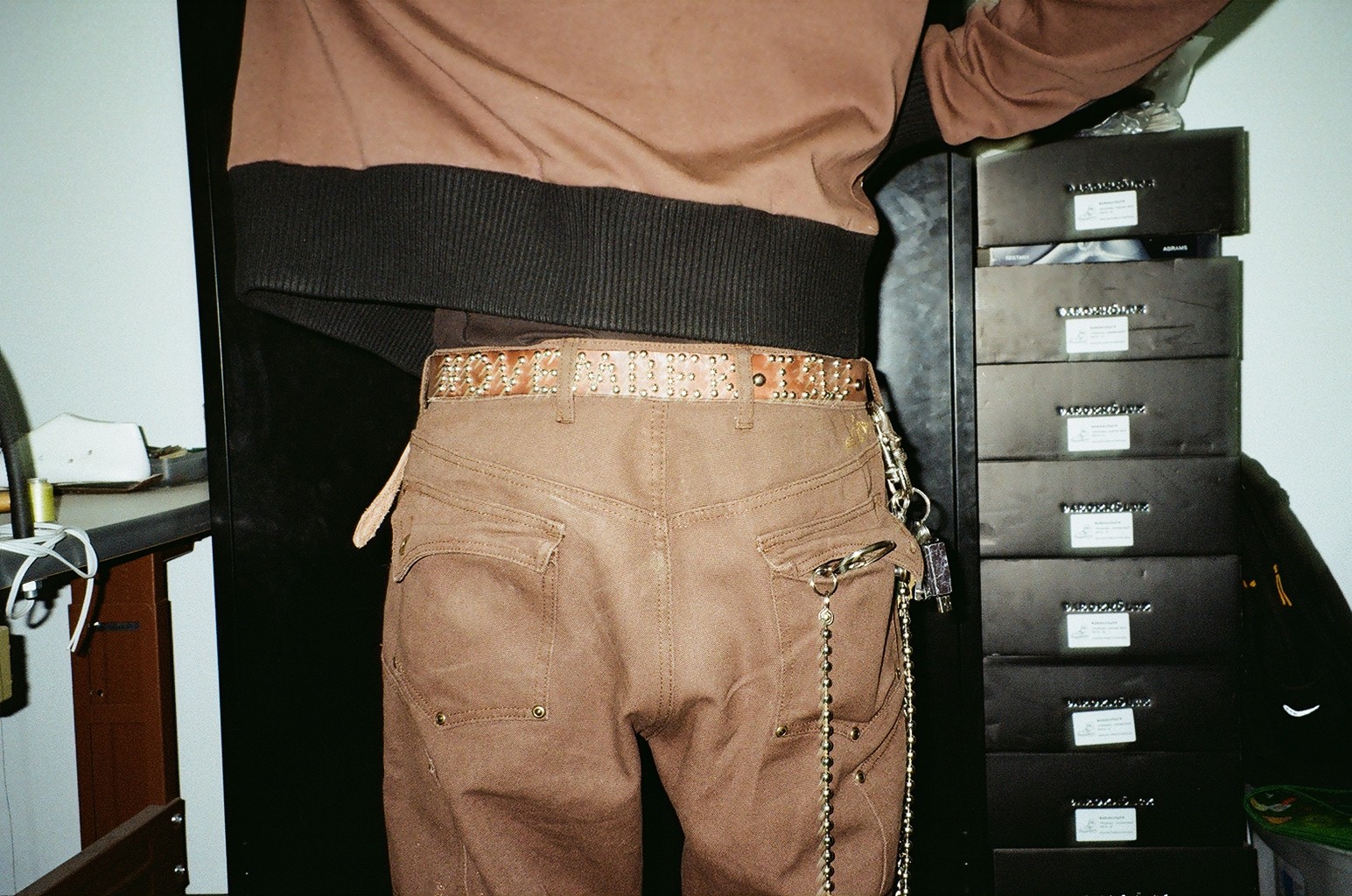
I started in 2024, that was the first release. But I had been putting the phrase just on anything since I was like 14, 15. Because I went on a cruise when I was younger, I wanted to make short films, and I was just super inspired after my situation with this girl. So I was like, all right, I'm going to put November I Still Love You on pretty much everything. Just because I was an edgy kid, bro.
C: It always starts with a girl.
Nah, I'm saying. But like, honestly, I had just kind of gotten used to seeing it everywhere. I do think now that I'm older, and a lot of my work kind of stems from nostalgia and reflection on the past. I think it just fits, and it's something that's kind of like, I built a home in. So I don't know, people ask me if I'd ever change it, and it just hasn't felt right to. So, yeah, but I guess the name has been around for a while. But the first release was like 2024. That's when I'd say November really came to be independent, like this is what I'm doing now.
E: But does that girl know it's all for her, though?
She doesn't know.
C: You don't want her to know?
No, no, no, no. No, okay, so the whole thing was like-
E: She could know or not?
Nah, basically, I met her on vacation. She gave me her number. I texted it. Crickets.
E&C: Damn.
Yeah, so that was like the whole thing, and it wasn't serious, bro. I was like a 13- or 14-year-old kid with a crush.
C: Well, you said it was on a cruise? Cruise is real love, though. You meet someone on a cruise that's real, though.
E: She didn’t respond to the text
I thought this would be such a good short film, that's just like the vibe I was on. I wanted to be a director so bad back then. I miss when that was the only thing you had to worry about, bro.
E: Now your girl won’t text you back, and you gotta pay rent.
Exactly, bro.
C: Eggs are 24 bucks. Shit, it's really serious out here.
EARLY DAYS
C: But yeah, so you said November started around 2024. How would you compare the workflow from this most recent drop to your earlier ones? Have you picked up any habits that stuck with you and are now part of your workflow?
Yeah, I think I'm a lot happier now because I can focus more on the things I'm passionate about and creative direction. I've learned over the past two years that I just don't really like sewing or the process of getting a garment to its final stages, to be honest. I think I'm more interested in the set design, building the crew up, and really trying to tell a story through photography, video, or anything. Designing clothes, point blank, is what I'm really, really passionate about. So I think I can work a lot faster now that I'm getting things manufactured. I work with one photographer all the time, and he knows how I like things done. People understand me better, how I like things color graded and work with models who sort of know what they're doing. I've also gotten better at explaining what I want. I think that's like how it differs a lot. Before, I'd work for like three or four weeks straight. I didn't really, I didn't have the luxury to focus as much on the creative direction, or even put money into it, because all of that was going into just manual labor.
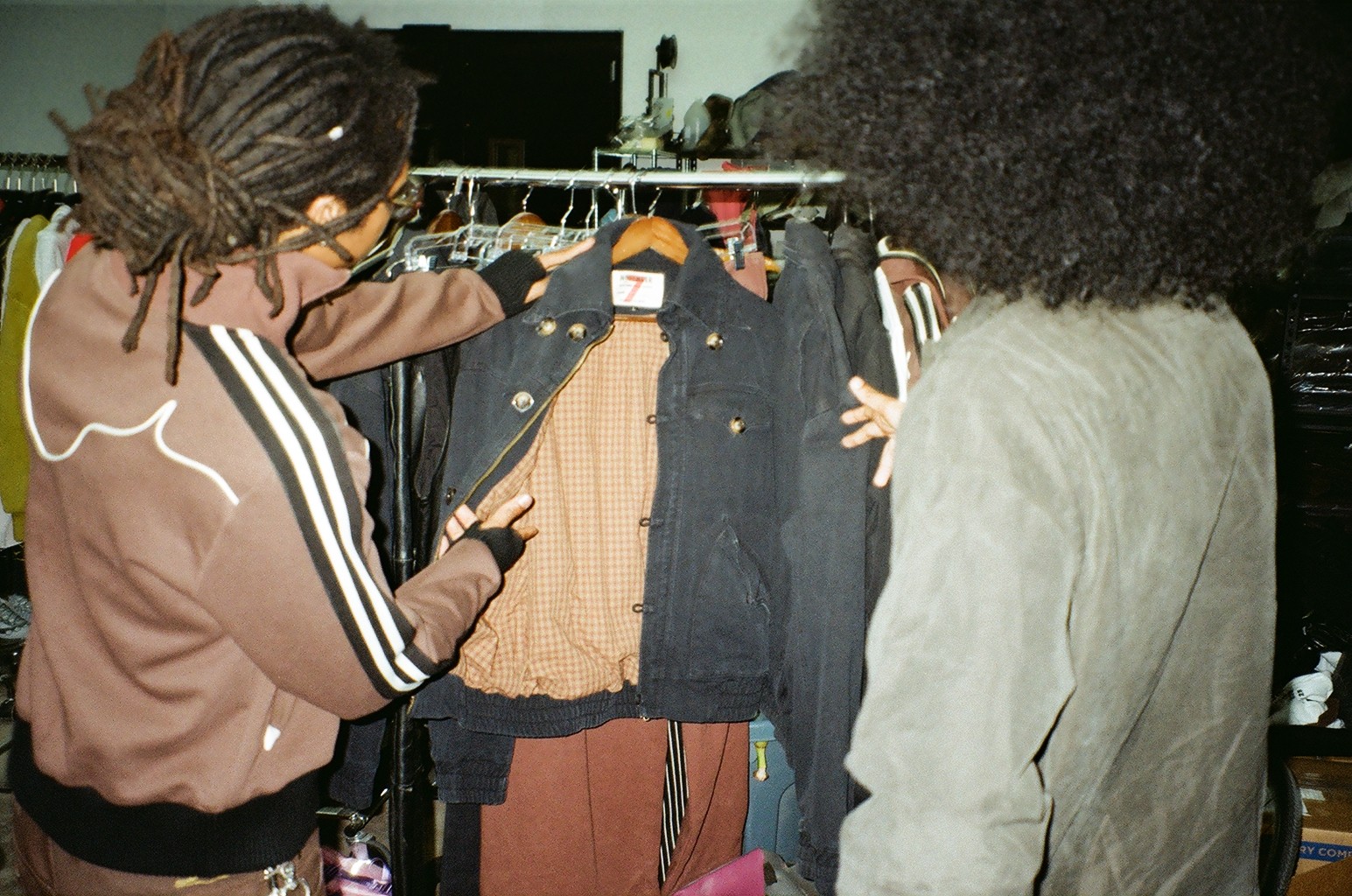
E: I wanted to talk a little bit about that process of changing it from a commission basis to something more wide-scale production. Is there anything that you miss?
Honestly, I wish I could say yes, but not really. Now that November is pretty much my full-time job. Painting is kind of my way out. Yeah, how do you differentiate between promotion and pure expression? That's kind of how I feel about painting, where November is my way to kind of allow myself to do these like product projects with models and photography and videography and clothing design. But painting is just kind of that, it's completely my own. It’s not collaborative. So, you don't have to really worry about anybody buying anything. I don't know if I really miss anything about those early, early days, because I would also spend like seven hours on something. Then, people would also constantly ask me where their order was, which is fair. sSow fashion is much more ethical. But from a consumer's perspective, a lot more people are impatient.
E: They don't understand it.
OPENING UP THE TEAM
C: How is it working with a team that you've created on a project so close to you? Because you said November is like every living room you've lived in before. How is it letting somebody else into that?
That was actually one of the hardest things, I think. When I first started the brand, I was kind of naive and thought that brand owners did everything alone. That was initially what was attractive to me about that. I wanted to do all the videos, all the designing, all the overhead. I want to take it all. Then you pretty quickly realize that that's pretty much impossible if you want to run something that's sustainable. So it actually took a while. I was shooting everything myself up until August of 2025. My homie Lux had moved here, and we had just been hanging out and talking, and he became one of my best friends. He's been a photographer forever. He was basically just like not even talking about himself. He was like, dude, you need someone to do this for you. Like, if you're talking about not having time to design, more literally anything else. We just kept talking back and forth, and eventually he was like, bro, just let me shoot it. He handprints everything, and his process definitely wasn't something I could afford back then, when he started helping me. But I definitely lucked out by meeting him and with how talented he is. He's also introduced me to how special analog photography is, and that entire process of darkroom printing, hand printing, and all that stuff. He's the only person I've necessarily let in, to be honest. But I'm now definitely more open to it in the future, since it’s impossible to take everything on alone.
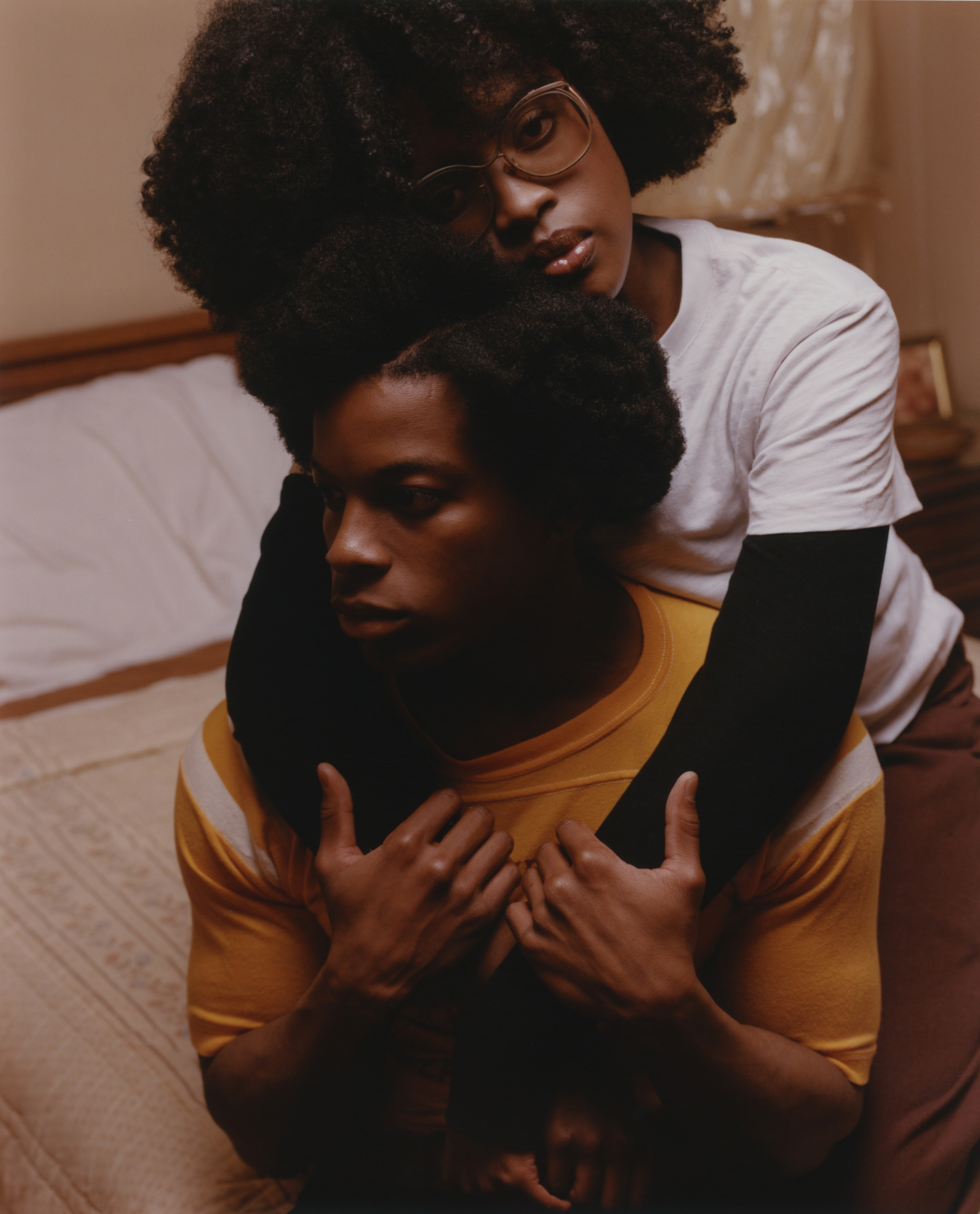
C: Shout out, Lux, man.
Nah, for real, bro.
C: He's Viet, too.
Landon: You can say he Luxed out
Wow.
C: I'm hearing that. I saw him giggling at the back too. How long have you had that loaded?
Landon: I thought that shit while you were speaking, but I wanted to give you your moment
E: Do you want to talk a little bit about your design process then?
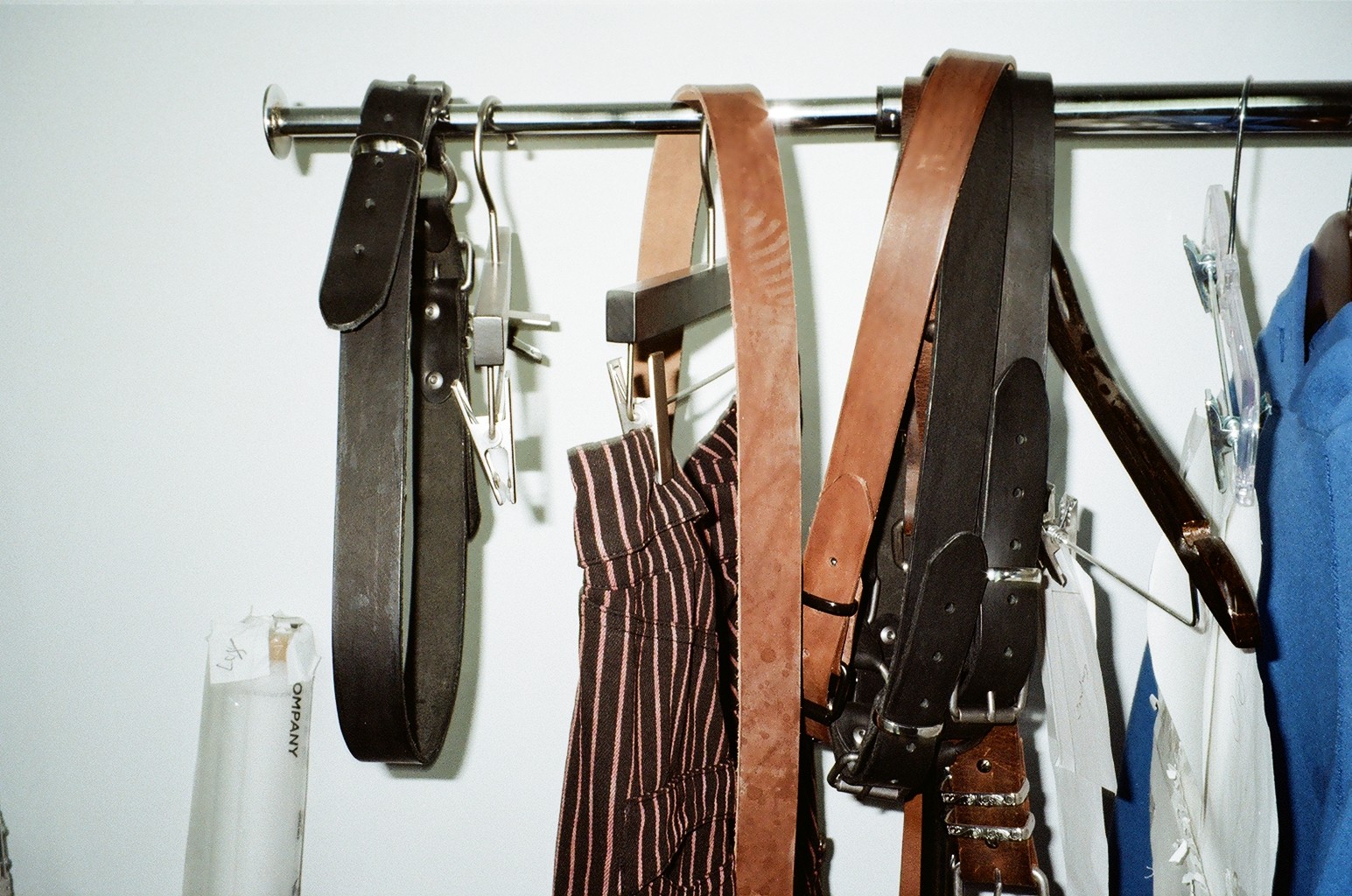
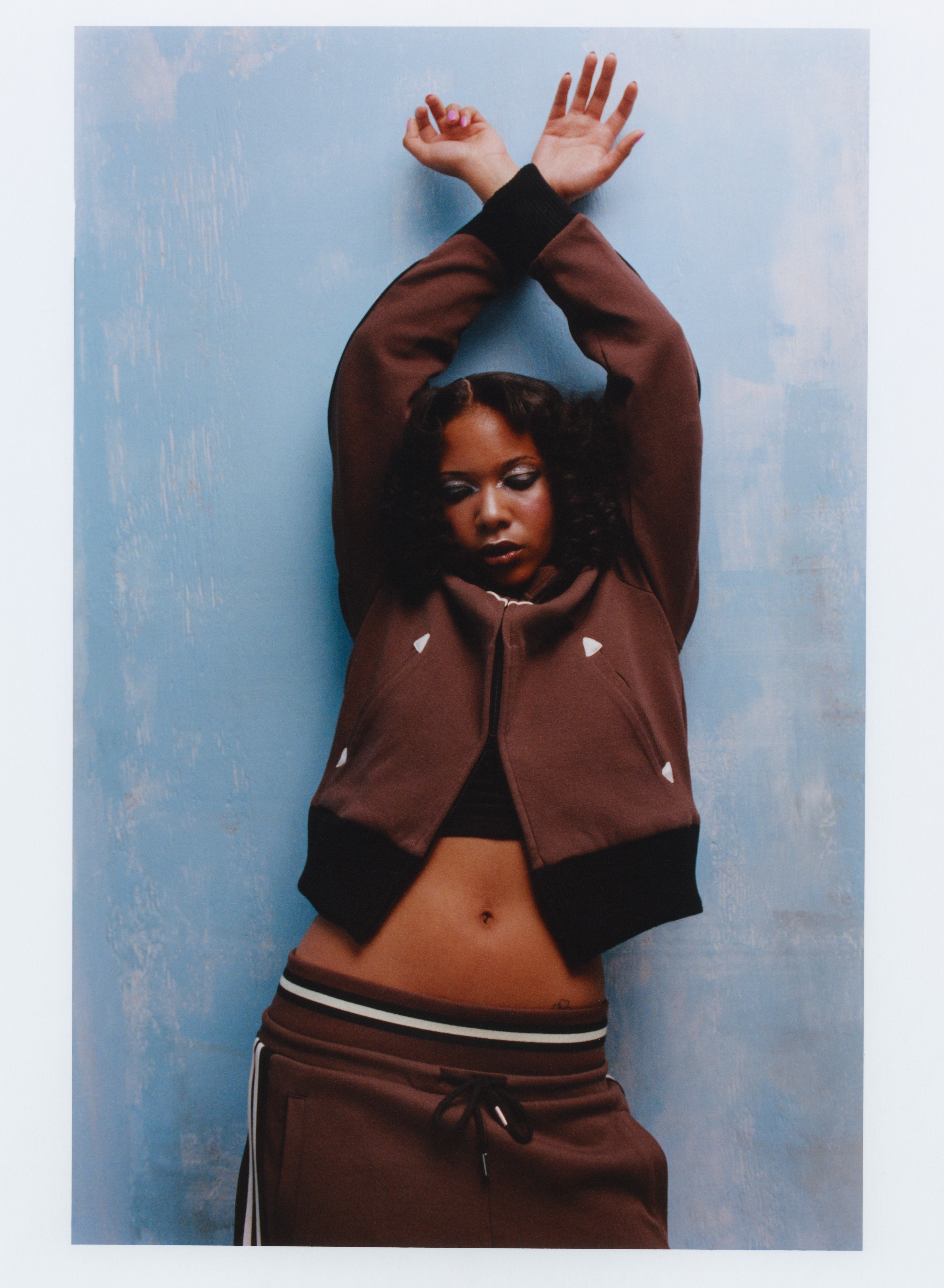
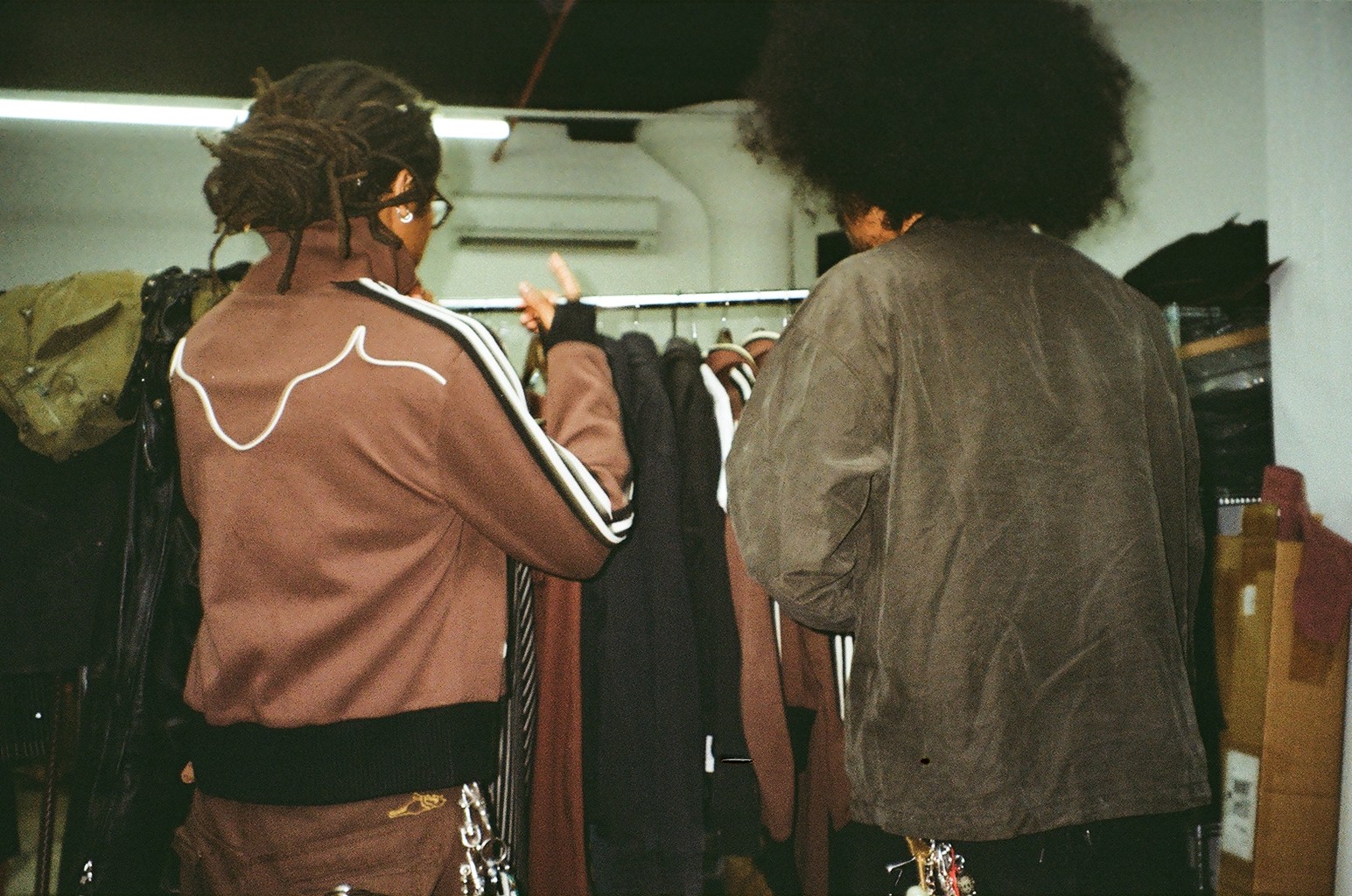
It's pretty much different every time. I feel it's the same as finding inspiration from anything. Like it'll all come from different places.I take a lot of inspiration from utilitarian clothing, military wear, but also just like clothes that I would wear when I was younger. Or communities that I was a part of, places that I was at. With the bondage belt, I was completely inspired by a lot of the people that I would meet while I was going out. When I first started kind of getting into playing music back in college and getting into that sort of nightlife scene. I don't know, it differs all the time. I feel like I'm still in the very early stages of running a brand and designing to where I'm just drawing things out and seeing what works, what doesn't. It was the same as me painting, it was drawing from either things I'd seen when I was growing up or things that I see every day.
INSPIRATION
C: How is your taste developing throughout the years? You spoke about certain things you saw growing up? What are those things? Do you want to dive a little bit deeper into those inspirations or moments?
I was talking a lot recently about how Janet Jackson kind of shaped or formed my mind when I was younger. Because that's all my mom would play. Um, or not all she would play. But she was just kind of like one of those artists that stuck out to me. Same with Michael Jackson.
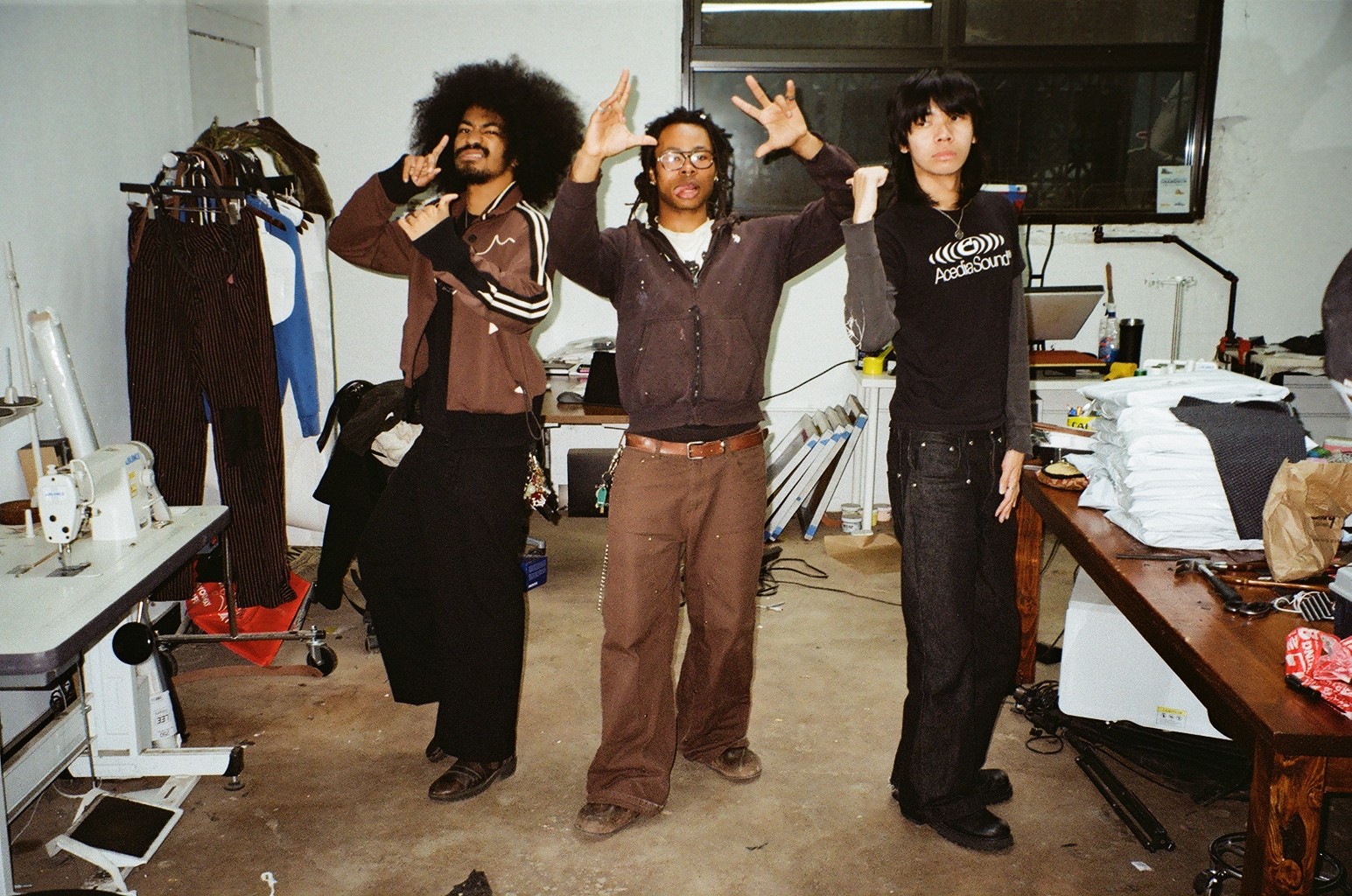
C: You going to see the movie?
I saw it yesterday.
C: Was it fire?
It was good. Have y'all, seen it yet?
C: Nah.
You should see it.
C: But like it's such a weird time for it to come out.
E: Why?
Like they should have done that shit like eons ago.
I was surprised that, out of all the biopics that have come out within the past 10 years, we got a Michael Jackson one so late.
E: I feel like they were giving him time to become like the historical figure.
C: But like, ever since he dropped, he has been a historical figure.
Niggas don't play about Michael Jackson. Like if they were to make a biopic, I feel like that's not something to tread lightly on. They probably had to take some time, just to do it right.
E: They needed his nephew to grow up.
Nah, he played the fuck out of that role.
C: Oh, okay.
E: They HAD to wait for his nephew to grow up.
It was actually so fire. I'm not going to lie. There were times when I was in the theater where I was like, this nigga might actually be Michael, bro. It was crazy. I fucked with it, honestly. It was a little corny at times. Like you could definitely see that they were trying to paint him in maybe a better light than how he actually was as a person. But like, either way Michael Jackson is like Santa Claus to motherfuckers. If they had done anything to like diss him, then ratings would have gone straight down.
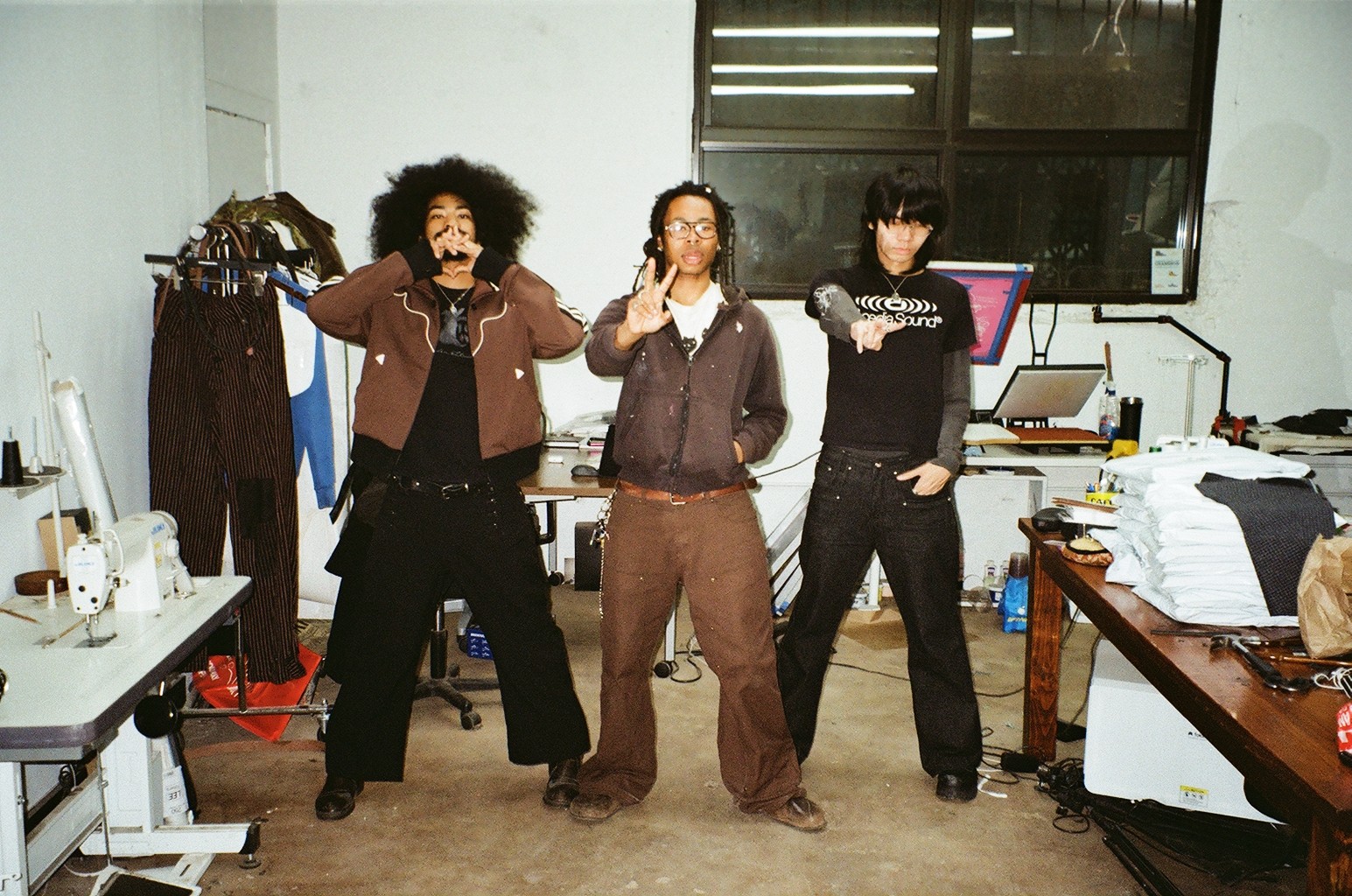
C: Yeah, and he crip.
E: Was he?
Yeah, MJ crip.
What?
C: Yeah, do your research.
What?
C: He's crip, He's certified.
E: Can someone fact-check that?
E: But Michael Jackson, that amount of fame, like nobody has ever come close to that ever again. That's like pre-internet shit.
C: So you're not saying Drake there?
E: Drake could never be there. Have you seen that they were like smashing up the ice in Toronto? That's the shit that Drake fans do.
[Laughter] I'm lowkey like one of the biggest Drake haters ever.
E: For real?
Landon: I love Drake.
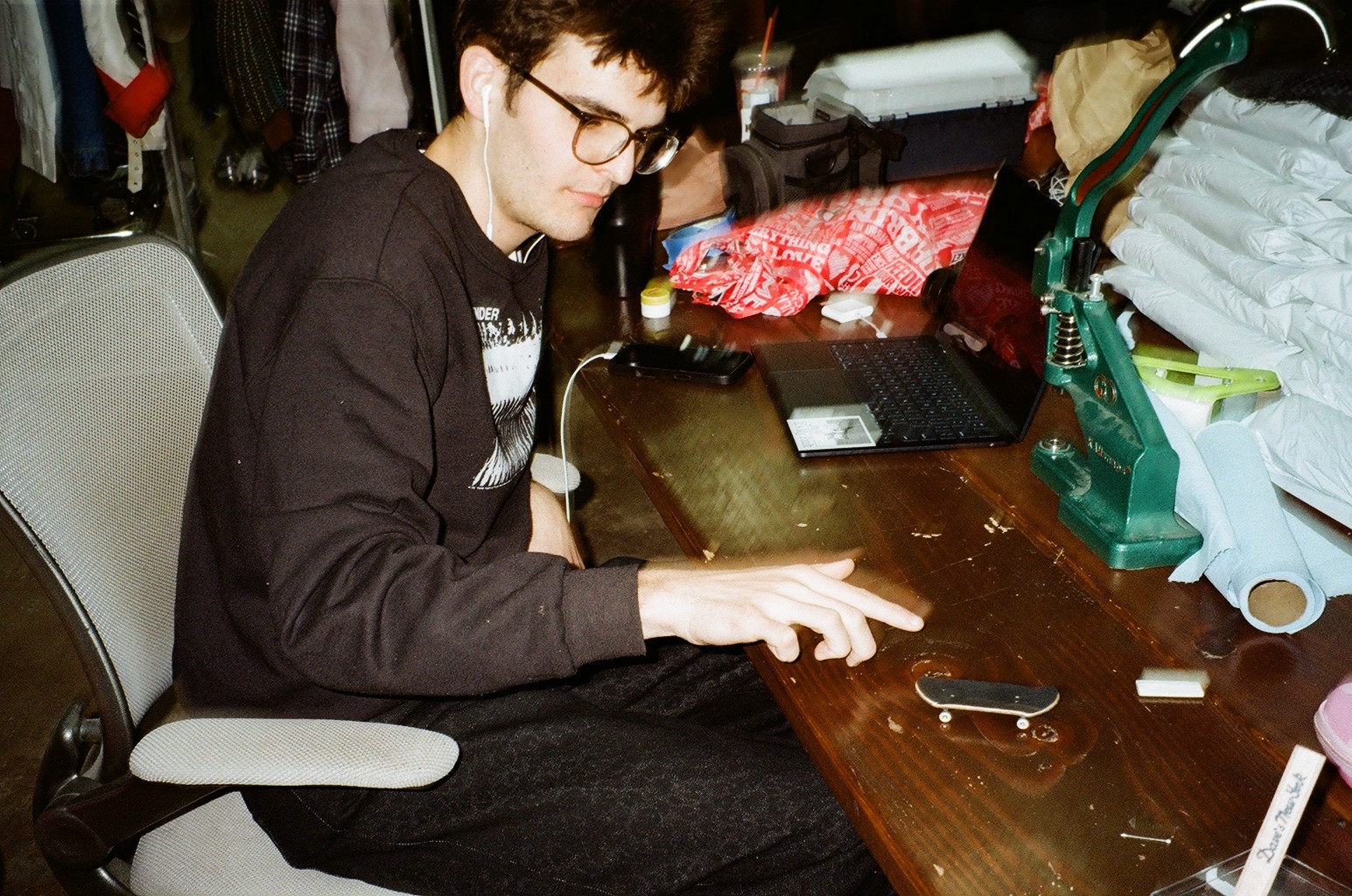
(Landon who was also doing tricks on his tech deck mid-interview.)
Nah, that's fair though. See, that's the thing. Like I always understand, like when people have that debate, like when I'm always talking about how I hate Drake, it's mostly because he's just like an evil light skin.
E: You can not like Drake as a person, but I don't believe there's anyone out there like in the world that likes there's not at least one Drake song.
Very true. I still got Drake all over my playlist, bro.
C: You spin any Drake?
Fuck no.
C: Not even "Passionfruit"?
No, it was that song on that little electronic album that he was doing. You know the song "Callin' My Name"? Like that's a good song. you can't have like 2010s music without him.
E: You gotta give him his flowers.
C: Yeah, he's a pillar of the 2010s.
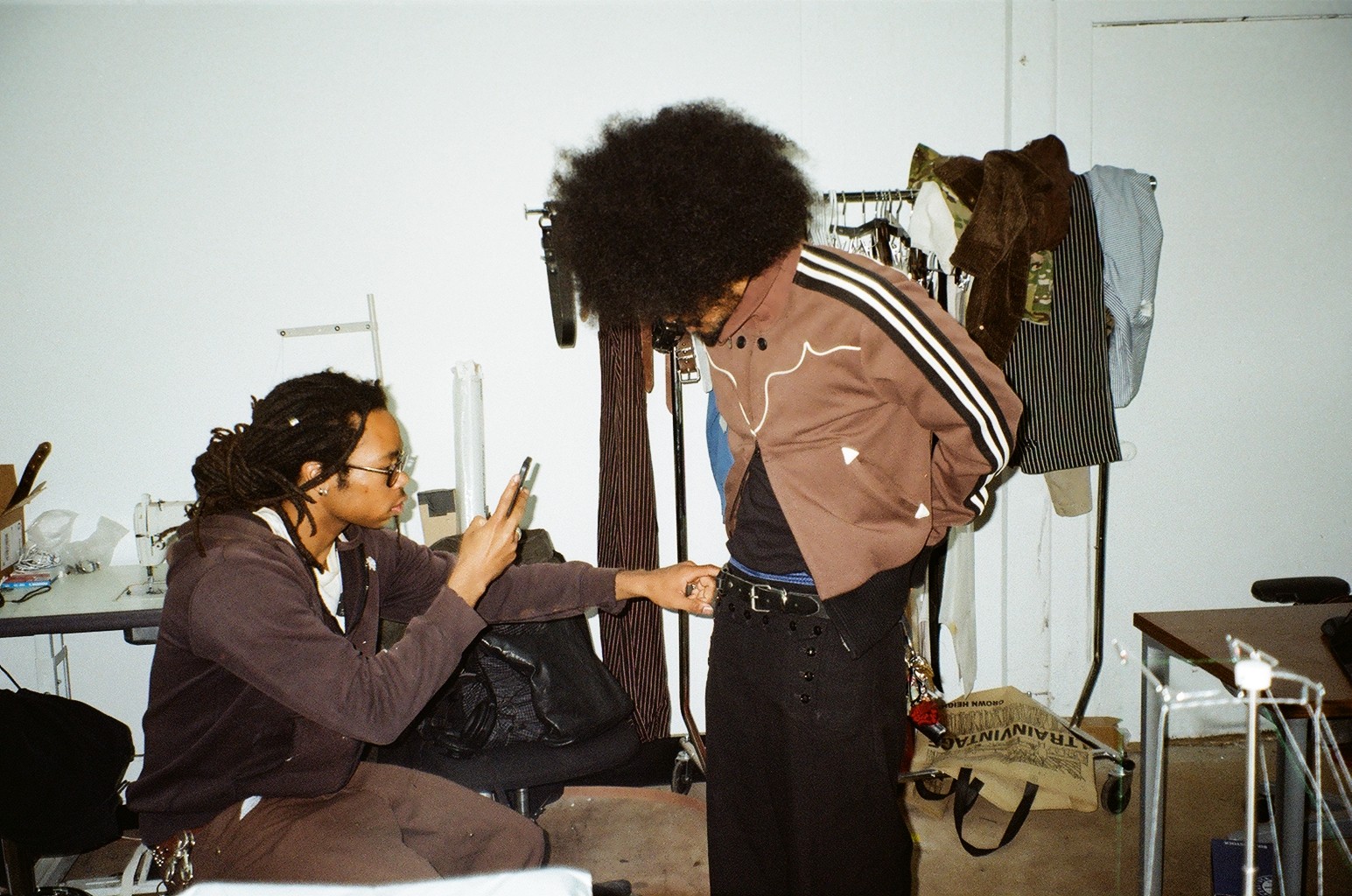
E: Would you say Drake is one of your biggest inspirations?
C: Yeah, do you say Drake made November? Is that why you were feeling that way toward that girl, because you were listening to Drake?
Drake helped me through that whole time, bro.
C: I'm saying.
Cups of Rose.
E: Marvin's room on blast on the cruise.
C: Texting my girl, talking about-
E: I know you see this.
C: Nah, we've all been there.
Drake is definitely that dude. He's just that dude that I hate.
C: Yeah, but that's fair, though.
E: What were you even talking about?
C: Michael Jackson. Janet Jackson.
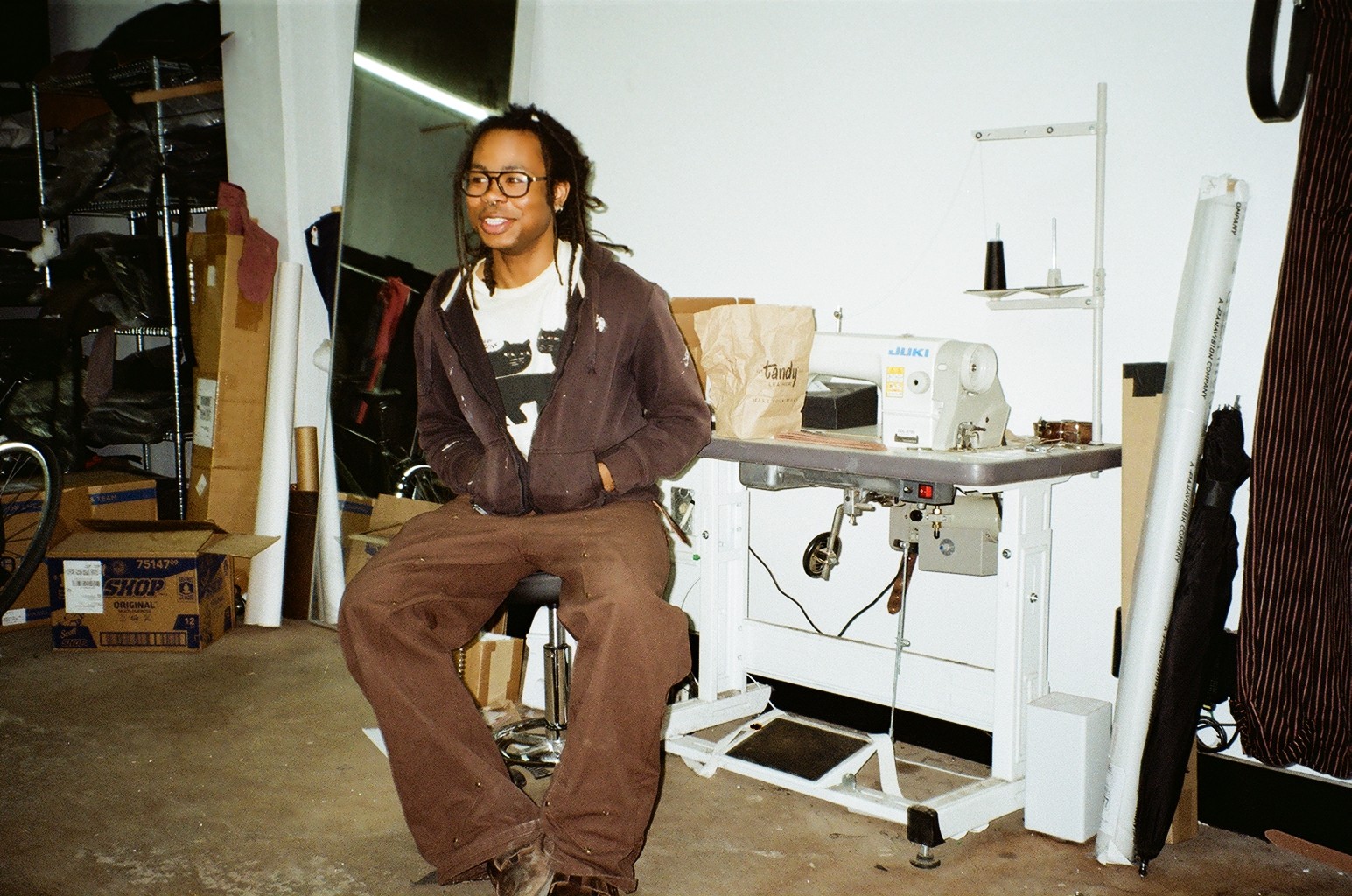
Oh, yeah, yeah. Like the whole color palette, I feel like Janet Jackson throughout the 2010s was something that was so good all the time. Like the models and everybody, the representation that comes along with young kids watching her videos is like super fire to me. I think through that, like I'm not the biggest Janet Jackson fan, but I credit her for providing that segue moment for me to like watching others just like black movies that I love a lot. So, yeah, I forgot what the original question was.
C: Just inspiration.
E: You could also like name designers, places.
Dina Lawson as well. She's a black photographer. Just a lot of things that kind of give me that sort of home feeling. I feel like, you know, stuff that like videos that you play when I was getting my haircut when I was like 12 or something. Anything that kind of matches that vibe that I love a lot. Obviously Wales Bonner and Martine Rose, for the way that she kind of plays into nightlife. Black artistry, I think, is super great.
E: We could say, etc. Then you could add on, and Drake.
C: Yeah, but in bold letters, though,
E: I got to be playing Drake when I'm designing.
C: Shit, I ship out orders to Drake.
No, like, yeah, unfortunately you can put some Drake on it. Anybody can have a good time.
E: I'm saying.
C: You're pushing this agenda,
E: Because my ex was like, I don't like any Drake song. That's not true. I just didn't believe it.
Yeah, that's impossible.
E: You can't say that.
That's absolutely impossible. She probably likes Drake songs. Don't even know the Drake song.
E: That's what I was saying. I was like, if I put on a song and didn't tell you it was Drake, you would like it. Then if I told you Drake, you didn't like it.
C: I'm dead. So far away. So far away from the actual question.
E: This is good journalism.
C: Yeah, we need to know Timothy about Drake. I'm saying that's what the people are dying to know. You know what I'm saying? Not what the next drop is, but why he sets his prices the way he does.
E: But how does he feel about Drake? And that's what our audience wants to know. It's funny because we really have talked about Drake. Almost every interview.
He's everywhere, bro. Yeah, everywhere. He's inside all of us in some way, shape, or form.
C: He is inside of me? Who in me? Ain't nobody in me. Wait, how old are you?
21.
C: He might be in you, dog.
I'm too old, bro. I was watching Euphoria, and Landon was like, " This makes so much sense that Drake is behind this, bro. "
E: That shit is gross.
I was watching that new season. I watched 15 minutes of it. I'm like dog, what?
I have been since I was 14. I had to see it through. I lowkey loved it. I'm not gonna lie. The first season was great for me. But then it's you get older and you're like, oh, these kids are supposed to be 17. I'm 21 now, and I'm like, this is gross. These grown men need to be watched.
E: Yeah, I'm saying, like, why couldn't they just make it about college?
That's yeah, I don't feel like it would have been that hard.
E: I don't know. I've never watched it. I'm hating on some shit I never watched.
C: That's the way you're supposed to hate them.
Yeah, it's not for everybody, for sure. But I think it would be a thing. If you put it on, you'd watch a whole episode without even realizing it. You'd be like, damn, I'm lowkey hella invested in it. That's kind of what happened to me. I was like, this is so boof. And then I watched the entire season.
C: But sometimes it's good to-- obviously, it's subjective. But sometimes it's good to enjoy or consume bad media.
Yeah, it's OK. Who am I hurting bro? It is what it is, even if it is slop.
C: Yeah, I hear that.
OTHERS INDULGING IN THE CULTURE
C: You draw a lot of inspiration from the Black experience. Do you hold any importance in showing off or embracing your culture and providing it to other people, who may not be in that culture? Is there any contempt or struggle over balancing that?
To be honest, I'm super open. I think, as I mentioned before, the most rewarding part of doing commissions is seeing people wear the clothes. I think now I've gotten very lucky to see that the majority of my audience are people who look like me. I think that mostly stems from the way I've started to market myself more, which I feel I'm a lot more satisfied with. I never really wanted to —it wasn't necessarily my intention to just have November —I never went into it thinking, this is going to be a Black brand. It's a Black brand because it's Black-owned, no matter what.
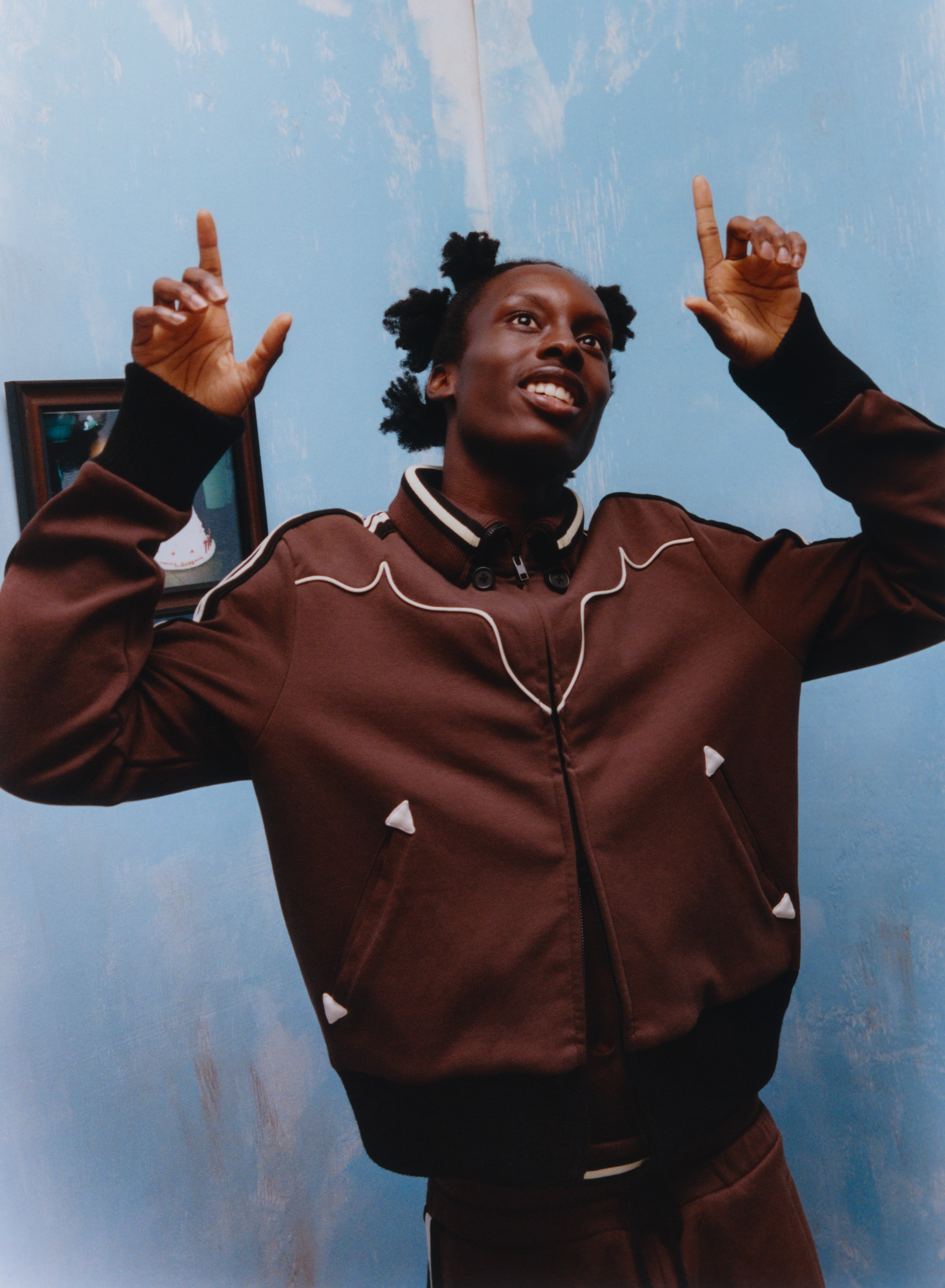
Whatever the models look like, whatever the message I was trying to tell, November will always be a Black brand. But I think since it just stems from what I find inspiring, that's kind of where-- just the overall image comes from, I definitely grew up in a place where I didn't see a lot of people like me wearing the clothes that I thought were cool or doing the things that I really wanted to do. So I think now I kind of lean a lot more towards seeing kids who look like me wear the things I make, just because I feel I can connect a lot more that way. Same even with my relationships now compared to when I lived back in North Carolina.
E: I want to explore that more, the concept of identity and also-- the commercialization of identity. I wouldn't necessarily say you are doing that with November. But I guess a good example would be non-black people wearing denim tears.
Yeah, no, honestly, I completely understand that. That's kind of where I sometimes think it relates to the way your mind naturally thinks about your identity. Because sometimes I'll think very radically, and I'll have times in my life where I'll be going through something, or I'd have experiences in nightlife or just in public spaces where I'm just like, bro, I cannot stand white people right now. I don't want to see white people in my clothing. I don't want to talk to a white person for days, like genuinely, just because of years of trauma. Sometimes I definitely think about November that way, where I'm like, this is a black-owned brand for black people, because that's also just something-- I remember when I first started making clothing, within that space, people would make fun of me, even within the fashion space, and it was normalized. Like, on one of the biggest fashion discords at the time, I would talk in there, and people would nod me in there and send my Instagram in this chat, and they'd call me the black version of this, or this super microaggressive stuff that I just couldn't stand. So honestly, there would be times where I would build this sort of resentment towards basically anybody in this space.
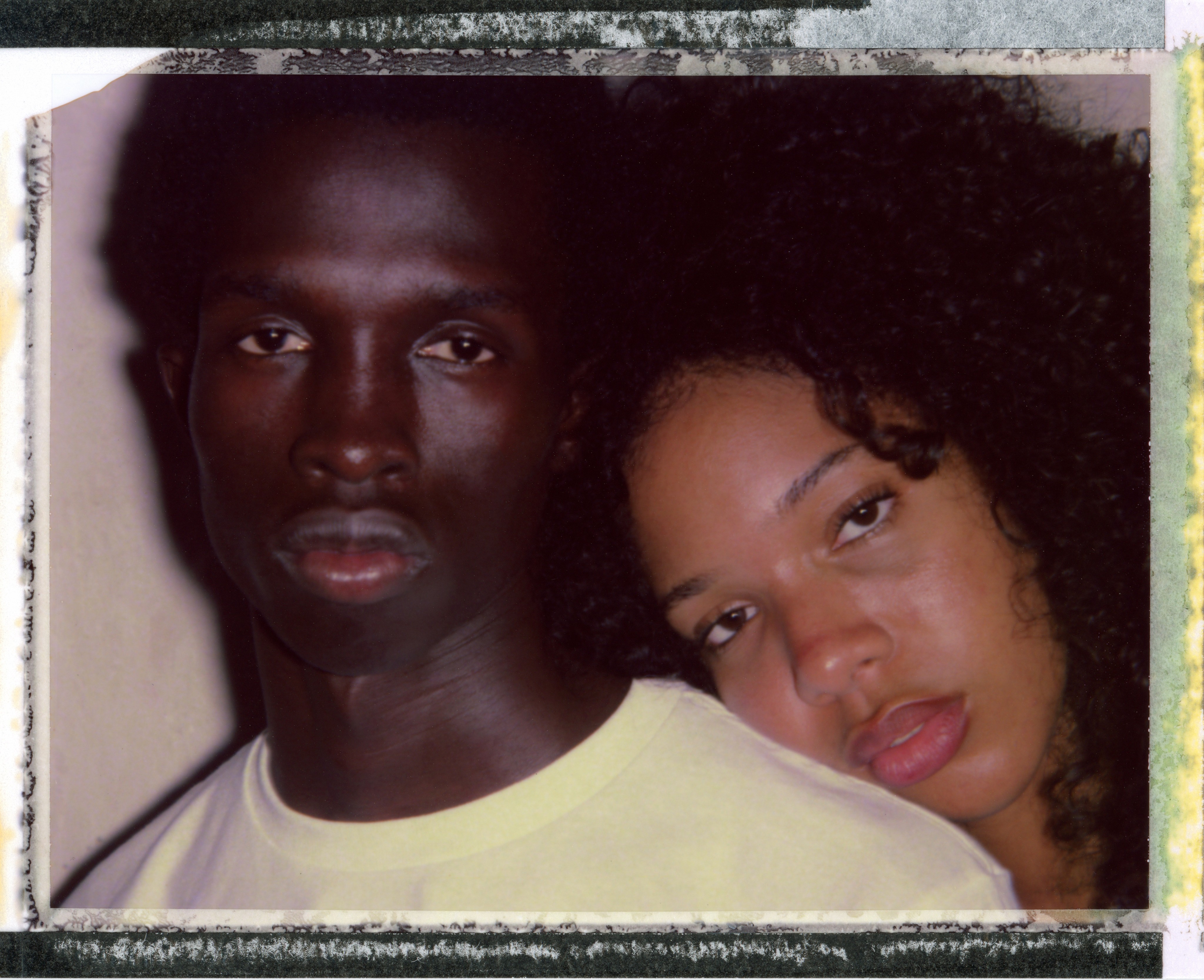
E: Because some designers, like Tremaine Emory. He really lays it down heavily in his work. But it's like, as you said, regardless, November is going to be a black brand. But there are different extents of how much of identity you're willing to give.
Yeah, and I definitely think as time goes on, too, as I become more-- there's a lot of things that restrict me from saying exactly what I'd like to say. I feel like, even just being a person of color, you have to learn to hold your tongue about a lot of things, and I definitely feel that in the fashion space as well. But as I've built an audience and can gauge who's wearing the clothing and who's supporting me, it's easier to —I felt very relieved when I got a notification that someone's tagged me in something; it'll be a black kid. I'm like, "Okay, this is like--" "
C: This is who I do it for."
E: Yeah, that's beautiful.
Yeah, and those are always the people that are the most-- Honestly, anybody who stops me on the street or anything, which doesn't happen that often, but they are typically black kids. And I'm like, I didn't even have this in North Carolina. People who--I didn't even hang out with black people who weren't in my family because they're just like--
C: There's none.
Yeah, exactly. For people that'll come up to me and say they fucking with what I do, I'm like, "Bro, you don't even understand how much those interactions mean "just as me as a person, just being able to talk to people that look like you, it;s like being seen and heard. So it's hard not to say that I do it for black kids because that's low-key all my life has been. All the bullshit in my life stems from white people too, so it's like, I don't know. Tremaine does really lay it down, though.
C: Oh, he's bugging a little bit.
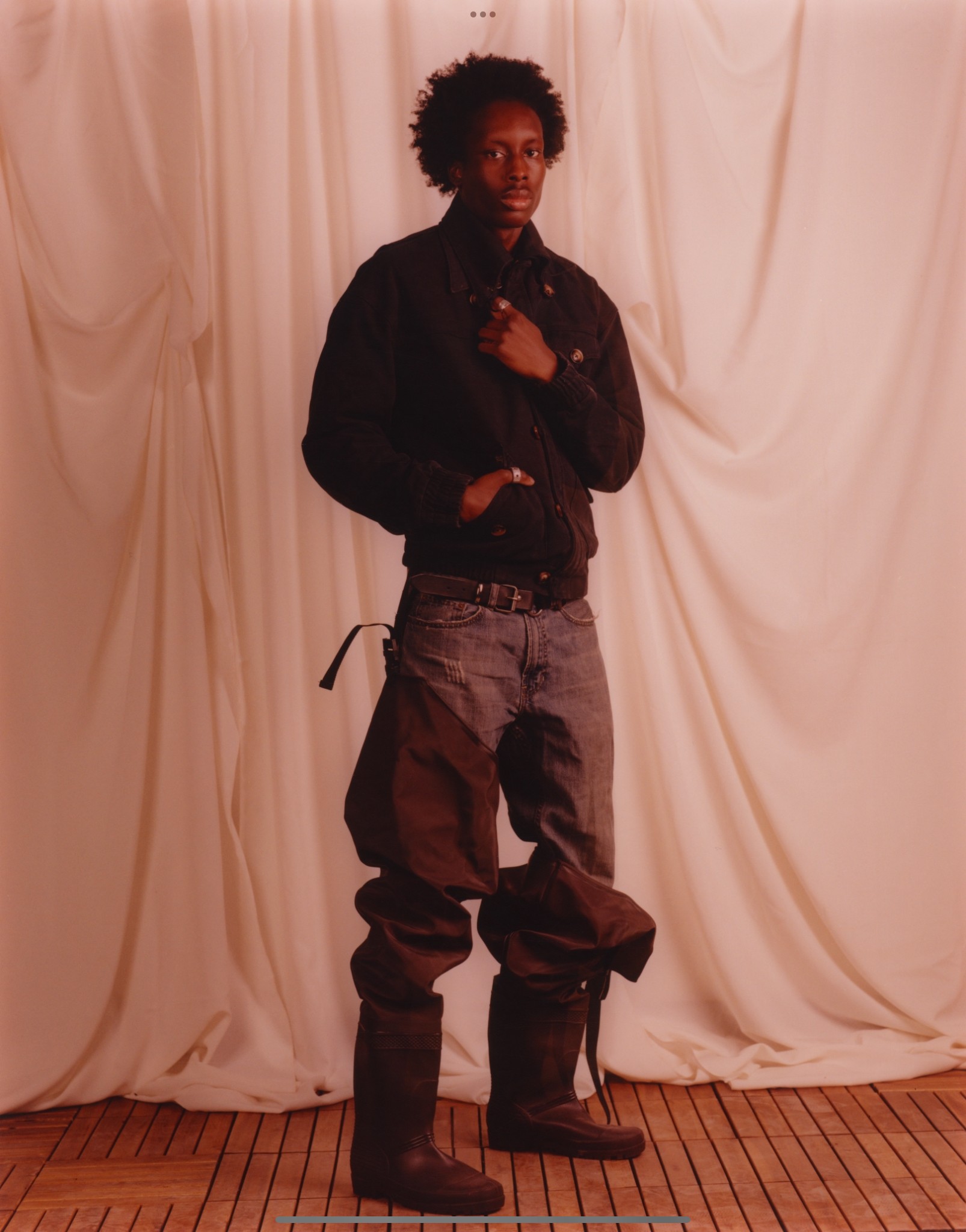
E: It's a different level of commercializing your identity with him. Because it's almost his whole shit.
Yeah, and he married a white woman. I'm like, "What is going on?"
C: And then when he was the creative director of Supreme--
They had to drop him for that shit respectfully, bro. Not even respectfully. That shit was ridiculous, bro.
My whole thing with the Supreme thing was -- I honestly understood where Tremaine was coming from. When he was like, "Bro, Supreme has been capitalizing off of black people forever." It's streetwear. Black culture is -- We're the backbone of pretty much–
C: Everything.
But for him to say that only after he got fired, I was like, "Bro, you still made the conscious decision to work with them." So it's like, they didn't stop capitalizing on black culture after you started working with them. They were still doing that as you were working there. Then they didn't give you what you wanted, so now it's an issue. But Arthur Jafa, too, I think, is super dope. That's someone whom I also look up to. But their work together, I was like, "This shit doesn't fit for Supreme." You want these white kids wearing a picture—I forgot what he was talking about—but one of the designs was fucking crazy. He's going to have a 16-year-old white kid wearing that?
C: Wasn't it some depictions of dudes getting lashed or some shit like that?
It was something extreme to-- It was a picture of-- Remember that movie that Will Smith was in where he played that? It was one of his latest movies. He played the slave. That picture, he's sitting there--
C: Oh, yeah, yeah.
It was a picture of that. I was like, "Oh." Yeah. I don't know. Crazy. But sometimes I do feel like that, even with my own stuff. I'll be wearing the Peace Girlfriend tee, and I'll see some white women wearing it, and I'm like, "Hmm."
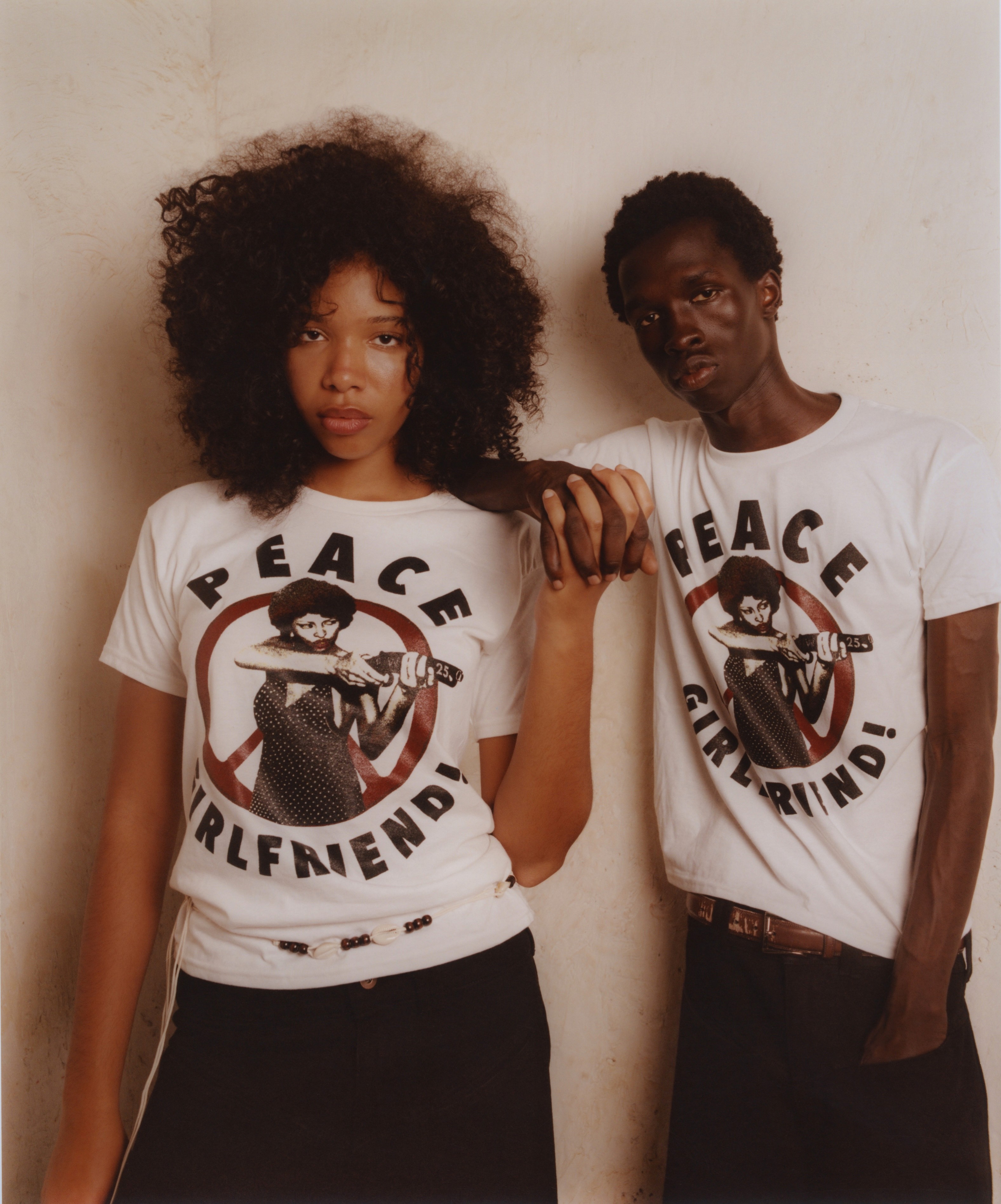
E: At what point, though, does it become the audience just has to understand what is and isn't meant for them? Do you know what I mean?
Yeah. I think you're constantly going to ask yourself that question. It's just part of running a brand but also being a consumer.
E: Because you will see non-black people wearing denim tears..
Well, that's also just sometimes people don't even think of-- One of [ ]’s good homies has-- I deadass thought she was raised by a black woman because she has the craziest blaccent I've ever heard, and I was like, "Where's she from?"
E: She’s like Awkafina?
Like corn bread type--
C: Oh, nah.
I'm a deadass-- She was so-- I was like, "Yo, where's she from?" She was like, "She's from Singapore." And I was like, "Where in Singapore do they talk like this?" And she was like, "At the international schools." But the thing is, with the international schools, they don't even see AAVE as black culture. It's just urban culture. It's been so watered down and stolen to where it's not even-- It's just pure ignorance. They don't even know this comes from black people. So they come to America, they talk like this, and they're just like, "Oh, this is how my friends talk?" Because that's just how they talk. So it's like, I can't even-- I get hella confused. I'm like, "Can I even be mad at this anymore?"
E: Bro, you should-- I'm talking about the dude that you met from Singapore in Vietnam.
Bro. Some niggas from Singapore are ridiculous.
E: They're an English-speaking Asian country, but they don't have any grasp of where the language comes from.
Yeah.
SHOUTS OUTS
C: Yo, shout-out to some of your homies. Shout-out to some of-- Anybody want to shout-out?
E: Annie.
Shout-out Annie for real, bruh. I don't know. I guess shout-out Lux all the time. He's been making it happen for me for like six months now. I don't know. My family, man. I feel like that's the source of all of my inspiration, to be honest. My mom — I feel very, very inspired by intimacy, whether it's romantic or familial. I think having loving parents is one of-- I don't know. I feel like I went through a lot of times when I was going through that transition of moving here, where the only thing I had was family. So, yeah, my little brother inspires me. He was my main model until I moved here, he inspires me a ton.
C: What's little bro's name?
Miles.
C: Shout-out, Miles. Big dog.
I don't know, bruh. Shout-out to everybody who fucks with me.
WHAT'S NEXT?
C: Shout-out, everybody. And then for our last one, what's next for the brand/you? Do you have anything coming up in terms of personal growth or your personal life? I know you already finished a collection, so I'm going to let you enjoy that.
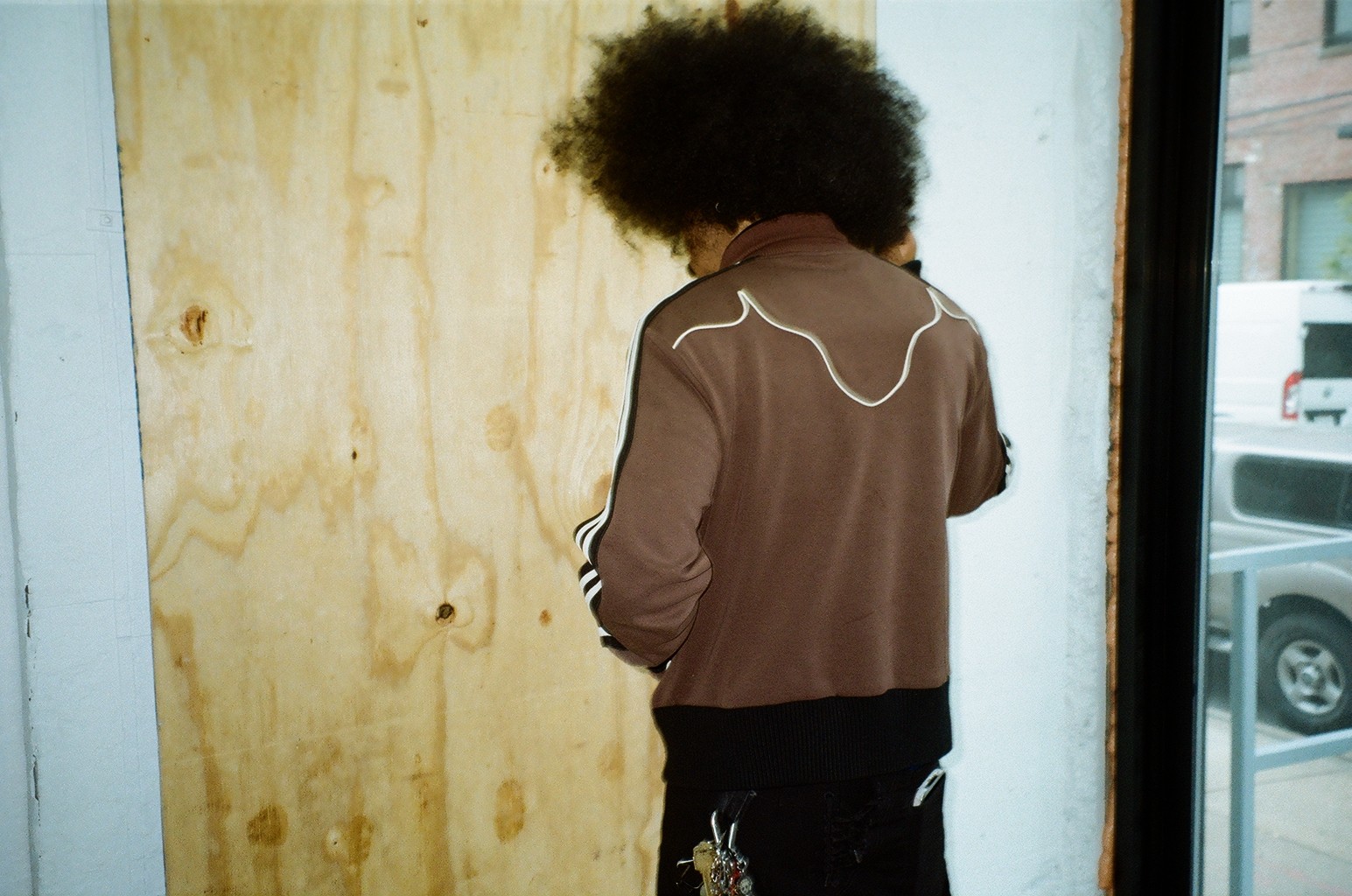
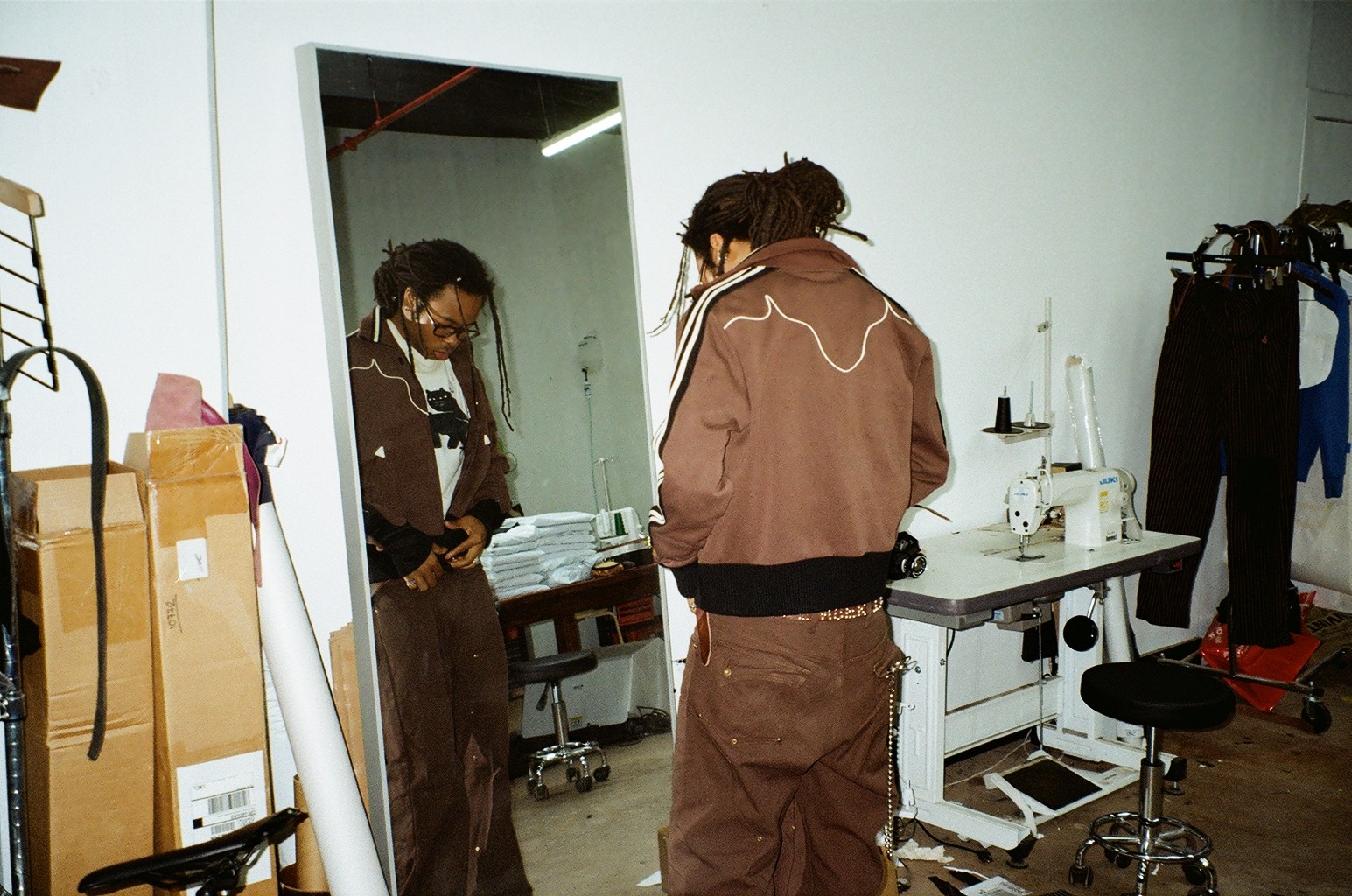
No, it's not. We actually shot what we're doing next, like two weeks ago, which is the tracksuit. So I'm really excited for that. It'll be the jacket, pants, and I literally just finished this before. It's the first iteration of the new belts that we're doing. The spring and summer collection, I guess, or mostly summer.
C: What about you? Do you have any personal goals?
Just keep trying my best, to be honest. I feel it's hard to plan so far ahead when you just get so caught up in day-to-day stuff. I feel I pull up here and work all the time. The day's over before I know it, and I try to set a deadline, and I never end up meeting it. Not even in a bad way. It's just like, oh, this took way longer than I thought it was going to. So I've kind of just become pretty content, like, as long as I'm working and trying my best, it's fine.
C: It's all going to fall in place later!
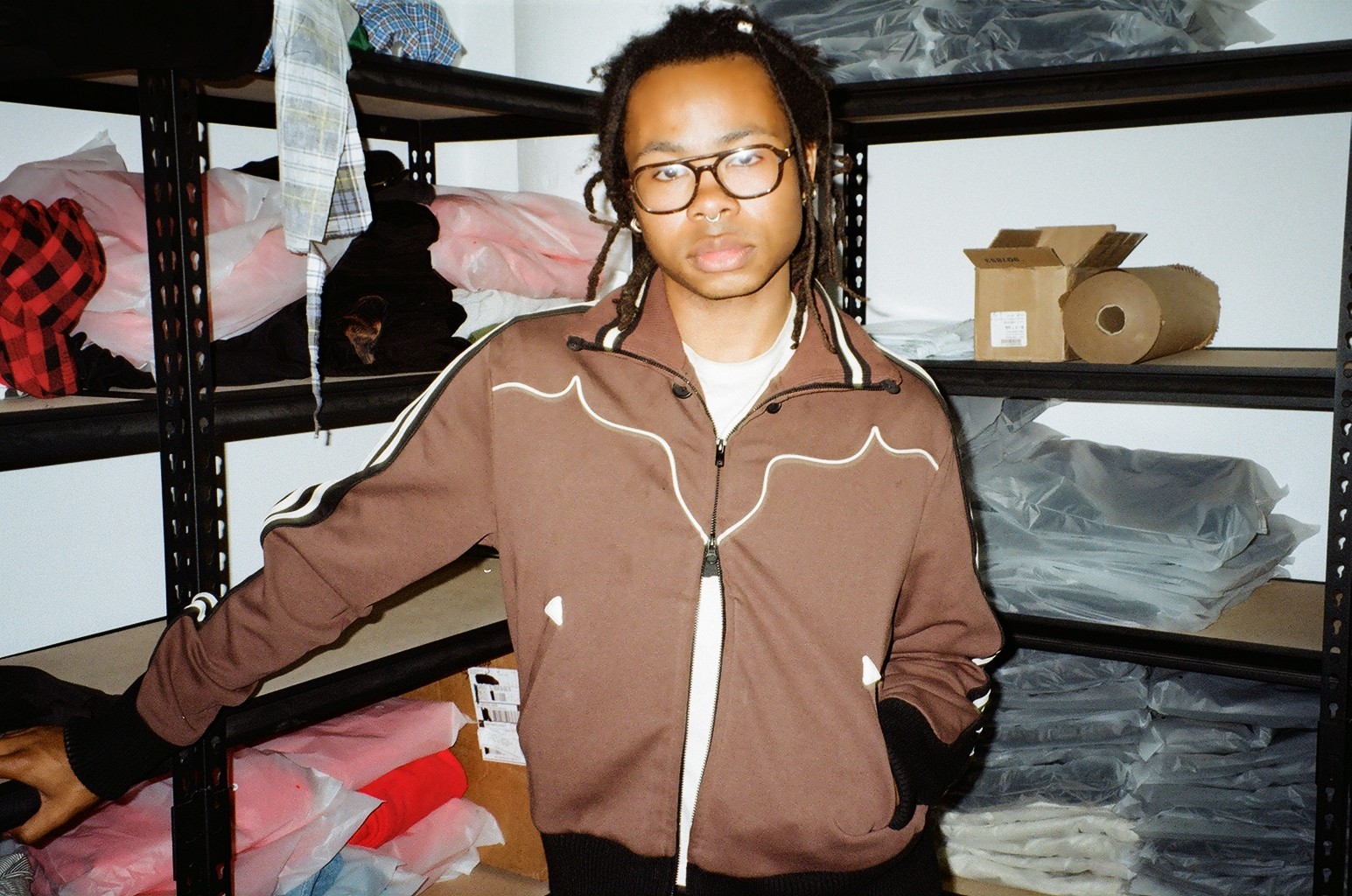
MUCH LOVE TO TIMOTHY & HIS STUDIO MATES FOR ACCOMMODATING US. TIMOTHY IS SUPER TALENTED. KEEP AN EYE OUT FOR MORE GARMENTS COMING FROM NOVEMBER ISLU. HE'S THE FUTURE.
https://novemberislu.com
SUBJECT/BRAND
TIMOTHY GLASS @november.islu
PHOTOGRAPHER
ETHAN TRAN @holding_____hands
MODEL
TIMOTHY GLASS @november.islu
EDITOR
E&C* @acediastudios
TEXT
E&C* @acediastudios