with TESIA
WHO ARE YOU?
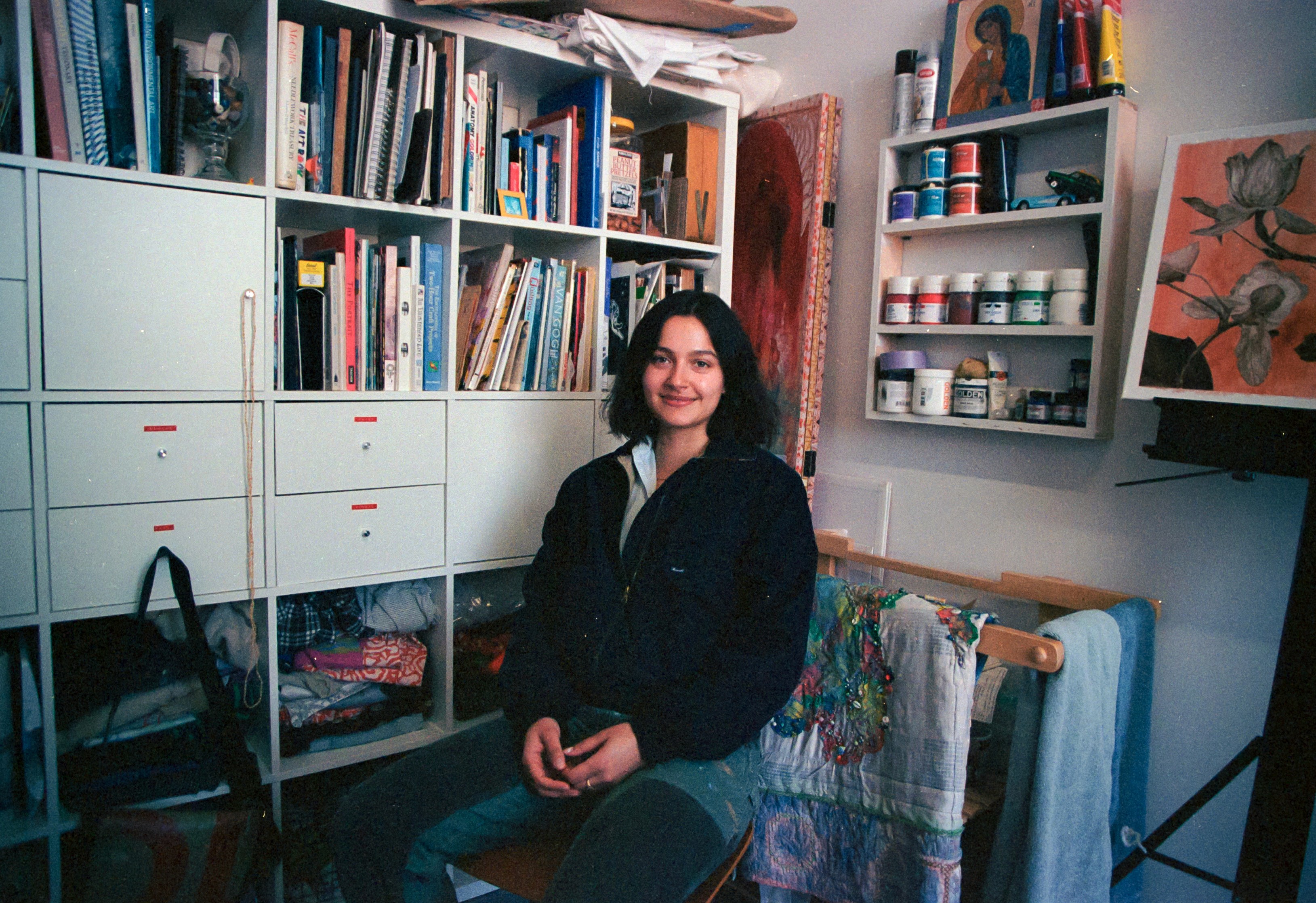
I'm Tesia Tejaswini Singh-Ragen. I am a multimedia artist based in Brooklyn, New York. I also work as a decorative painter and am my building’s super. I wear a lot of hats, but all these roles feed into my arts practice, which is the main focus.
HOW DID YOU GET INTO ART?
I always loved to draw. Growing up, a paper and pencil were how I kept myself busy most of the time. It’s a bit of a nature/nurture question. My mom definitely encouraged me to explore all sorts of art forms. I tried dance, piano, and played the viola for around ten years. So I was definitely sent off towards the arts, but I think I also inherently loved it. I would make a lot of art for my family and friends. Handmade cards for all the special occasions. Paper and pencil were definitely my introduction to art.
I was lucky to have some wonderful teachers, too. In middle school I had an amazing teacher, Betsy Gimenez, who showed me the ropes and provided my foundation, taught me about colors, shading, and depth. She was very talented. We’d leave class and come back in the next morning to a whole new unbelievable chalkboard drawing. She was such a force, too, she didn’t mess around. Art was always something I reached for, and I wasn’t thinking about it as a potential profession as a kid, it was just one of my favorite things.
Even though I painted and drew my whole life, by the end of high school I still wasn't considering it as a career. Growing up around lots of creatives, including my mom — she was a sculptor, performance artist, playwright, she also wears a lot of hats — I saw pretty quickly that it could be a tough path. It’s vulnerable, demanding work. There’s a solitude or a loneliness to artmaking sometimes, an intense looking-inward, and I was absorbing all that as a kid.
So, I thought about art school when I was applying to college, but I didn't have the guts to do it. And I was also interested in science, botany, biology… environmental studies, I wasn’t ready to put all of that aside for art. So I chose environmental studies, and then I minored in studio art and art history, which I should have just double-majored in, but, you know. Here we are. It was only by the very end of college that I realized, oh, this is actually what I want to do. In that time where everybody's asking you, “What’re you going to do next? What do you want to do out in the world?” all I wanted to do at that point was paint, and I knew I just had to commit.
PERCEPTION SHIFT
C: And what changed for you? What made your perception shift? Because you said your mom, you saw her struggling throughout that, or like the good sides and bad sides. And you were scared to do that at first. But what made you make the jump?
I think it might have been a combination of things. I had a great professor named Omid Shekari, a wonderful artist who pushed me and engaged me in a new way. He helped me understand art as storytelling. His art really blew me away. It’s full of social and political commentary and personal reflection and so much texture and color and depth, it grabbed me. He pushed all of us, he took us seriously. Art then became this outlet for processing questions about my identity, gender, family history, and that was a big part of my college art making, as I think it is for a lot of people. So much is happening at that age. Later I got to work as his studio assistant, andI saw what it took to put on a show. I was inspired, and being engaged like that helped me take myself more seriously.
BALANCING ART AND WORK
E: You mentioned earlier that you would be in here every day if you could be, but sometimes you're not because of your 9-to-5. Is it hard to find a balance between your work life and being an artist?
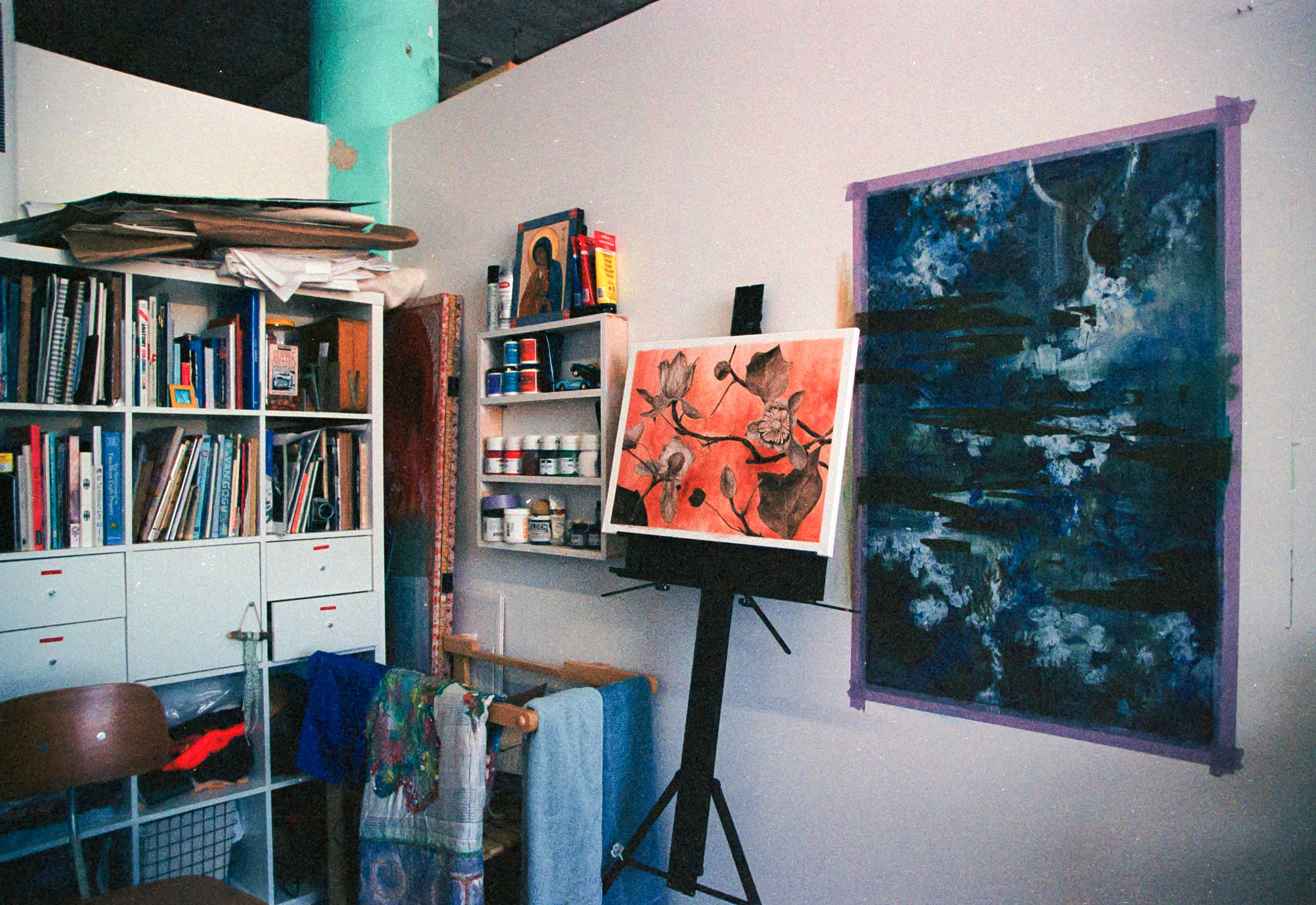
Yeah, I think it's an ongoing process. In the past year, especially the last six months, things have felt more harmonious. Most of the artists I grew up around have day jobs, but they’re still artists first and foremost, so I’m approaching things like that. I've been trying to talk to more people in creative fields recently, getting some guidance and mentorship and grappling with the reality of what it takes to be an artist. I have to do other jobs, but it's worth it because now I can have this space, maintain it, come here and work. When I can make work here every day, I do. When I can't, as soon as I open the door it feels so good to be back. So either way, this space is crucial. For now, I think working in lots of different industries is helpful for my practice. It's interesting to see and try a million different things.
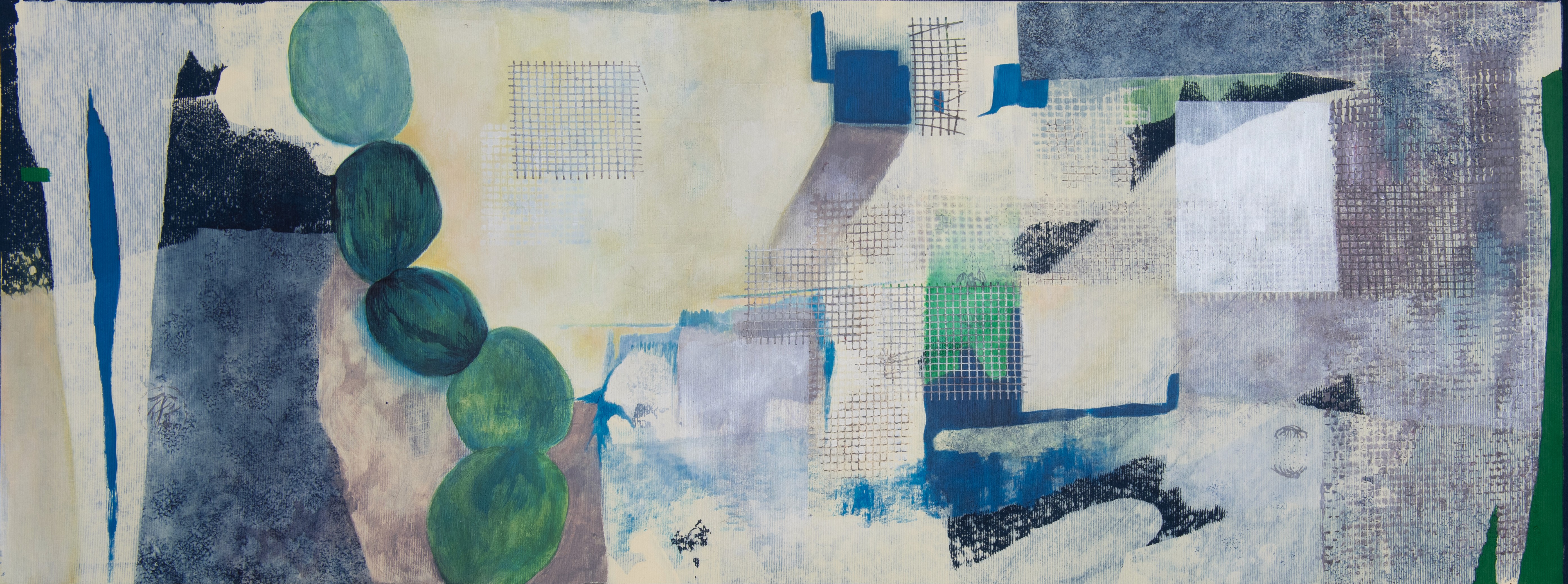
I was recently a production assistant, tabled at a zine fair, got an embroidery commission, and I’ve worked in decorative painting for the past few years, in a completely different luxury goods world. All these gigs introduce me to new people, techniques, materials… and that filters into my work for sure. And that's why I came back to New York City — every art form exists in some corner here. Right now it feels like each time I paint, something new comes out, different from the last, which I think is the result of all those different experiences I’m seeking out, and all this stimulus I’m absorbing, which is good! Being a young artist I have this sense that my work is going to change and change and change. I’m interested in what I’ve been making recently, but I also don’t doubt that it could be completely different in a few weeks, let alone another year.
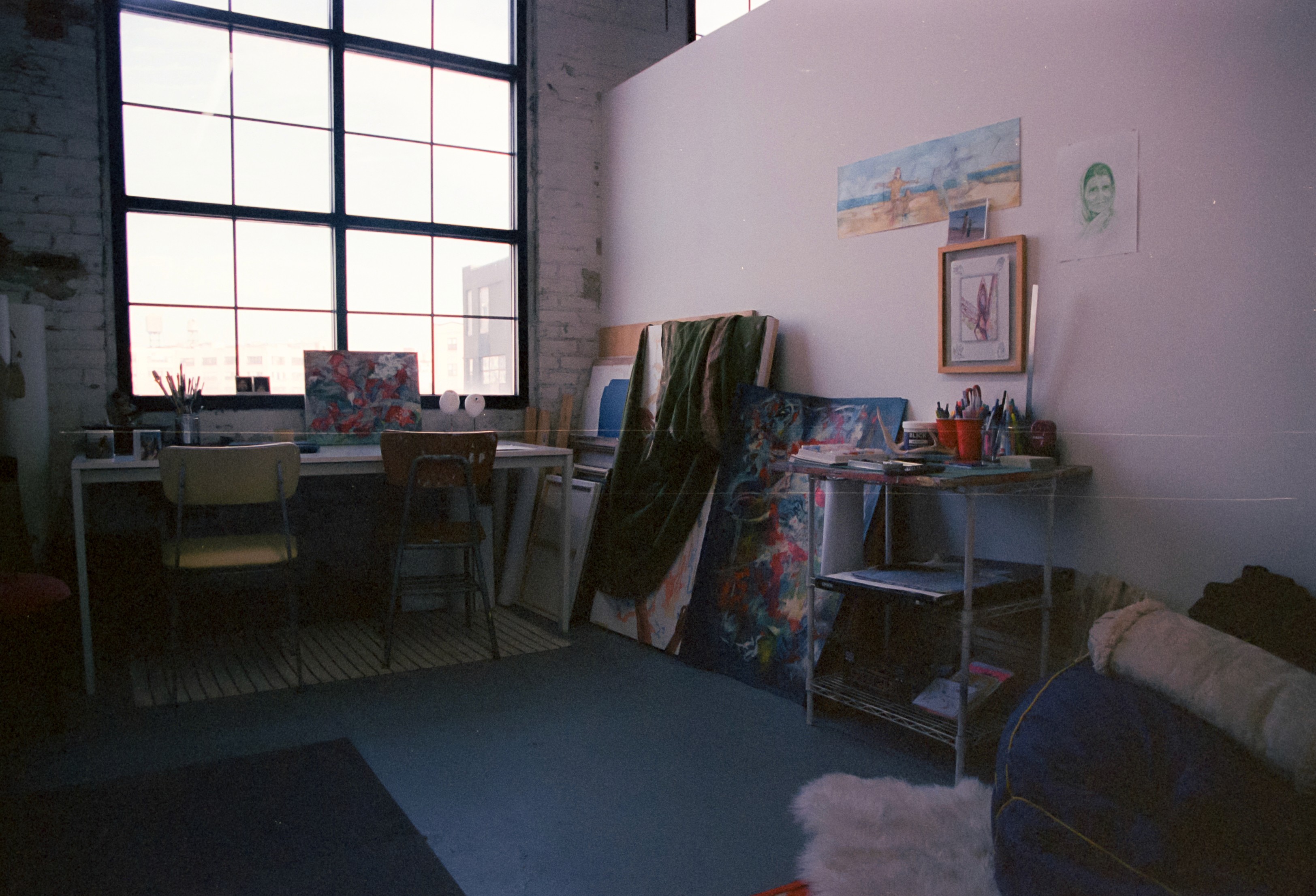
E: How important is it to you that you maintain a space like this? We had a different interview with our friend Matias, and he talked about how for him it was very difficult that his studio was in his apartment because he found no separation between coming home from work and then having all of his, I guess, materials there. And he was like, "I would much rather if there was another degree of separation between being an artist, being at home, being at work."
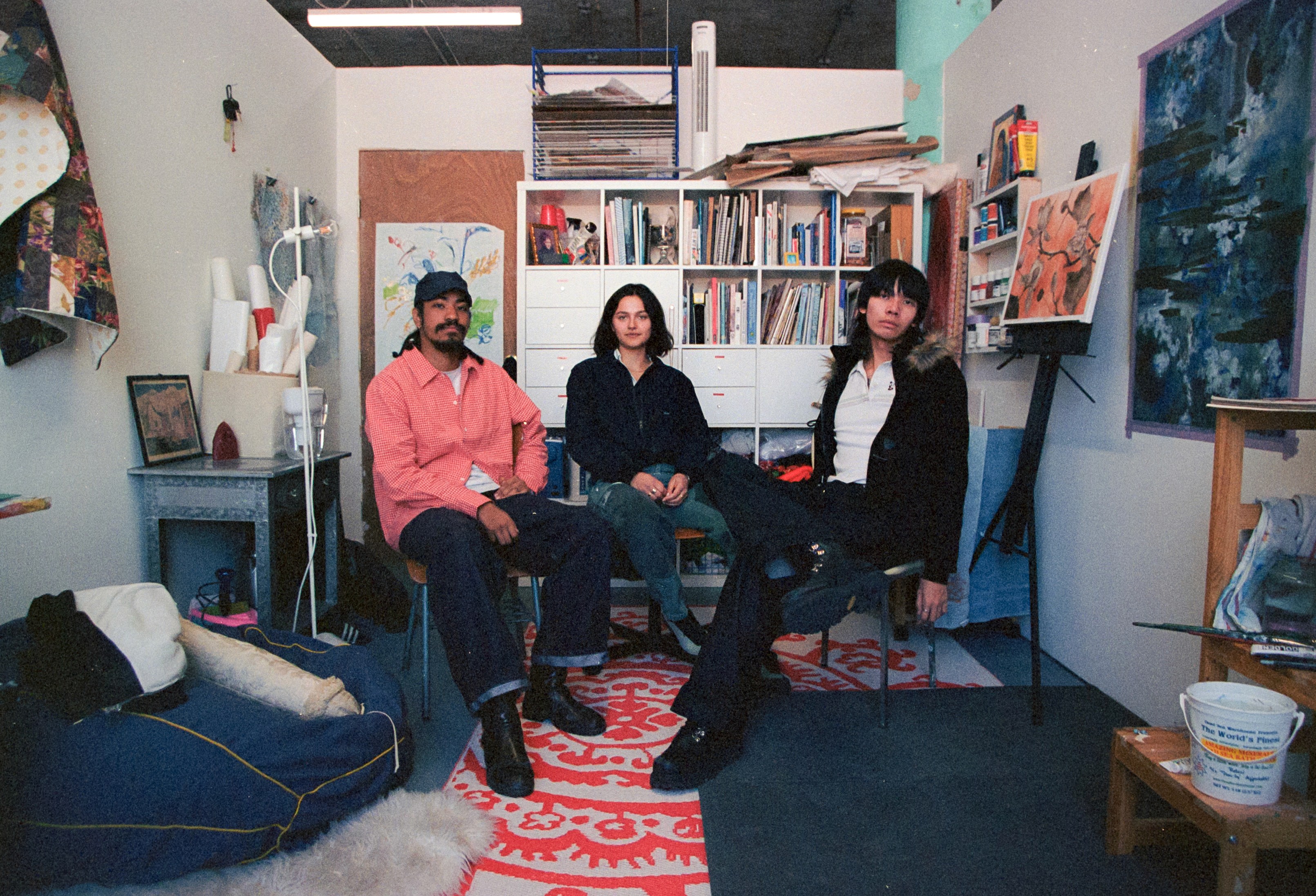
Totally, I tried that for a long time — working in my apartment, as lots of folks do, and it's definitely tricky. It’s hard to set up big messy projects and let them sit and grow, and I was distracted by the million other things in my life that were all around me, staring at me all the time. I’m super grateful to have that separation now: I come here and my mind is much quieter. I love sharing the workspace, too. I have all these chairs so I can invite people over! Lots of friends come and we work together here, parallel play, you know.
The boundary is key. I leave my house, commute here, and do something different. I can close the door on all the other distractions. It’s a real luxury in New York, to have a bit more space. It broadens my world.
CREATING ART IN NY VS OHIO
C: You mentioned that you came back to New York. Originally, you are from New York, correct?
Yes.
C: But you went to school in Ohio, right?
Right, I went to school in Ohio. I was born in New York, but I grew up in Oregon and India until I was in grade school, then I came back to the city, so I've been in New York for most of my life, but my childhood was a bit all over the place.
C: How would you say the environment of either the nature that you're seeing in Ohio versus New York has affected your work? Because I was reading your artist statement, and you really try to blend the environment and how humans fit into the whole ecosystem. How has the area around you changed your work since you moved from New York to Ohio, and back again?
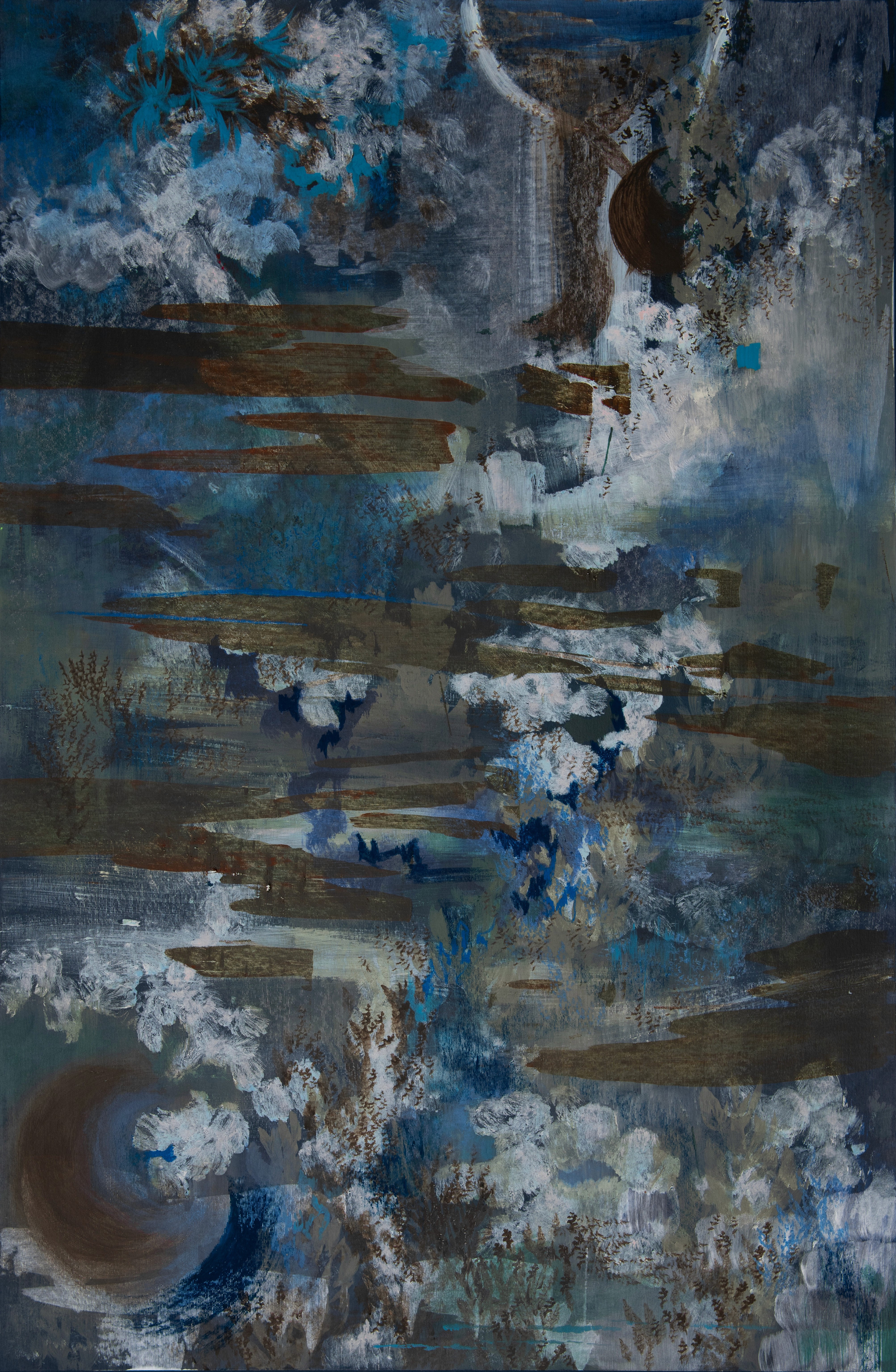
That's a great question, it’s definitely the focus of my work. I’m often thinking about landscape and how people build memories and attachment within a place, and that used to be a lot more personal, thinking about my identity and all the places that I'm from, and then transitioned to being curious about that as a universal, communal experience – throughout time, throughout history, people’s relationship to land, coming from a place of curiosity about stewardship as well. The dream is to make art that encourages people to see and feel how deep that relationship is, with everything around us, the more-than-human world, too, even inanimate things.
So, to your question, Ohio, it was special to be there because I grew up on the East Coast, and then all my family on my mom's side is from the West Coast or Hawaii, so I didn't know Middle America at all. And after the first Trump election and the way that revealed how much people were feeling so fundamentally different from each other in this country, I really felt the bubble of New York. The disbelief and the lack of understanding of the rest of the country made me feel like I wanted to go to the Midwest and get to know this area, this post-industrial economy, the agriculture, and… I'm getting lost in the weeds sorry.
Ohio was an interesting place to be! It’s beautiful. I was studying geology for a bit, and that really shifted something for me when I was able to grasp geologic timelines. That totally exploded how I think about land and the scope of nature and how long some things have existed, sooo much longer than we can even fathom. You can totally see the geology in the landscape of northeast Ohio – how the glaciers compressed the land. It's incredibly flat. You'd walk out into the intersection of the street, and you could look north, south, east, west for miles and miles and miles and see everything, see a car coming from eons away. I could imagine these glaciers sliding across the landscape and flattening the land, and I had some great professors who took us out in the woods and showed us all this history coded in the rocks. I already thought, "Oh, I'm thinking about nature all the time. I'm paying attention to plants and animals," and this brought me to another level underneath all that, something quieter and more subtle, but so foundational.
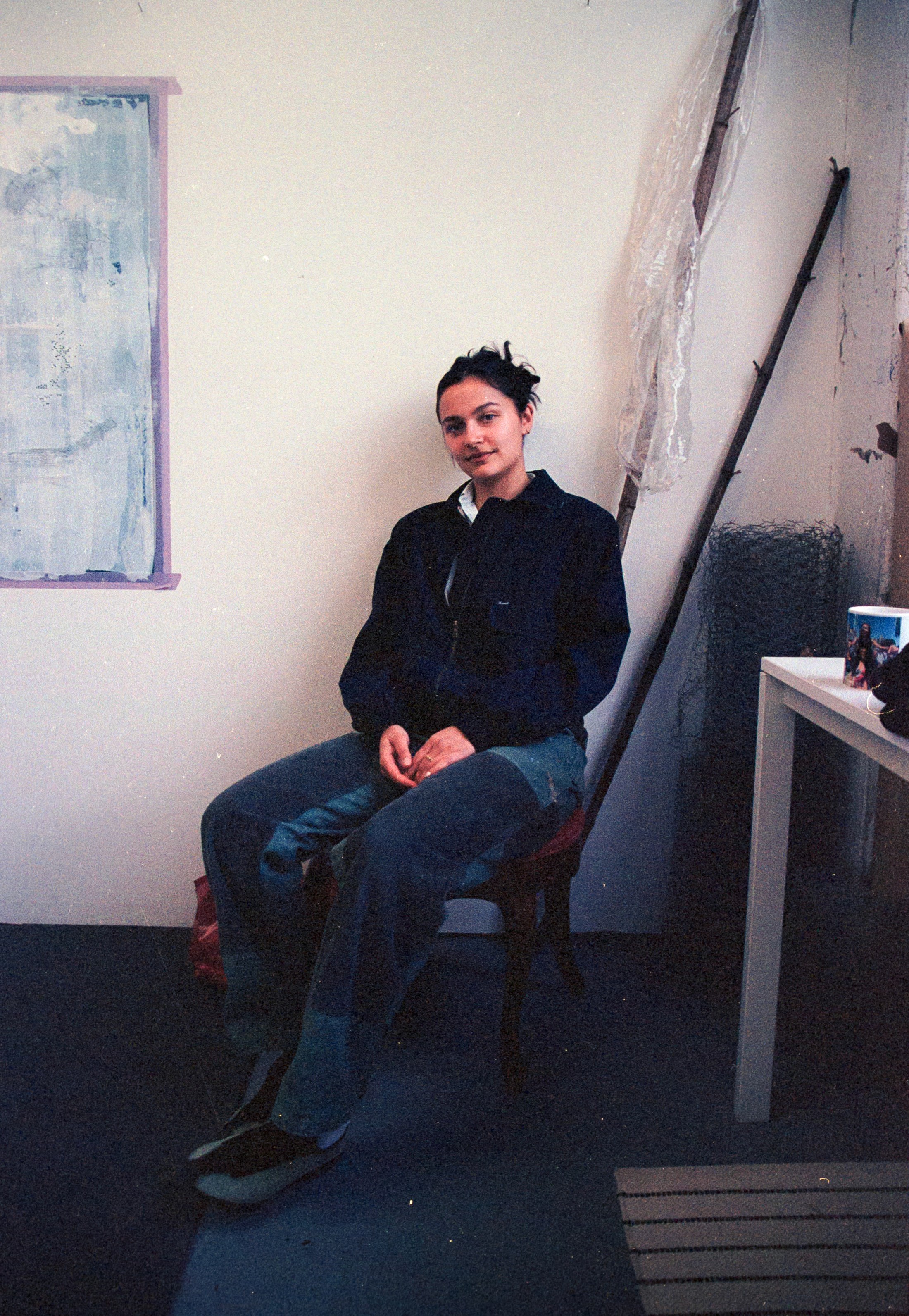
E: Do you think that understanding improved your technique at all when it comes to painting?
I think it definitely changed what I focus on.
I feel like mountains are in a lot of my work since college, and I always feel like there's a landscape in the painting, even if it's abstract, even if there's no explicit leaf or tree or anything like that, so...
E: The concept of a tree.
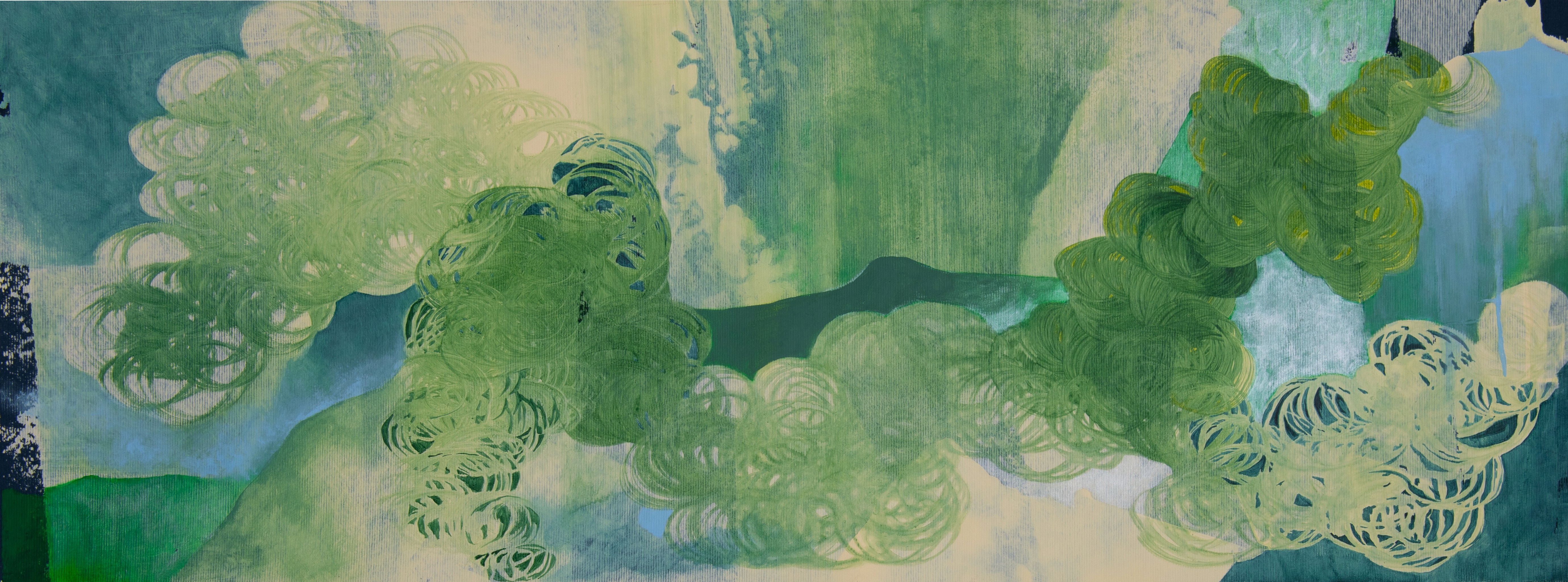
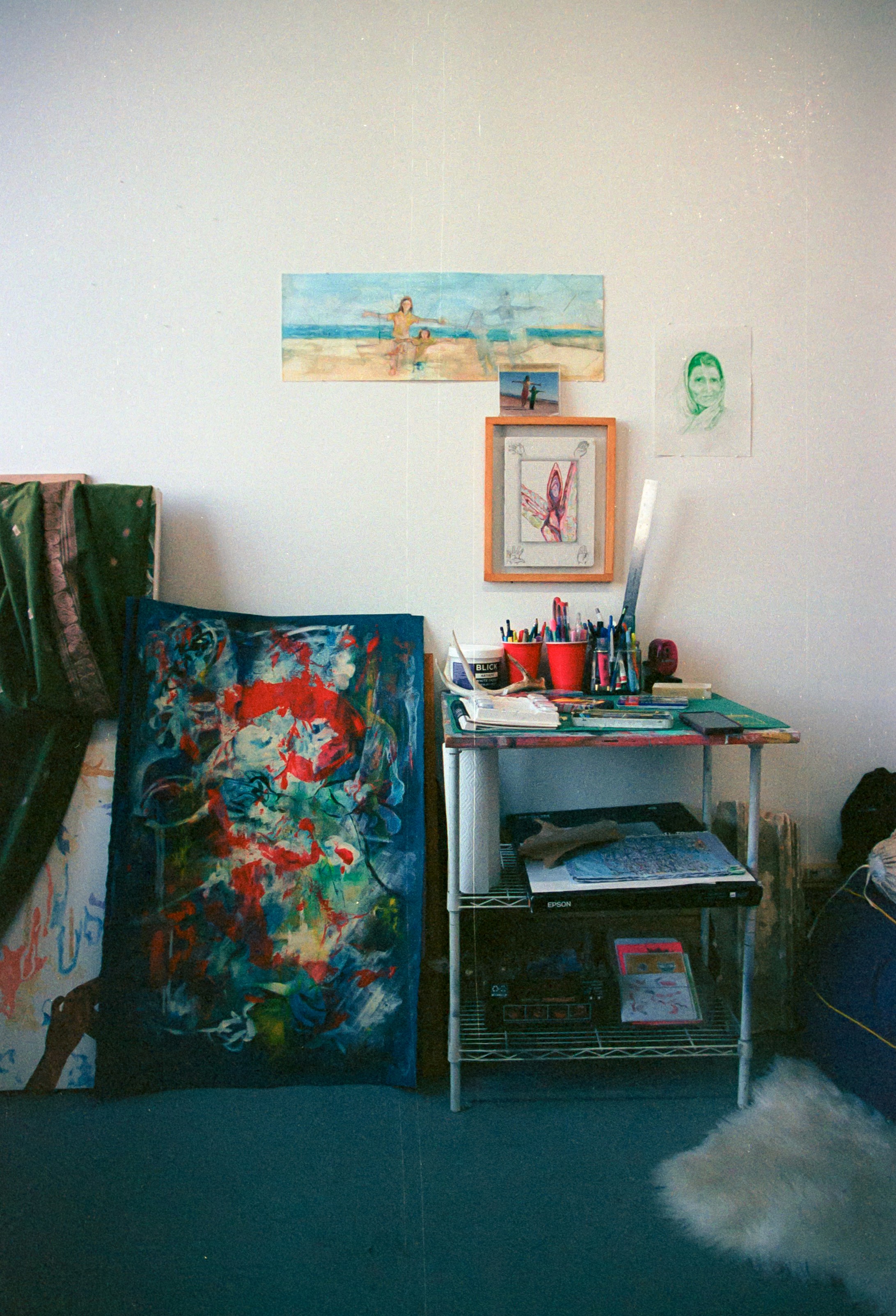
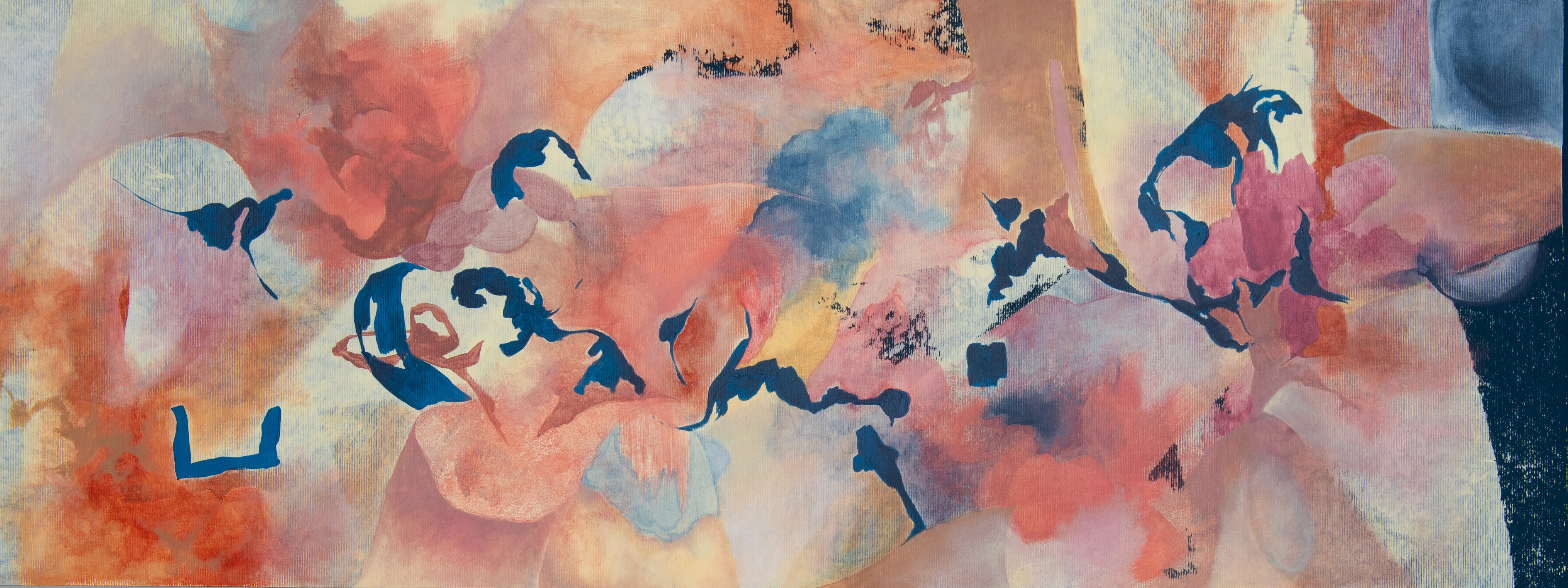
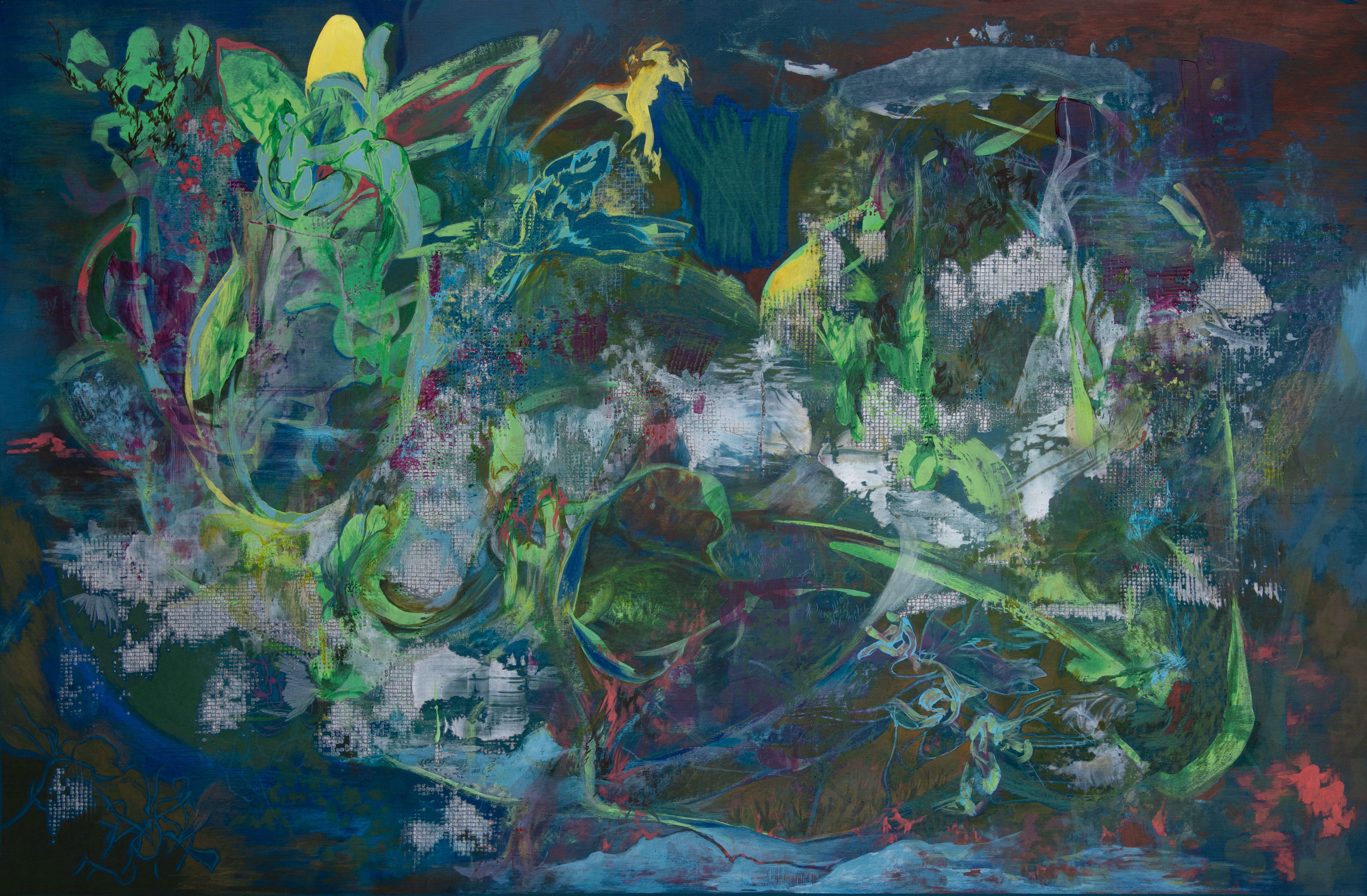
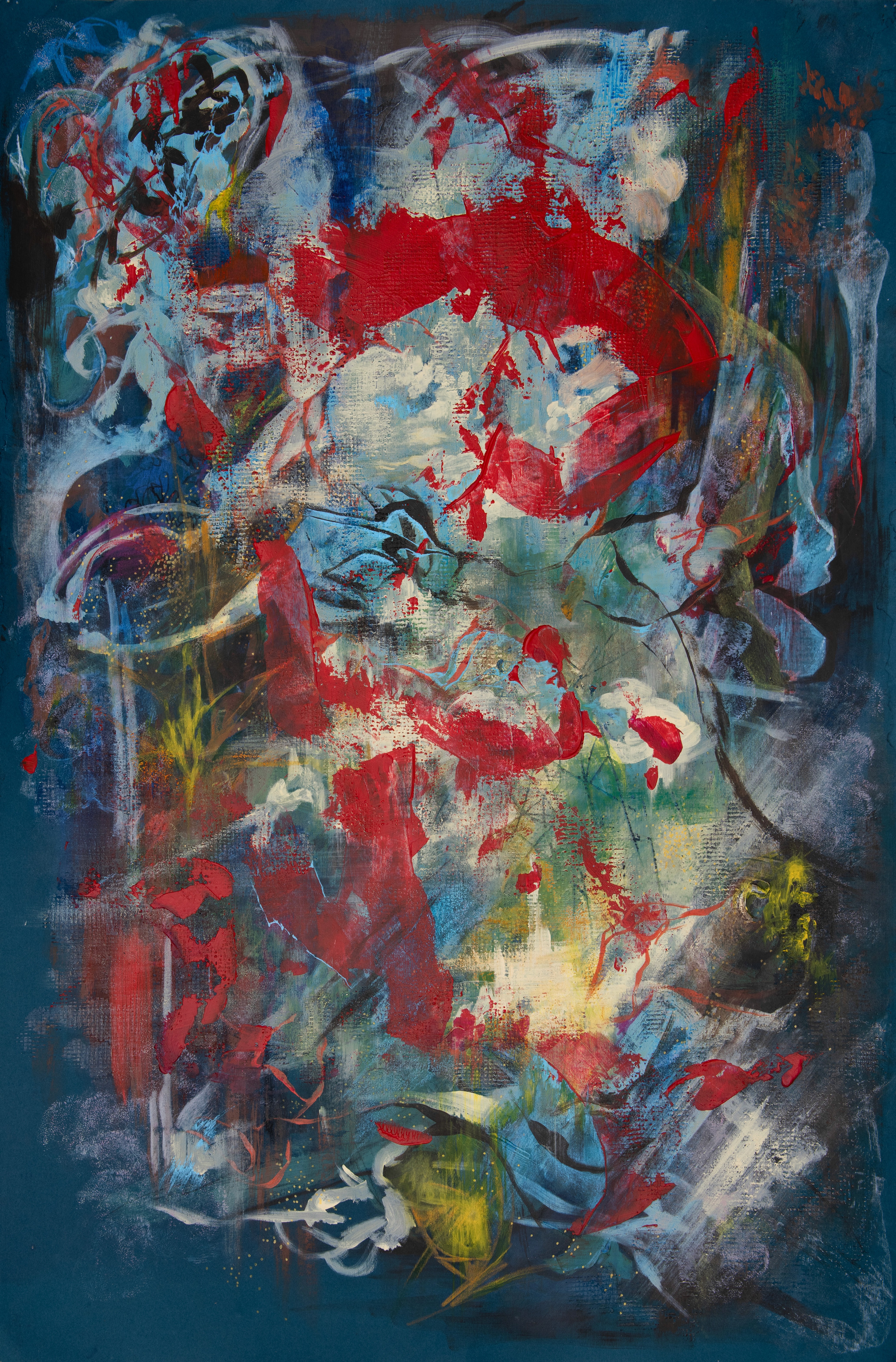
Haha exactly, or, the memory, or I mean, it could be anything. It could be that painting right there. As I was making it I didn't have this plan going into it, but eventually it totally became, "Oh, this is about a rain cloud," and I thought about this song my sister sang me about the rain cycle, but then also maybe there's a mountain range in it, of course, and there's a map that's made up of pixels, or there's grass, or there's clouds or raindrops and some sort of atmosphere is building there. That one's kind of still in progress, but...
E: Can we get a photo of that? Let's ask the audience. What do you guys think?
C: We're going to ask our viewers at home.
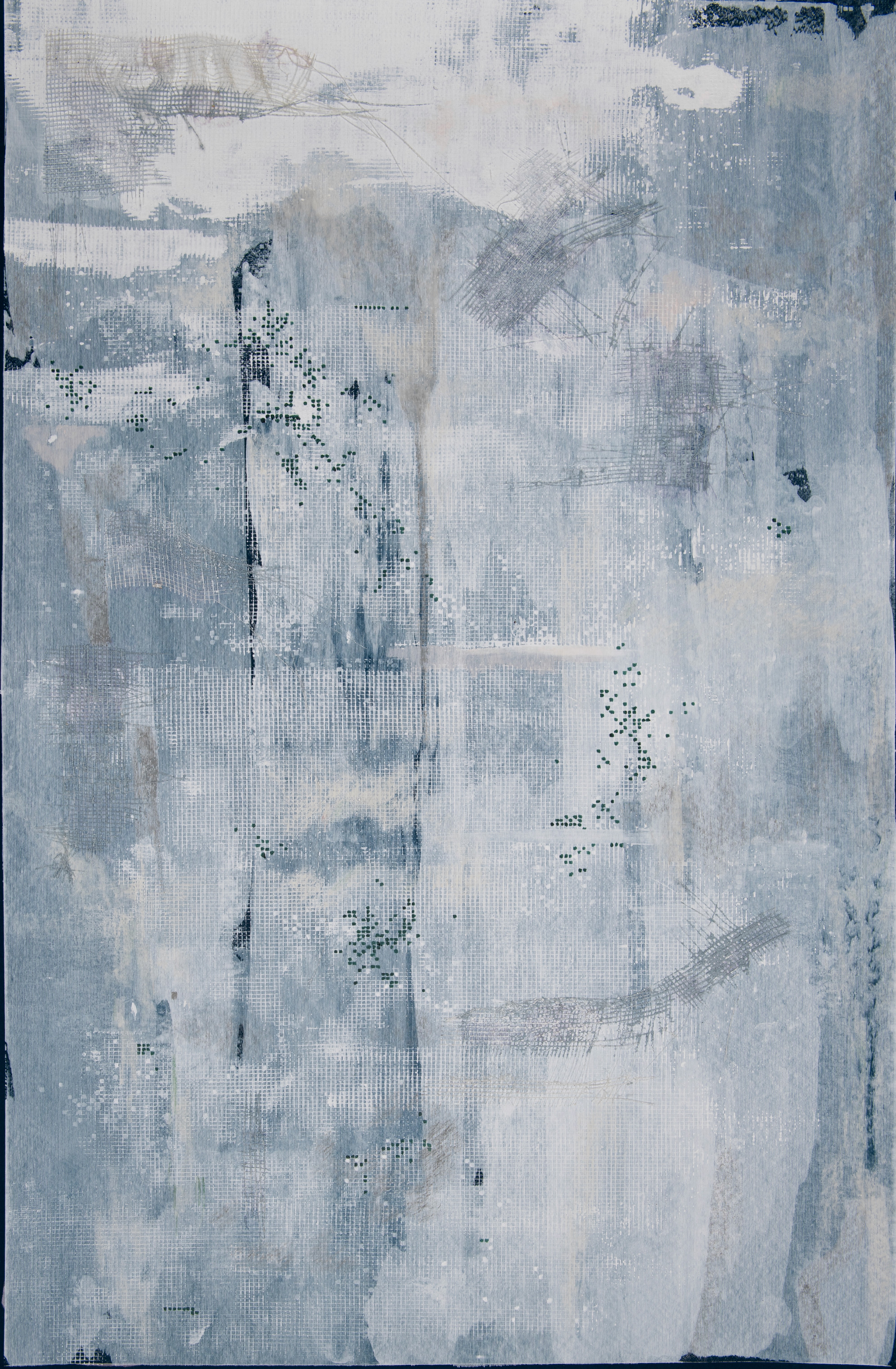
(WHAT DO YOU SEE?)
C: Sorry, but you were saying something about Ohio versus New York.
Well there's a part of me that would be super happy to live in a much less human-dominated place. It can be hard for me sometimes – Or when I go out into a more nature-filled space, I immediately feel so good in a way that is not always my baseline here. But I'm trying to — it feels like a good challenge to find that peace here, because this is where I want to be. And there is life everywhere in the city. In this neighborhood what I really love is the texture, and that feels natural to me, everything breaking down over time, all the layers of paint, brick, stucco, dirt, and dust. And there's so much great graffiti around here. I take a lot of walks and just look at the walls. And I think as long as I can tap into experiencing things with my senses and pay attention to that, then I feel better in the city, too. But it's definitely not the same as Oregon, or Hawaii, or India, or right outside the city. None of those places compare naturally to New York City. So it's a trade-off for me to be here in that way. But I love New York, don’t get me wrong.
And in Bed-Stuy, where I'm from, there is a lot of green these days. I love working in the tree bed or the front yard. And I'm super grateful that I still get to be there through all this time because that grounds me, that I'm on the same street I grew up on, that I get to take care of my building.
E: You're rooted.
Yeah.
C: Shout-out, New York, man.
Shout-out, New York.
SHOWCASING WORK
C: Yeah, that was beautiful, shout-out to New York. Speaking about New York, you did a gallery show at Estudio Arriba Abajo for this piece, if I'm not mistaken.
That’s right.
C: Yeah, talk about that experience. How was it doing a gallery show in your hometown, New York?
It was amazing. I mean, it was a pop-up show that got thrown together extremely quickly, and I'm really grateful to my friend Hector, who's a wonderful painter, because he pulled me in. His friend Pablo asked him to do the show and said, "Who else can you bring? We need more people." And he called me, "Are you ready to do this show? We need to get it going tomorrow.” And at that point I didn't have nearly as much work, a lot of what you see around us I made in the past few months, and this was before then, so… I was scrambling.
So it was interesting because I felt pretty unprepared — or, I guess I should say, it felt more like the work I had to show wasn't representative of what I was thinking about now or over the past few years. But I had to roll with it because it was such a great opportunity, and it was amazing to be on a street corner in Chelsea with the doors open and have people wandering in off the street. I mean, that's definitely the dream, that art reaches people and doesn't stay in this little cocoon in here. But yeah, I got to show these quilts too, these quilts that I made in college, which was special, and a few pieces on paper and that big painting. And they played vinyl from PR, and Hector was showing his work, and Pablo, who hosted, was showing his photography. And it was – I mean, it was super special. It feels like a lifetime ago now, even though it was September.
E: How important is it for the reception of your art?
I think it's definitely a big part – it's a fine line, coming in here and making work and trying to be present to the process and explore a new technique, or a new paint, or a new tool and be present to that and enjoy it… But inevitably, I do care about someone seeing it and I want it to communicate something – I want it to be something that somebody would want to step closer to. Because also, I mean, the dream is to be a career artist. So there's a part of that where you do have to be making things people want to see, to live with. So I try not to let that seep in too much as I'm actually making things, but at the same time, you do hope you’re making something someone would be interested in, and want to look at for a long time. So the audience is definitely an inherent part of it, even if it's friends or family.
More and more I’m showing my work to people and I want their input. At first I think my studio felt like a little haven, an escape, and now I want people in here all the time – I think that's an important part of getting to the next step. I want the feedback, reactions, thoughts, all of it.
MEDIUM YOU ALIGN WITH THE MOST
E: So, visually, I mean, you look around your studio, and I feel like you have so many different types of projects and completed works here. I mean, predominantly, which art form do you feel like you align with the most?
I think it’s pretty tied between drawing and painting. The two go hand in hand. There will be times when, for months, I'm drawing, and that's all I want to do, but the drawing is often informing the later painting, or vice versa. I'll paint, and then I'll miss drawing, and I'll want to go back to that, because you can do different things with a little fine line – I’ve always loved making little, detailed, tiny, intricate things.
I do love textiles as well. I always will. It's so different to make a quilt than to do a painting or a drawing, and for whatever reason, that hasn't been what I've been doing the past few years, but I don't doubt I'll go back to it. I'm about to do an embroidery commission, which I'm excited for. It's a totally different thing. I’m making a pair of pants for somebody, but I think it'll feel good to sew. I miss that.
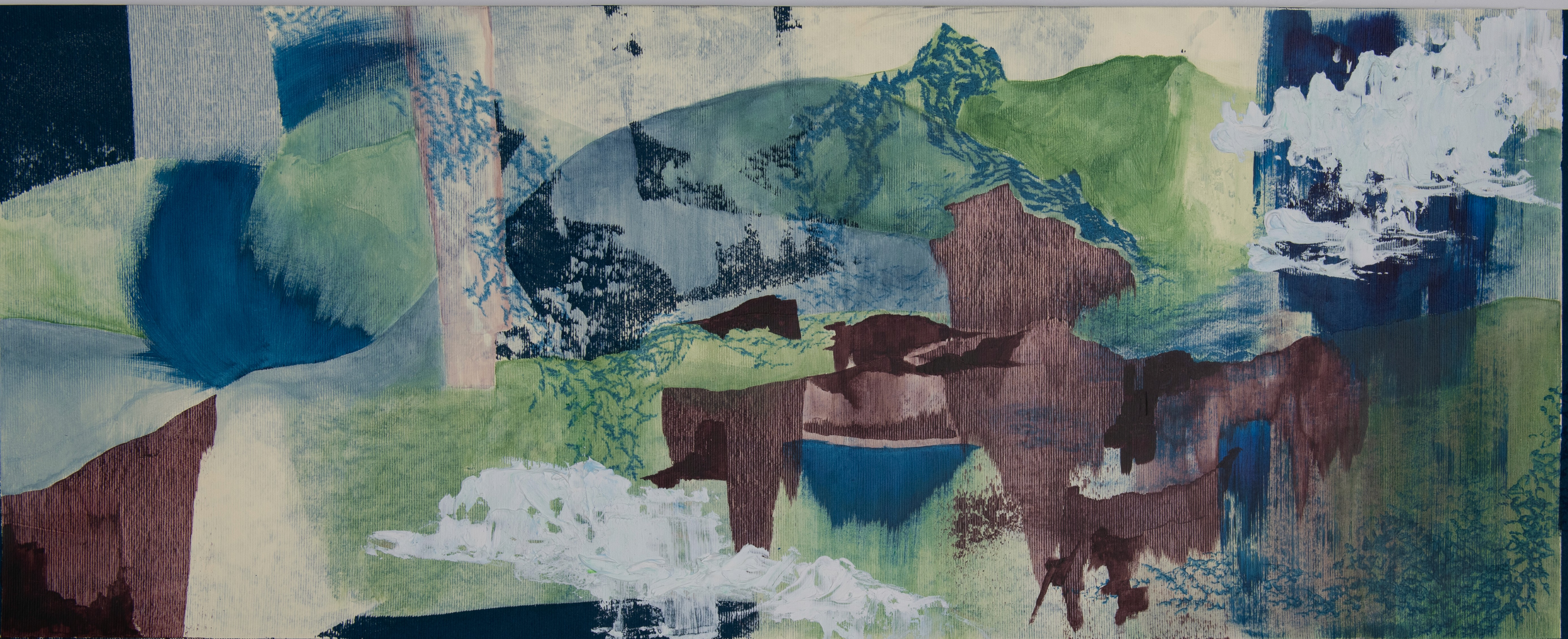
Yeah, I love cross-stitch. I mean, you know, every medium has a different history, and I think I was really intrigued by quilting and needlepoint and cross-stitching in school because there's such a female legacy of in that in my family, and I feel like there's been a shift in the art world too, in our lifetime, from thinking about handwork as craft and domestic work to understanding and appreciating it as a fine art form, and it was cool to be making quilts as I was grasping and studying that. So it's definitely something I enjoy, but painting and drawing are where the focus is these days.
E: You spoke a lot about what inspires you in terms of the environment and people that you interact with, but how much of your own identity would you say comes out in your own work?
I think it's always coming through my hands since they’re my tools. When I was younger, I was making work to process my identity more, to process experiences that I had, gender and sexuality, family trauma and histories, and migrations from different places. I'm half-Indian, but all my family in India has stayed there, so I'm straddling these two countries, and there was a lot to digest. It's not that I'm not still digesting those things, but I feel like I worked that out enough that it doesn't have to be what my art is about anymore, and I'm more interested in communal experiences as opposed to internal – I'm not freaked out about my own stuff in the same way anymore. So, there are parts of me coming through, but in a different way.
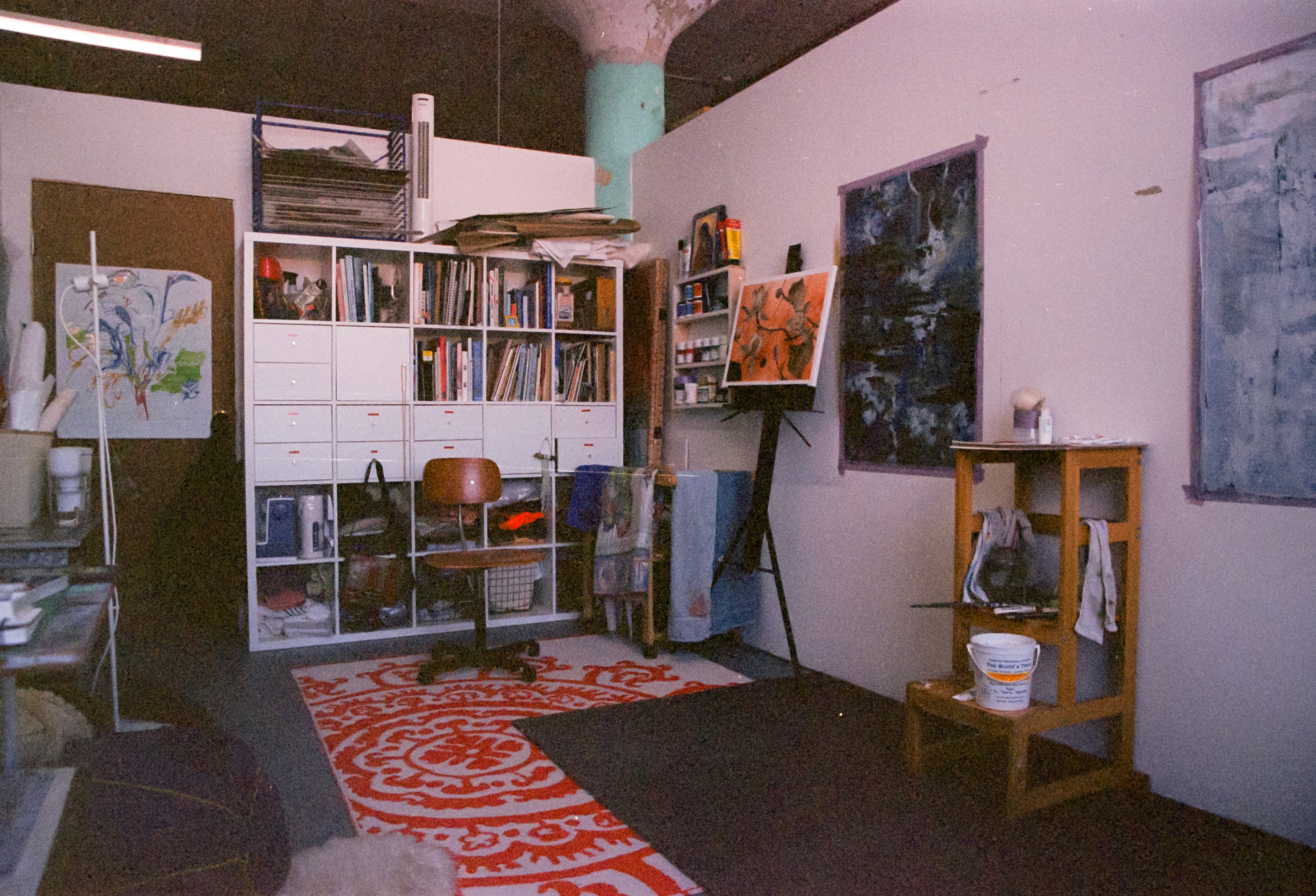
E: Yeah, I like that answer, honestly. I feel like not everything has to be super deep.
Well, and that's not to say that it's all worked through by any means. I think I might just be working through it in other areas of my life, too, with people and conversations and my journal, with mentors. I think my work is more interested in nature and concepts of nature, and it’s also much less literal – I’m trying to figure out how to make something that can somehow communicate something about humans and nature, which includes me inherently, but that’s not the point so much. I'm experiencing it as much as you, and exploring that, so that's what's coming through. I'm sharing my experience with all these questions as I work, but it's not so figurative or personal anymore.
That map behind that sari fabric – those are all geologic mountain-range maps, and they are all the mountain ranges my family is from. So even then, as I was slowly getting more abstract, it was still a family tree project in a way. And this work isn't that anymore, which is interesting. But this recent one that looks kind of like an aquatic landscape, I feel like, a little bit underwater or something, it's definitely influenced by the places I'm from. My mom, my sister, and my grandparents are in Hawaii, and that's what I started thinking about with this one. The volcano is always erupting and it’s insanely powerful, and it’s all rising out of the ocean. I'm thinking about mountains all the time these days, and those silhouettes are burned into my mind, my memory.
There are mountains everywhere, guys. Underwater too. They're great. There are mountains in Ohio, probably. I definitely didn't see them, but I've been told it's not flat everywhere there.
C: Who said that? Who said it's flat everywhere? Can we source them? Can we cite this?
I heard once you go south there are hills and the land rises up, but where I was you never woulda known.
STATE OF THE WORLD?
Well, the closest thing is this conversation I just had with my teacher, Charlie. We were talking about how we were feeling with the state of the world and I was describing my general sense of anxiety and dread and chaos and how that was kind of seeping into how I was working throughout the days.
And I do have this sense often – I don't know if it's coming from New York culture, or if it's coming from me – that I need to be working all the time, need to be productive and grinding and getting after it every day in a way that's not always true or helpful. But definitely when I've been feeling down recently, buried in the news, I've been trying to think about slowing down and thinking about life as a sacred, beautiful thing, in resistance to this rat-race feeling, to the chaos and the tragedy.
It felt like, "Okay, this can be a daily act of resistance in the face of an administration that is really not treating life as sacred." And I was talking to Charlie about it, and he was like, "That's true, but if you're focusing on life as a beautiful, sacred, precious thing as an act of resistance… you have to be ready for the fact that life is also super fragile and easily destroyed, you have to hold both at the same time." And I think he’s right. It makes me think about Shiva, and that destruction is an inevitable part of creation, that things degrade and decay and die for life to keep on going. And I think that's as political as I'll get, if that's even political. But being a super makes me think about death a lot, too, to go in a totally different direction.
E: What do you mean by that?
I get to watch a lot of life go by.
E: But were you like to Charlie, like, "I hear you, Charlie, but I don't hear you, like I'm not trying to hear that right now?"
No, no, pretty much most things Charlie says, I think "Yeah, you're right." He knows what he's talking about.
C: What are Charlie's qualifications?
He's a wise man.
E: Because I'd be like, "Man, I just said this beautiful thing, and now you said that the opposite of this thing is also true."
C: He wasn't discounting it. He was just saying, "You've got to be careful, you've got to hold both those things at the same time." Because that's true, but you have to be okay with the fact that life isn't untouchable; if you put it on a pedestal, you have to recognize that it's going to fall off. You could crash way harder if you only think life is great and that shit never goes wrong. And then when something goes wrong, you're like, "Hold on, this is not supposed to happen." Yeah, I hear it's good to see both perspectives.
E: I might have to hear Charlie out.
C: Yeah, see, Charlie was right.
E: Hey, shout out to Charlie.
C: What's his full government?
Charlie Burnham.
C: Shout out to Charlie Burnham, man.
He's an incredible musician, he plays sets all the time in the city, go check him out everybody.
MORTALITY OF PETS?
Oh yeah, more than that I’ve had to deal with a lot of pest control and extermination the past year and that’s been surprisingly intense.
C: Oh, mortality of pets?
Haha no not pets, pests. There was a dead mouse yesterday that I had to deal with, and… this might really be veering off course guys.
E: You're talking about a dead mouse?
C: But now I kind of want to hear now.
Well, what can I say… I think it ties back into my interest in people’s relationship with nature. In the city I think there’s a bit of an assumption that people can insulate themselves from things, can control their space. It’s such a human-centric place. And so it's interesting for me to see people try to do that, and inevitably, for other life will crawl back in, whether it's a mouse or whatever else. And it's always wild to me to see how much that can freak people out, when they can't control their environment, myself included. Or also the idea that the ideal home doesn't have anything else in it, is so sterile, besides a human and your chosen pet, or whatever else. And in a place like New York City, it’s true our wildlife is definitely dirty and grimy… true. This is not to say I want mice and all those other creatures living with me in my apartment, so I get it, but I think it's an interesting instinct that it brings up in people – that power of “I'm going to exterminate this other animal because it's in my space and I don't like it.” And I have to do that a lot, and it can be hard. There are so many creatures, even if it's moths, oof there were so many moths I had to kill at one point. It was intense.
Anyways, it was a weird thing to grapple with – just because we're people, we have the power to do that. We can decide, oh, I don't like this animal, I'm going to just kill all of them, because I don't want them in my house. And it's true, I don't want the moths shredding the sweaters you know? Or there are flying squirrels in the attic, and that's crazy.
E: Really?
So many flying squirrels in the attic I had to deal with.
E: Do they exist here?
I never, never would have thought, but yeah. And then I have to get an exterminator, you know, instead of being like, oh, that's wild what? Flying squirrels? We can’t be having flying squirrels in the attic.
E: Well, I mean, to each their own
C: You act like you're going up there and chilling with them. They're just my bro right here.
E: I like kicking with squirrels.
Hey by all means. I just think it's interesting. It makes me think about how we act like we can control everything, and we want to, and sometimes we can. But there's other life around us all the time, and it's funny how uncomfortable it makes us sometimes.
E: Because you're deciding the fate of another living being.
Yeah exactly, and we're living together, all at the same time.
E: Imagine, like, if you just killed your roommate one day. When you put it like that, it's like, what are we even talking about?
C: But that mouse could have been there for generations.
It can come back to Charlie's point, too, there is that part, that destruction is part of the story. I think we inevitably leave a lot behind in our wake just by making our way along.
8BALL ZINE FAIR
C: So, most recently, you did the 8 Ball Zine Fair. How was that experience? Because you said your goal was to be a commercial, a career artist, so, how was it selling your work, talking about your work, really filling in those shoes of being a career artist?
Oh it was such a fun time. I did it with my friend Ben Burton, who is the real Zine maker. When I saw that 8 Ball posted I thought, "Oh, Ben and I could totally do this, we should try." And Ben had just tabled at MoMA at PS1 for the art book fair, so I knew Ben knew the ropes, and so I asked if they'd be willing to work with me on it. We came up with a zine together going off a Rumi poem about pomegranates I’d been thinking about, and then Ben had a bunch of their own materials, and I made a lot of cards, a little stationary set, and some larger watercolor/pen/pencil works. And it was definitely a good learning experience, I mean, of what people in that context are looking for, how to present the work, how to set up the table, how to fuel yourself to sit at the table all day, and be able to show up for people. And it was such a cool, nice community. It was so fun to meet the people behind 8 Ball. It was a big day. And I feel like if I did it again, I'd do it differently, which is good, you know?
C: What would you do differently?
I think some of the work that I made, I would cut down on, and some I’d make more of, and definitely have prints. Printmaking is next.
E: And let’s talk about reception, right? It’s equally as important to actually enjoy the act of creation itself. Because sometimes people don't like your work . It's like a double-edged sword. Even if you don't like it, I enjoyed making it. And now it's out there.
Definitely, I mean, the interesting thing was at the fair, I invited a lot of different people. And a lot of people who ended up buying things were friends, like you! That support was super meaningful. But then it also made it really special when somebody I didn't know wanted to buy something.
E: Exactly.
And that happened enough for me to feel good about the day. And a lot of it was just sitting there, talking to people, it didn’t matter if they were buying. It was still really nice to talk to people as they came by and hear how they knew about 8 Ball. Or just talk about my work, and chat a bit.
E: Yeah. You got to experience what it means to be a part of and partake in a community.
WORKING IN ART INSTITUTIONS
C: I was looking through your website and you had listed some art institutions you worked at. How is that being a creative artist and then also working within the art institutions? But you also do decorative painting. So how is it being – experiencing art through a corporate lens versus a creative lens?
Definitely. When you say institutions, you mean museums?
C: Museums and curatorial work.
Yeah, I feel like with a museum-type institution, it feels very different from a creative process because it was much more art history research. I worked in the Asian art department, specifically with a lot of very old works, which was amazing. So they were artworks, but there were also so many other layers. A lot of them were religious objects, so there was all this ritual, implied community use, and sensory elements — like liquids and oils and milks that could’ve been poured on them, or spices rubbed into them, and things like that.
So my study was more focused on their function and history than how they were made. I was focusing on questions of cultural property, repatriation, and how the museum could function as a repository of these works now that they aren’t being used as they were originally intended. I guess the overlap with an arts practice is thinking about the audience. I thought a lot about the visitor experience and how we could facilitate people connecting with the art. Working in a museum more broadly was amazing because I was around art all the time and got to work for such knowledgeable people, which was super inspiring. A big thanks to the Greenwoods at the Allen Memorial Art Museum.
Working in decorative painting is interesting because it's artisan work, which was new for me. The whole artist/patron relationship that’s existed for so long, that whole economy totally blew my mind when I first started. I'd never done work like that before or worked with such a vast inventory of materials. We work with precious metals and mother of pearl, and we're doing inlays, and we're making stuff for – what's interesting is we're making pieces for spaces that I don't engage with and that none of my community really does either, places that are quite exclusive or, you know, are private homes or VIP rooms, places that are for a specific audience.
So in a technical way it's introduced me to a ton of materials and approaches I never would have known otherwise, and we work at a scale I’d never worked at, sometimes making hundreds of square feet of material. The mentorship I’ve received there has been so meaningful. I think it's good practice in not getting attached, too, because you make something, and then you send it off, and you'll never see it again. You might spend months working on this wallpaper, and it's gorgeous, and then you send it off, and it's gone. Also, sometimes it's for stores where it's for a collection or a season, and you spend months making something that will be in the store for however long the season is, and then it might very well get thrown away, because there’s going to be a whole different color scheme or texture for the next season of clothing. It's a totally different creative experience.
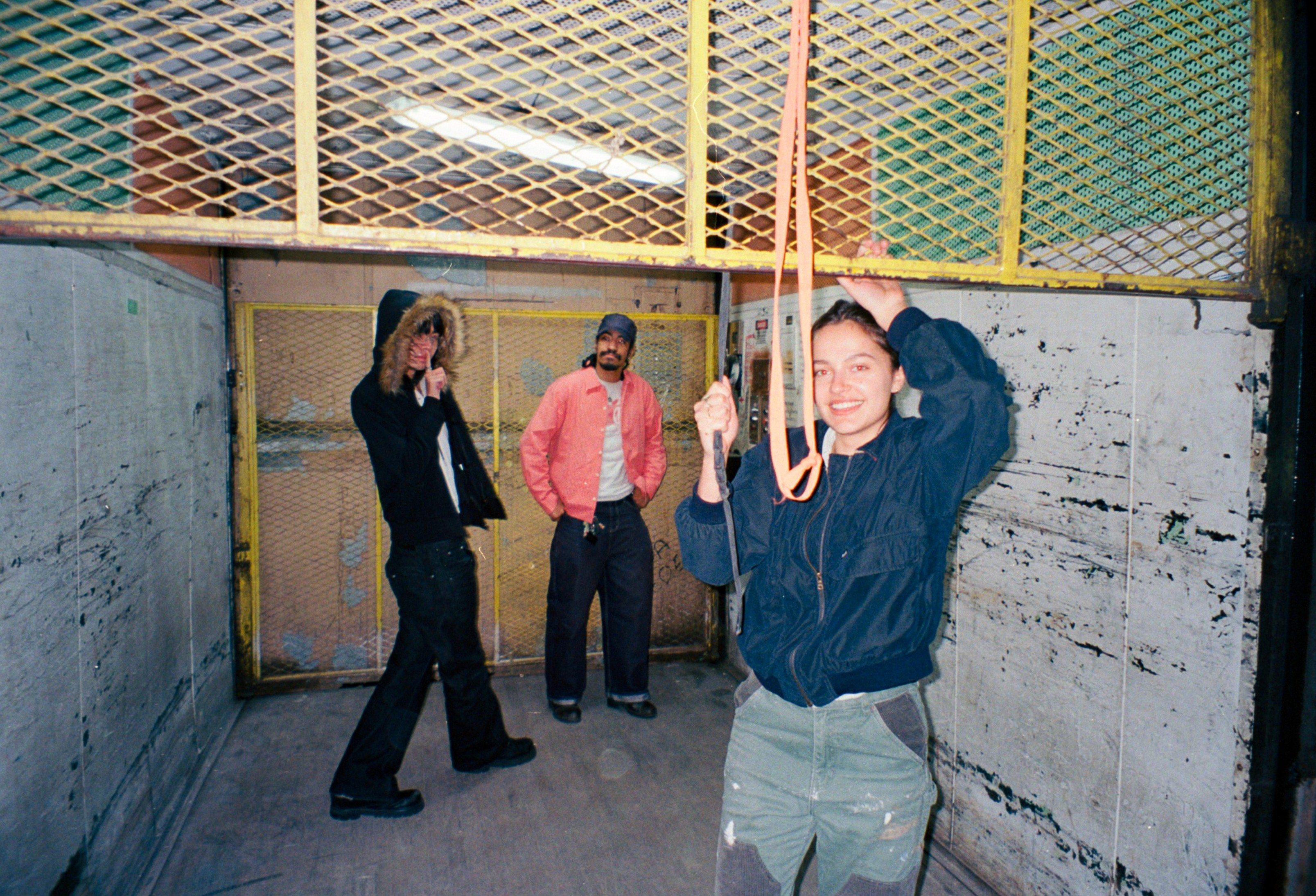
SQUIRREL
C: That does go back into the thing you were saying about destruction and creation, and it's a cycle. So you create all this artwork, and then, at least for the stores, you're going to throw it away later, but you have another chance to make something new and keep it going.
E: And the squirrels, too.
C: The flying ones. Not just the regular squirrels, the flying ones.
E: Eventually, you've got to get rid of the squirrels, but then new squirrels will appear.
You know the black squirrels in Stuy Town? Those were my favorite when I was little.
(Chris does like a wave motion)
E: What is that?
C: That's how you get squirrels to come over to you.
Really?
C: You make this wave motion.
E: I've never seen that.
C: I've done it before. With black squirrels, though. [laughter]
Specifically?
C: No, it works with all squirrels.
E: Seriously, this is why I think we should record these.
C: No, but that's actually true, though. The waving thing. That one's true. I've done it at Central Park. Multiple times.
E: Yeah. You're bullshitting.
C: I'm so deadass.
WHATS NEXT
C: What's next for you? You got any projects coming up? Any showcases? Or, like, or just in general, like, what's going on with life? Any big milestones coming up for your personal life, separate from being an artist? Are they intertwined?
What's next, I think, is more making and research. And printmaking! I've been doing some informational interviews, trying to talk with people who have made different lives in the arts and to absorb some of their wisdom. And what I'm really hoping to do is just have a lot more studio visits, get a lot more people in here, like you all, and get their feedback, and especially artists that have been out in the world for a bit – or kind of a mix, really everybody. I think it's great to show art to people who are not in the arts, too, the farther away the better sometimes, and see their reactions.
I just want to be engaging with people. I’ve been in talks with Pablo from Estudio Arriba Abajo about doing a residency with him this summer, and I’m waiting to hear back from another one upstate, so hopefully those pan out! But if not, I still want to do a self-guided one, maybe visit a friend in the summer, somewhere green, and go with the intention of making a project out of it.
But, yeah, more time here is the baseline. Right now I’m mostly freelancing aside from building maintenance, so I have time to be here. So I'm just going to be here as much as I can and practice, explore different things.
E: How would you describe your work in one word?
C: I thought you said we were stopping.
E: I want to bring it back for Tesia specifically.
One word.
C: Um, squirrel.
[laughter] I guess I'd say mountains. That's accurate for now.
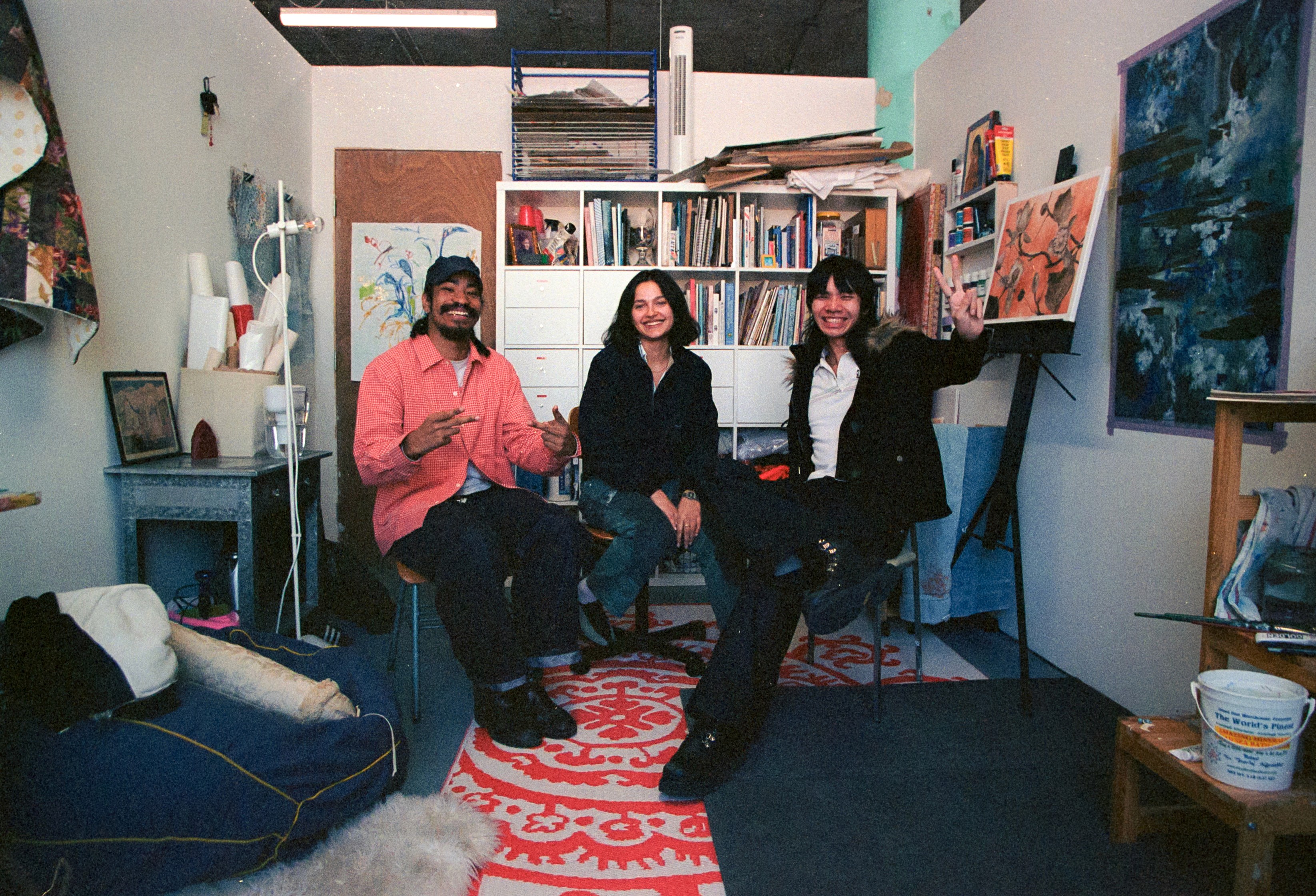
SHOUT OUT
C: Who do you want to shout out to?
I think some people have organically come up, but definitely my family – my mom, my sister, my grandparents, my family in India. My friends, a lot of us work in really different fields, and I feel so inspired by them. Kenneth. I think I mentioned a lot of my mentors; Charlie Burnham, Chie Sakakibara, Betsy Jimenez, Barbara Ellmann, Omid Shekari. Oh, also Dennis Oppenheim and Amy Plumb Oppenheim. I actually wrote this down so I wouldn't miss anybody.
E: Oh, you got notes.
C: Oh, I got notes. What else do you have written in there?
So much.
(Tesia shows us her extensive pages of notes)
C: Holy shit. [laughter]
E: You're the first person who took notes.
Yeah, wait, let me see if I missed anybody, though. But so many people, honestly, growing up in New York, neighbors and people that look out for me, chosen family.
ENDING REMARKS
C: Any signing off remarks? Do you have a nice quote?
A nice quote. Oh, man. I mean, I guess I'm happy to be part of your digital community garden. I liked that bit on your website.
E: Really? I wanted to drop that.
Well it’s totally up my alley.
E: Okay, let's keep it.
I mean, thank you, guys. What's funny is when we first met, and I saw you do these profiles, I was totally dreaming that you'd want to do that with me someday. I thought it was super cool.
E: We're leaving that in.
C: Yeah, I'm still recording. I'm still recording.
I mean, that’s the hope, right? To make things that people are curious about and want to ask about and look at. That's always what I'm hoping for. So this is super special.
E: Bless you, Tesia.
Aw I’m so glad you guys could come. Thank you.
C: And that's a wrap!
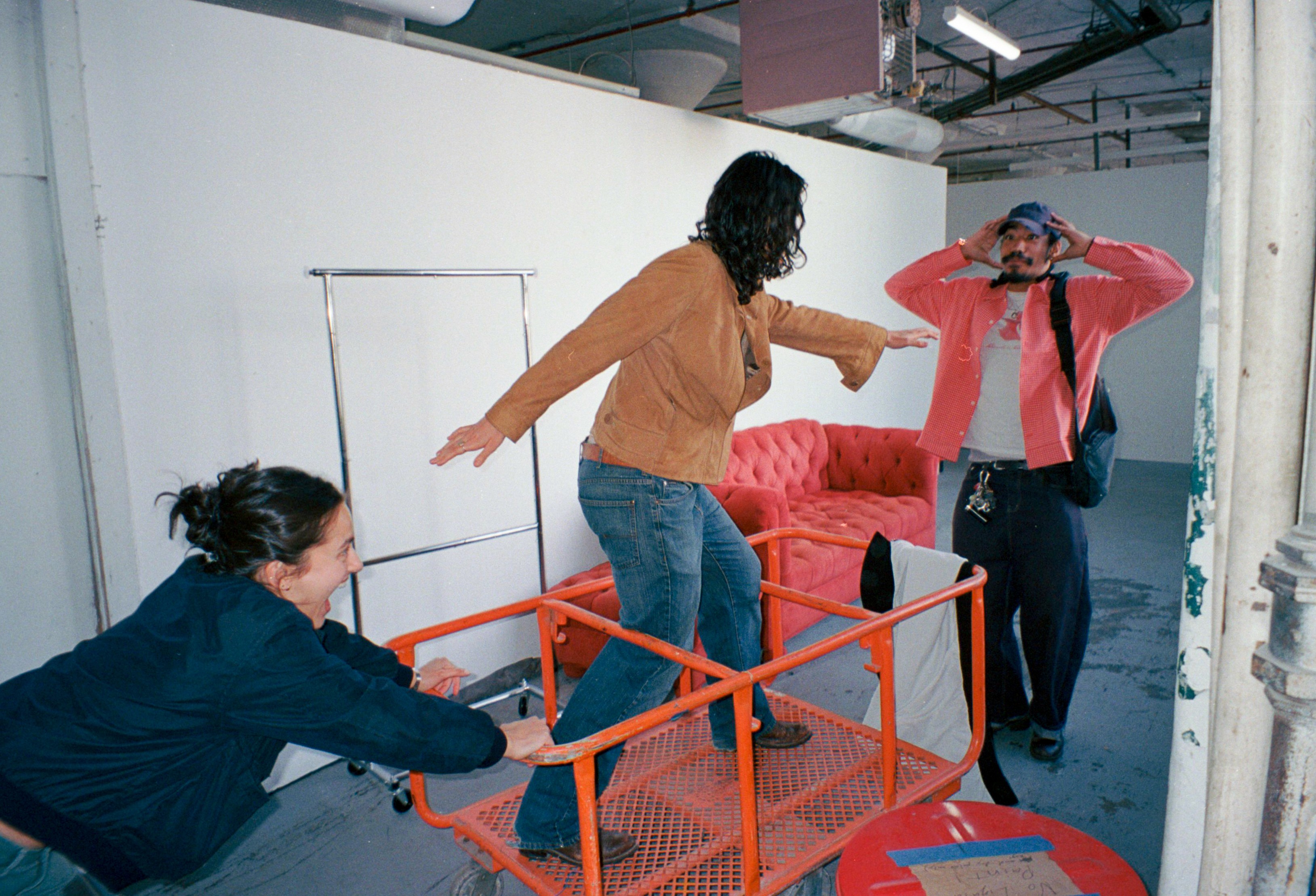
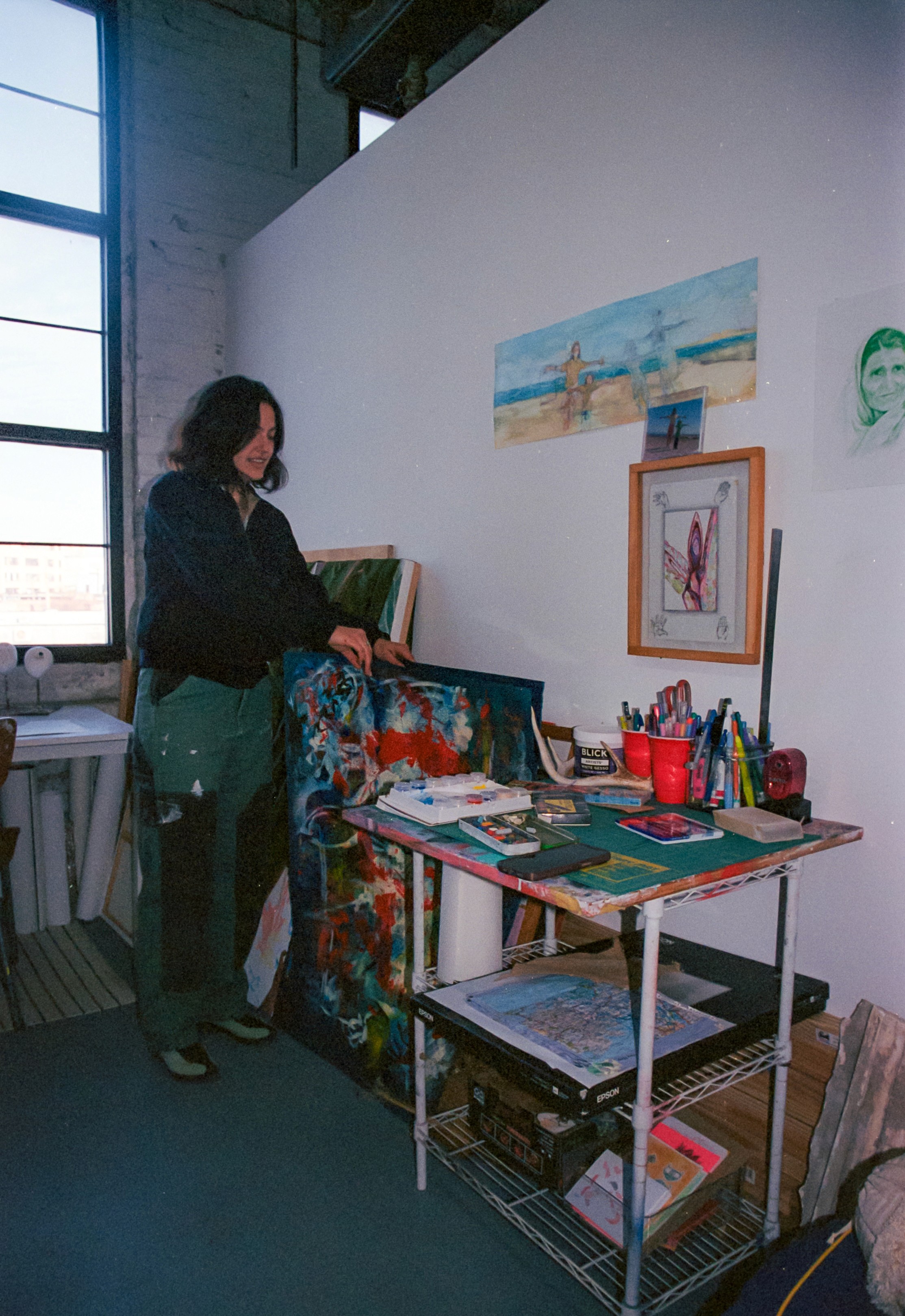
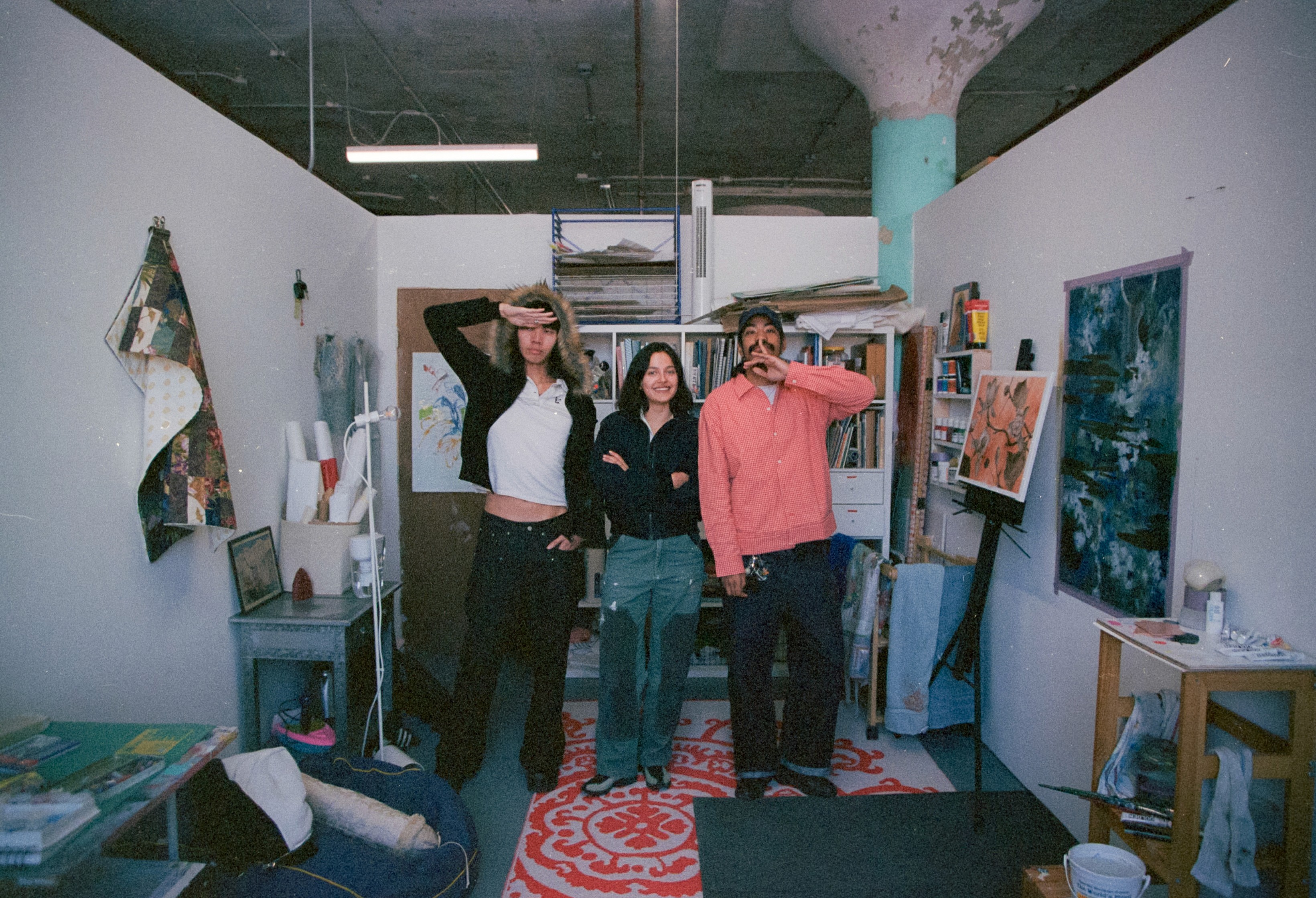
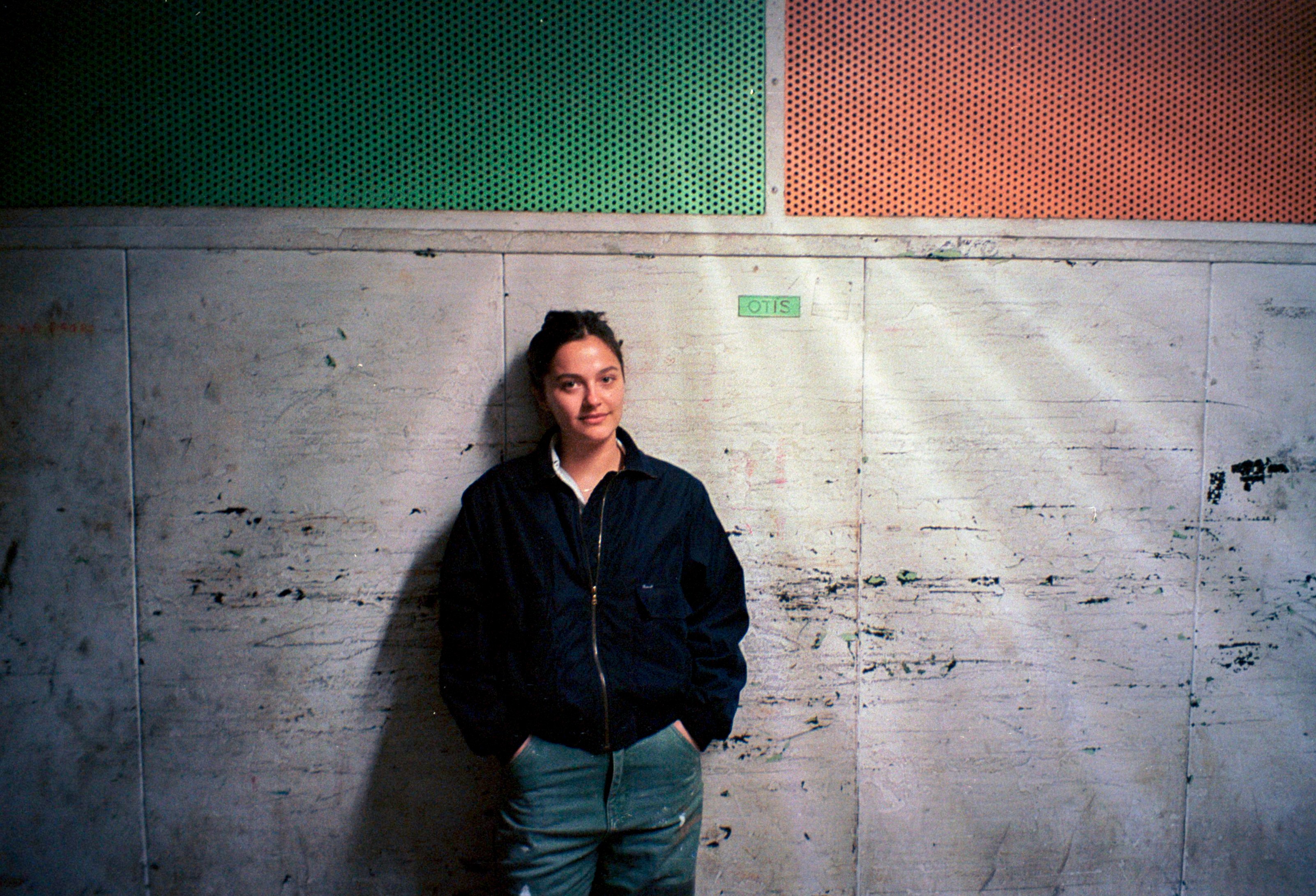
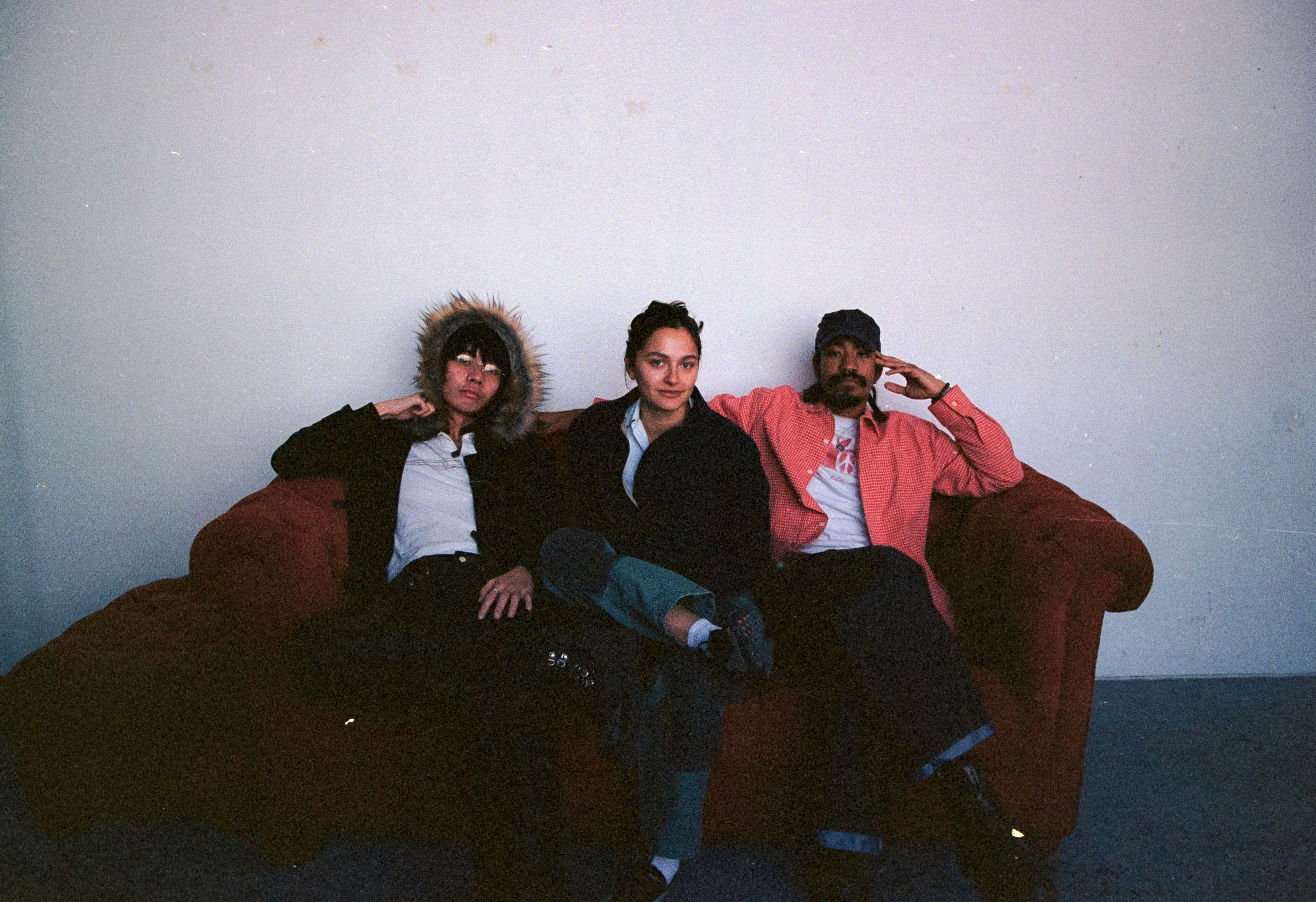
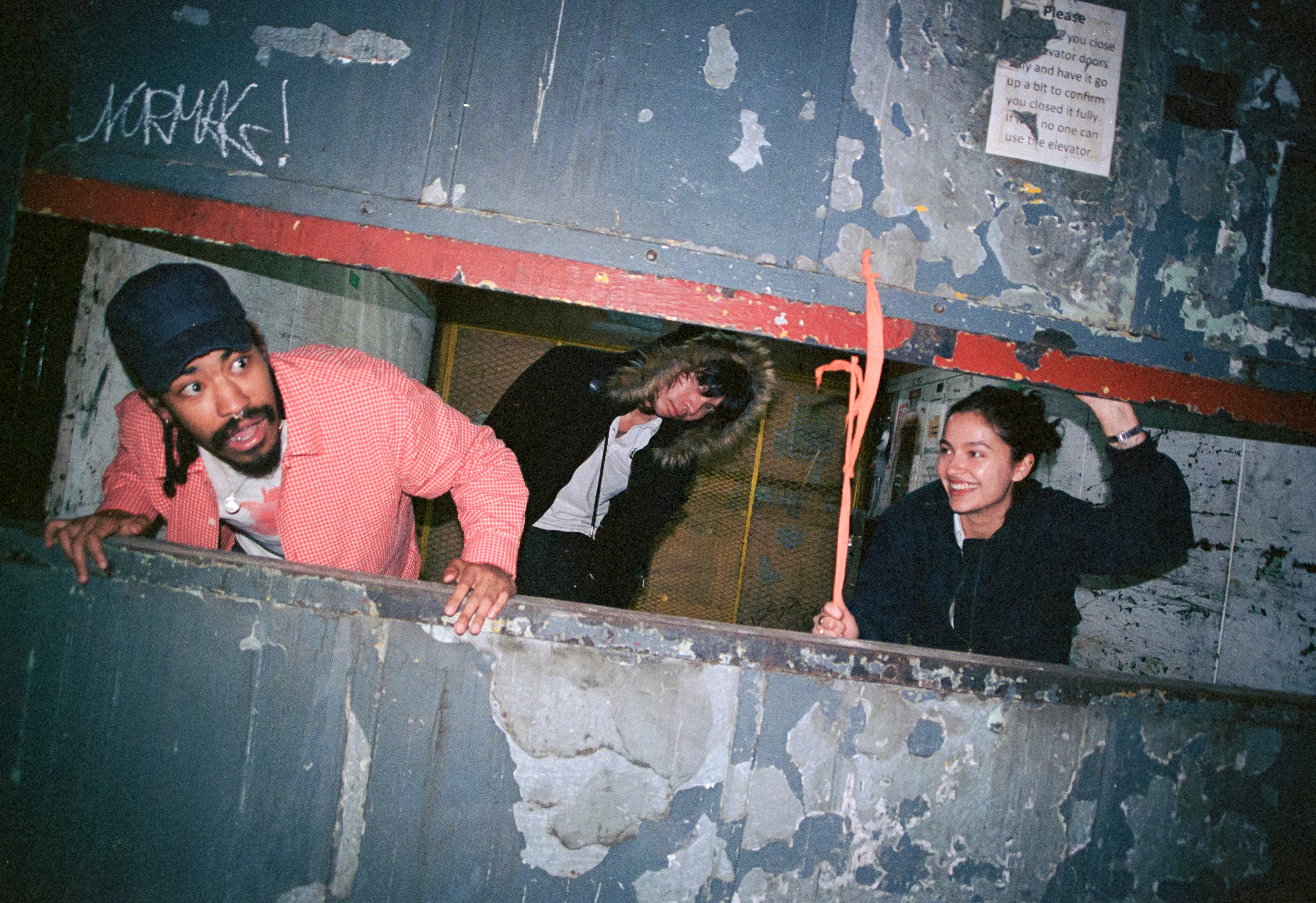
This Acedia Spotlight was recorded in front of a live studio audience (Gazelle), thank you so much Tesia for letting us into your wonderful studio and speaking to us about your process. The light floods the room in an ever so pleasant way! We are honored to have you be apart of our little community garden.
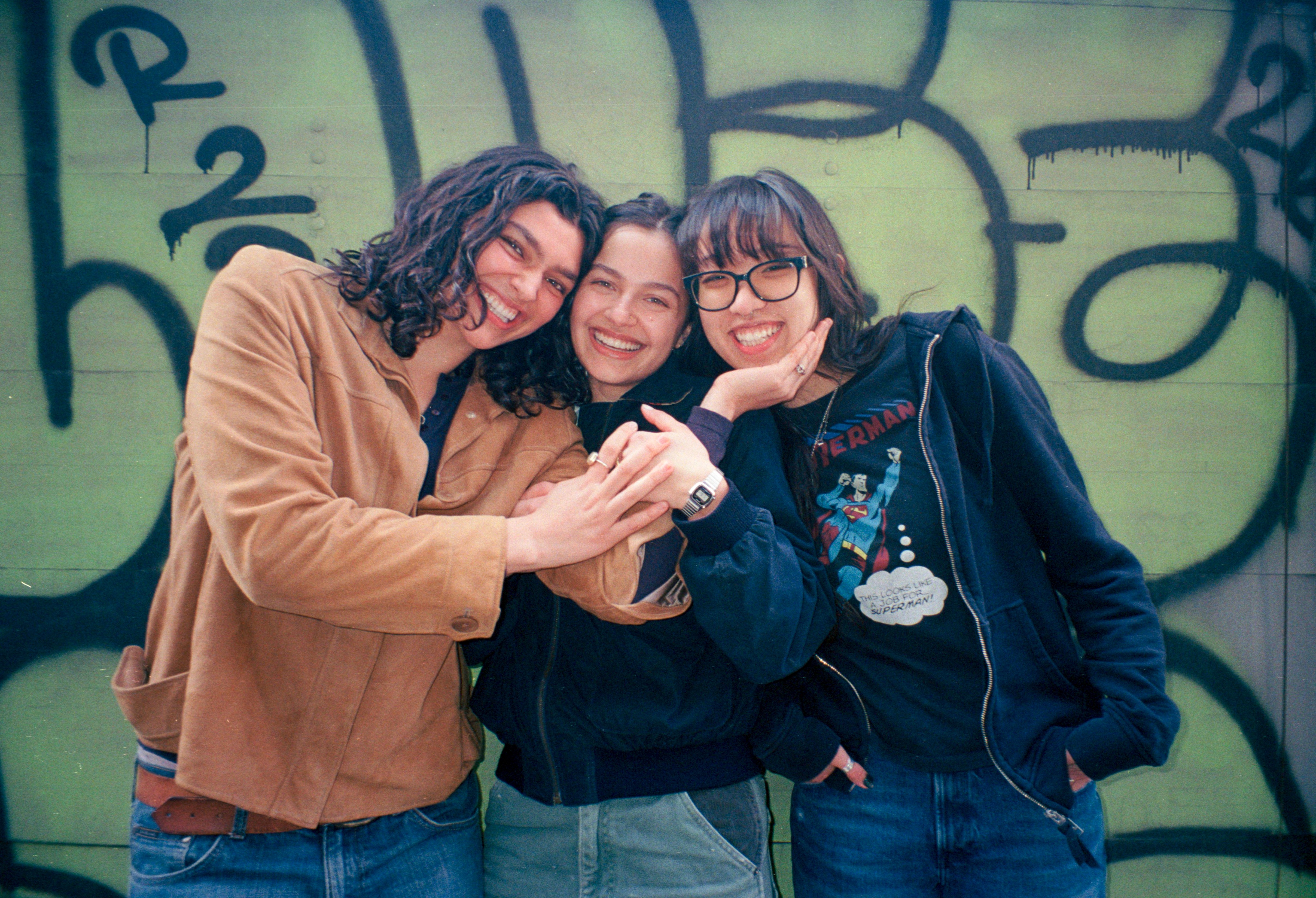
SUBJECT/BRAND
TESIA TEJASWINI SINGH-RAGEN @tesia.tejas
PHOTOGRAPHER
LAURA SONG @gh0stpimp
MODEL
TESIA TEJASWINI SINGH-RAGEN @tesia.tejas
EDITOR
E&C* @acediastudios
TEXT
E&C* @acediastudios